Engagement
This or that: a foggy morning run up Skyline Blvd or waiting for the sun to burn off first. Pick one and tell us why. #RideNationOR #PortlandRiders #PNWMoto
Giveaway & Countdown
The BikersWin $20,000 motorcycle giveaway is live, Portland. Every rider who talks to us about a crash gets entered, free. Call ELG at (503) 461-5256 to ask how. #RideNationOR #BikersWin #20kGiveaway
Local OR & Rides
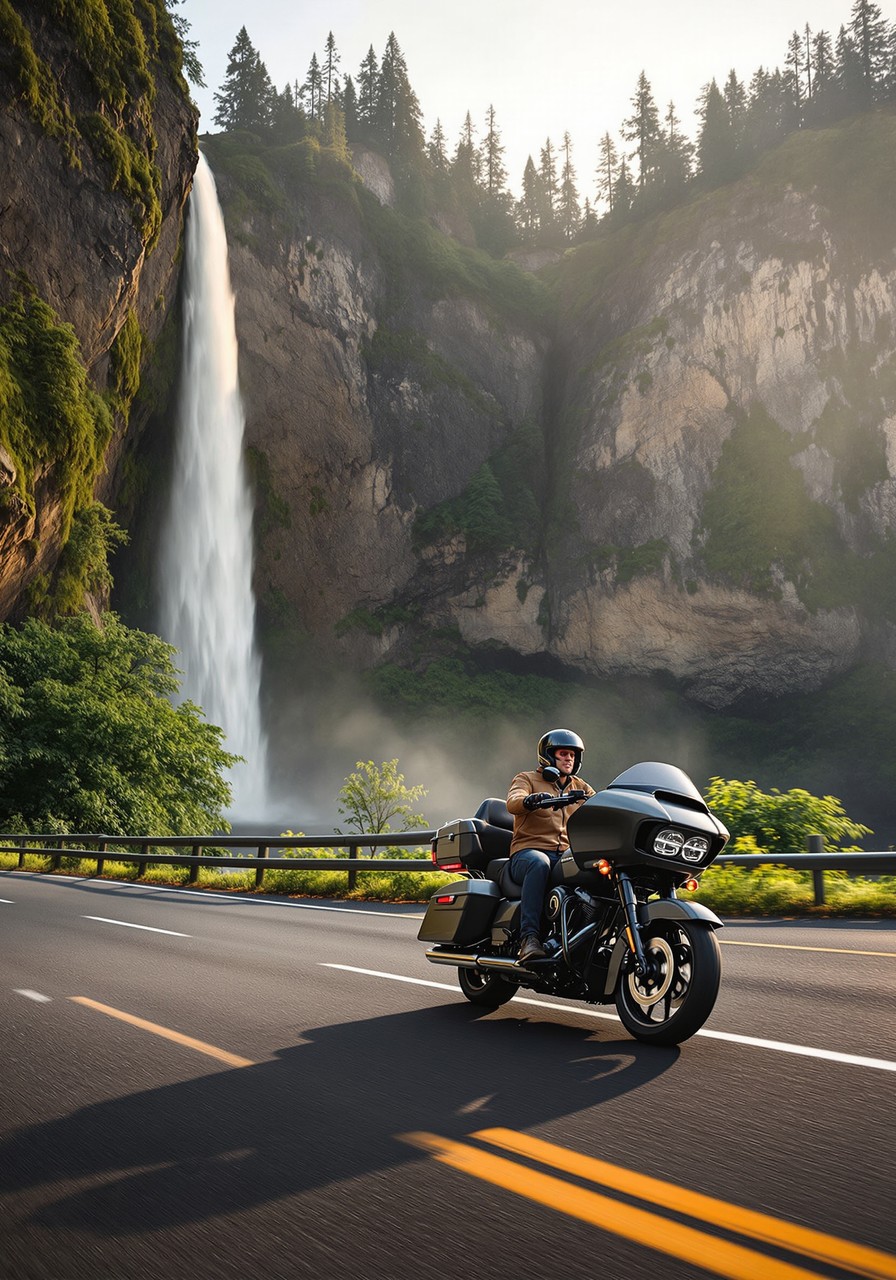
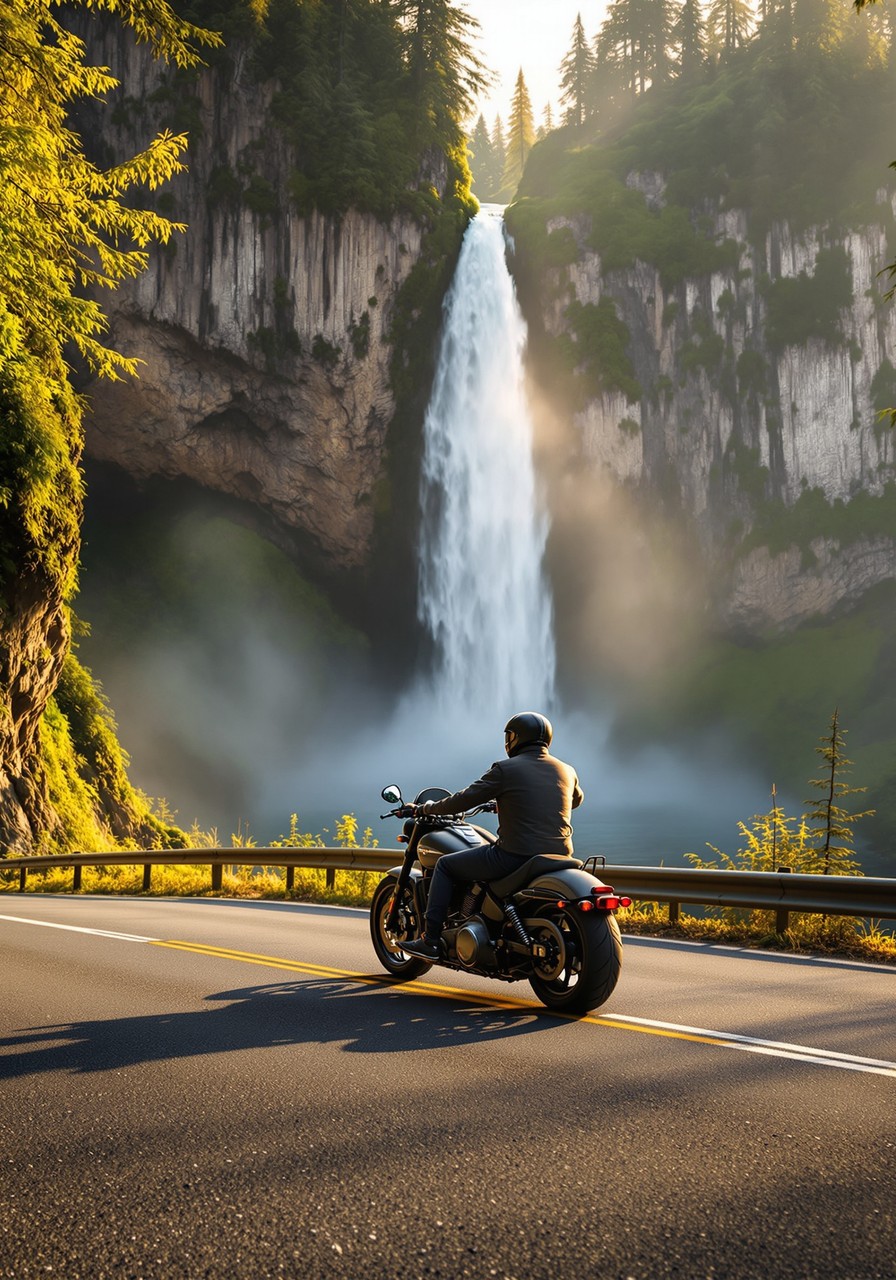
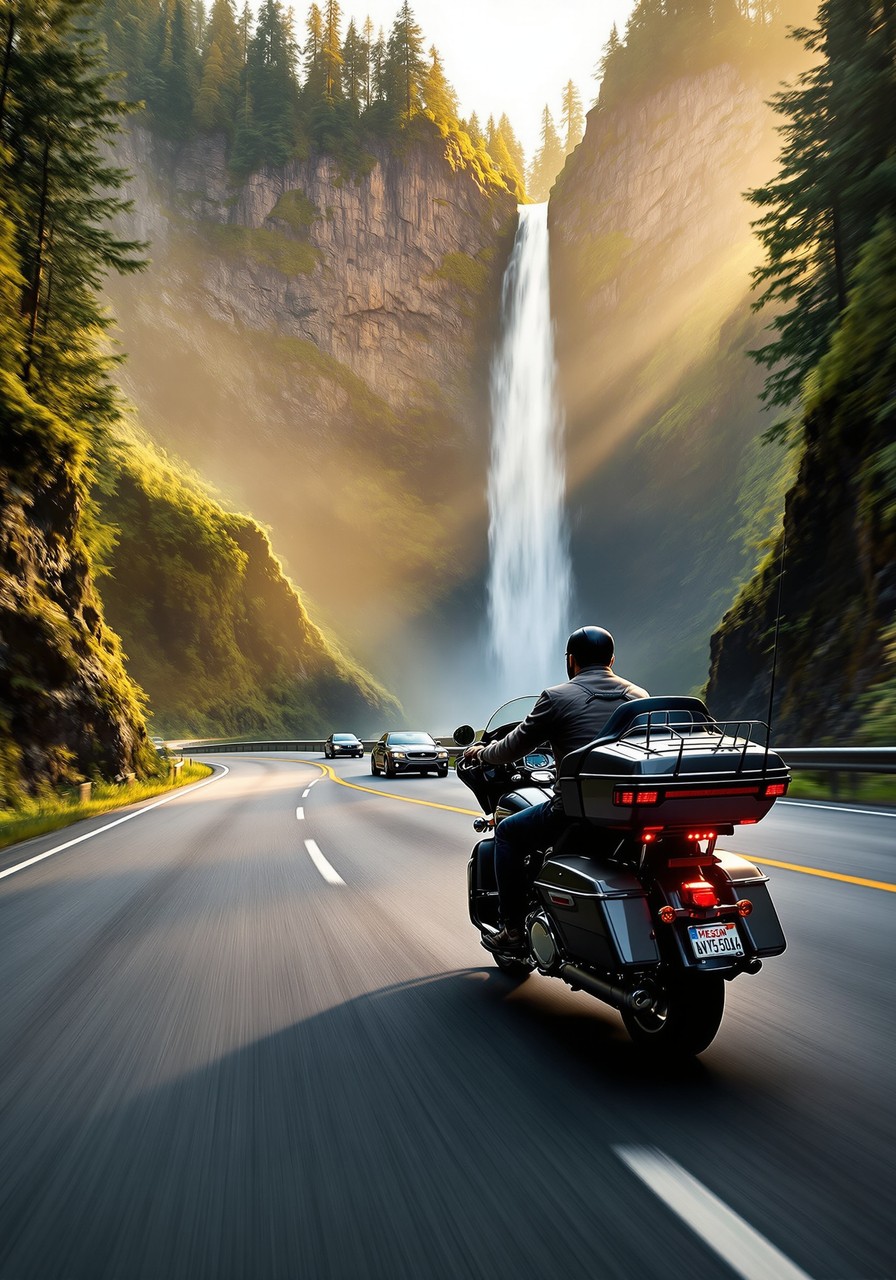
The Historic Columbia River Highway never gets old. Multnomah Falls on your left, old stone rail on your right, mist on the visor. Save it for a clear spring morning. #RideNationOR #ColumbiaGorge #PNWMoto
Gear & New Iron
Oregon law is simple: every rider and passenger wears a DOT helmet. Check for the DOT sticker on the back, not just a cool paint job. #RideNationOR #GearUp #ATGATT
Safety & OR Law
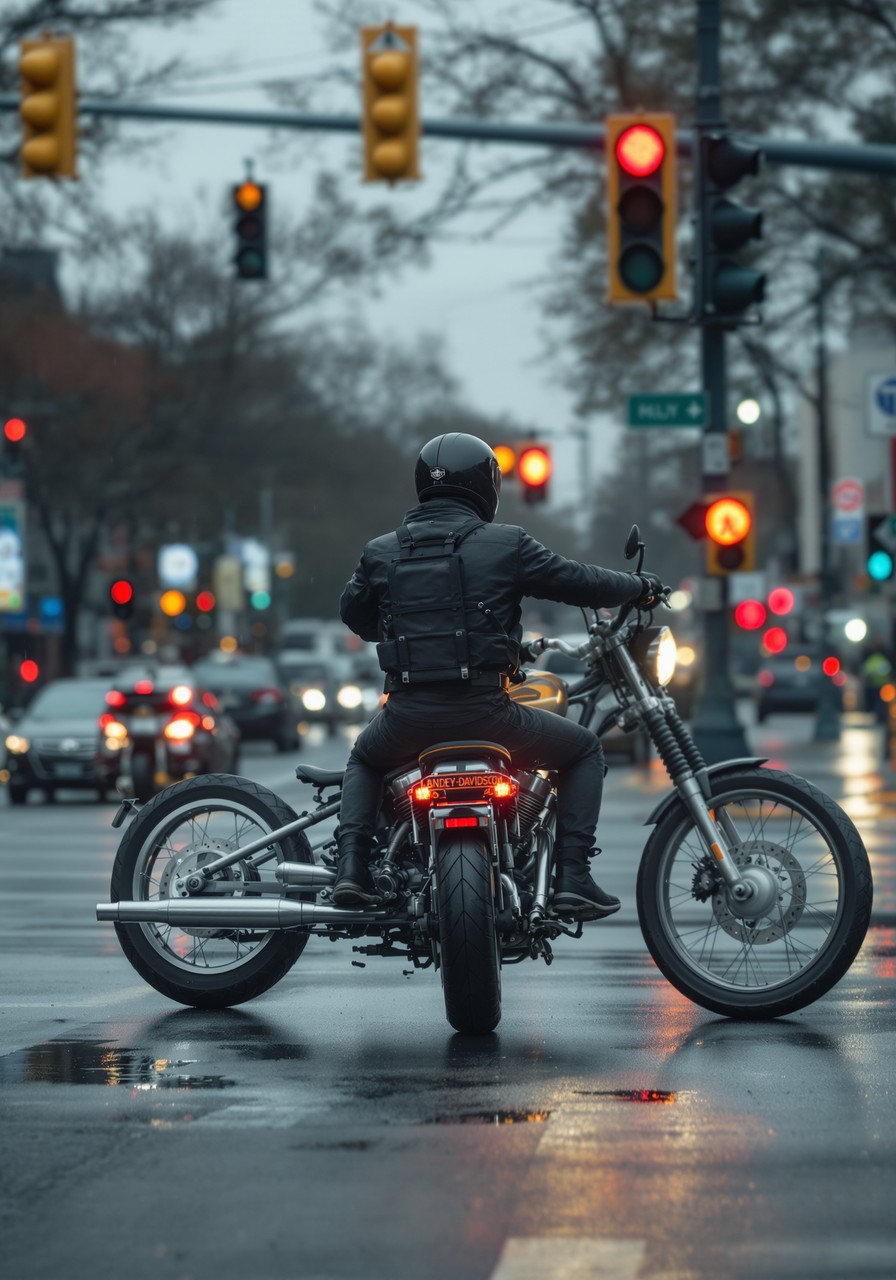
Oregon riders, here is the one most people miss: PIP does not follow the motorcycle here. Your health insurance and the at-fault driver's coverage carry your bills, and UM/UIM is your backstop. Not sure what you carry? Call ELG at (503) 461-5256. #RideNationOR #RiderRights #OregonRiders #KnowYourRights
Engagement
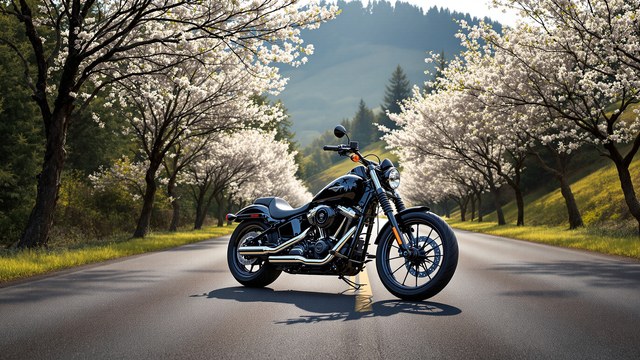
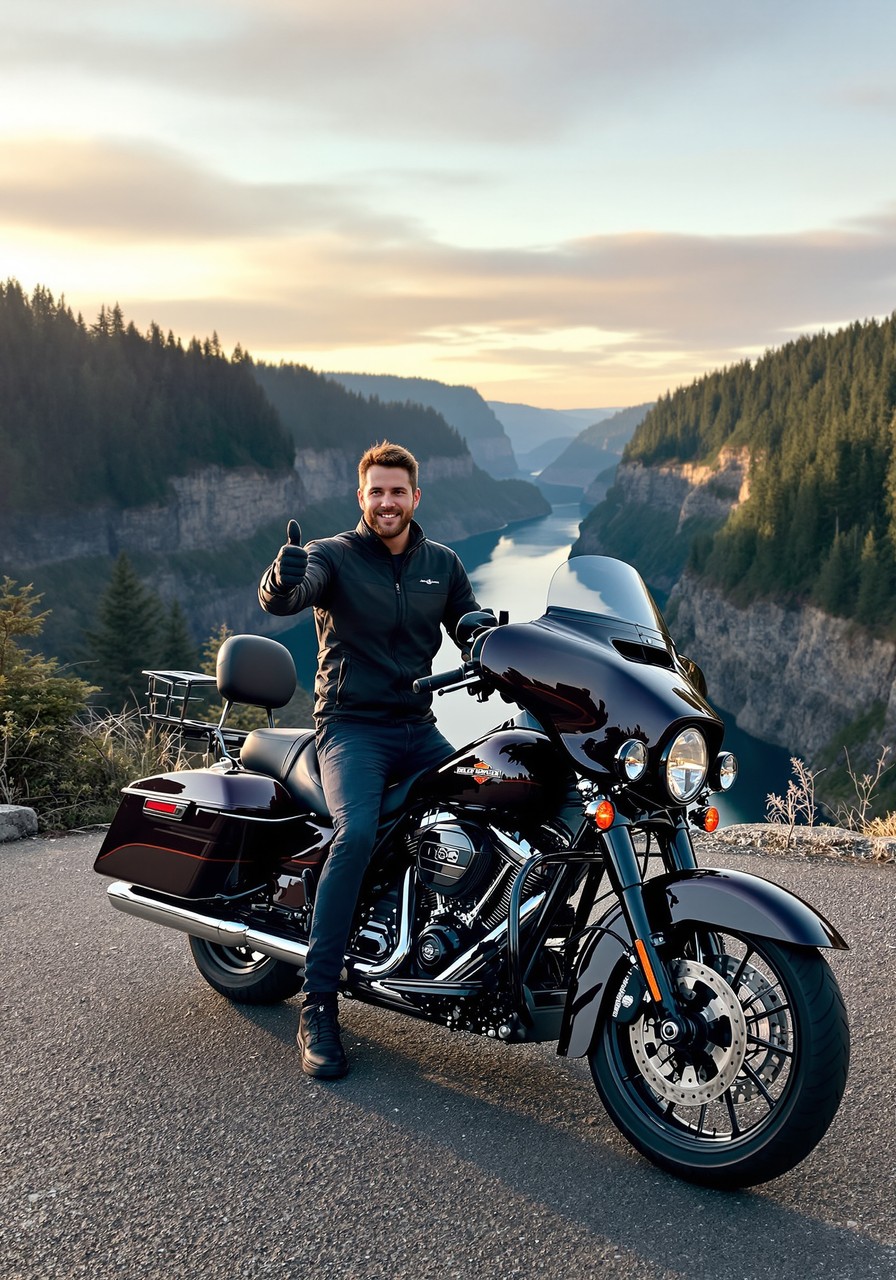
Caption this: your bike parked under the only patch of blue sky in the whole Willamette Valley. Best line wins bragging rights. #RideNationOR #OregonRiders #TwoWheels
Giveaway & Countdown
Been down on Oregon roads and never got it sorted? A free case review with ELG puts you in the running for $20,000. Call (503) 461-5256. #RideNationOR #MotorcycleGiveaway #OregonRiders
Local OR & Rides
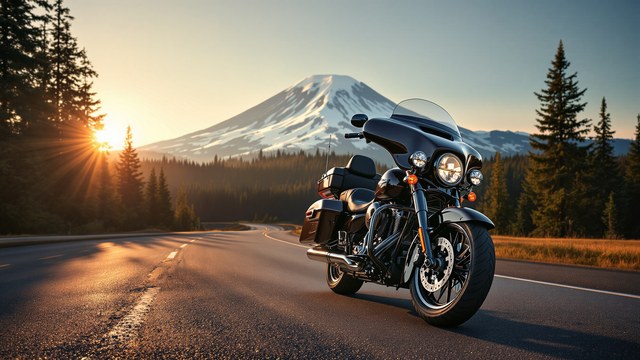
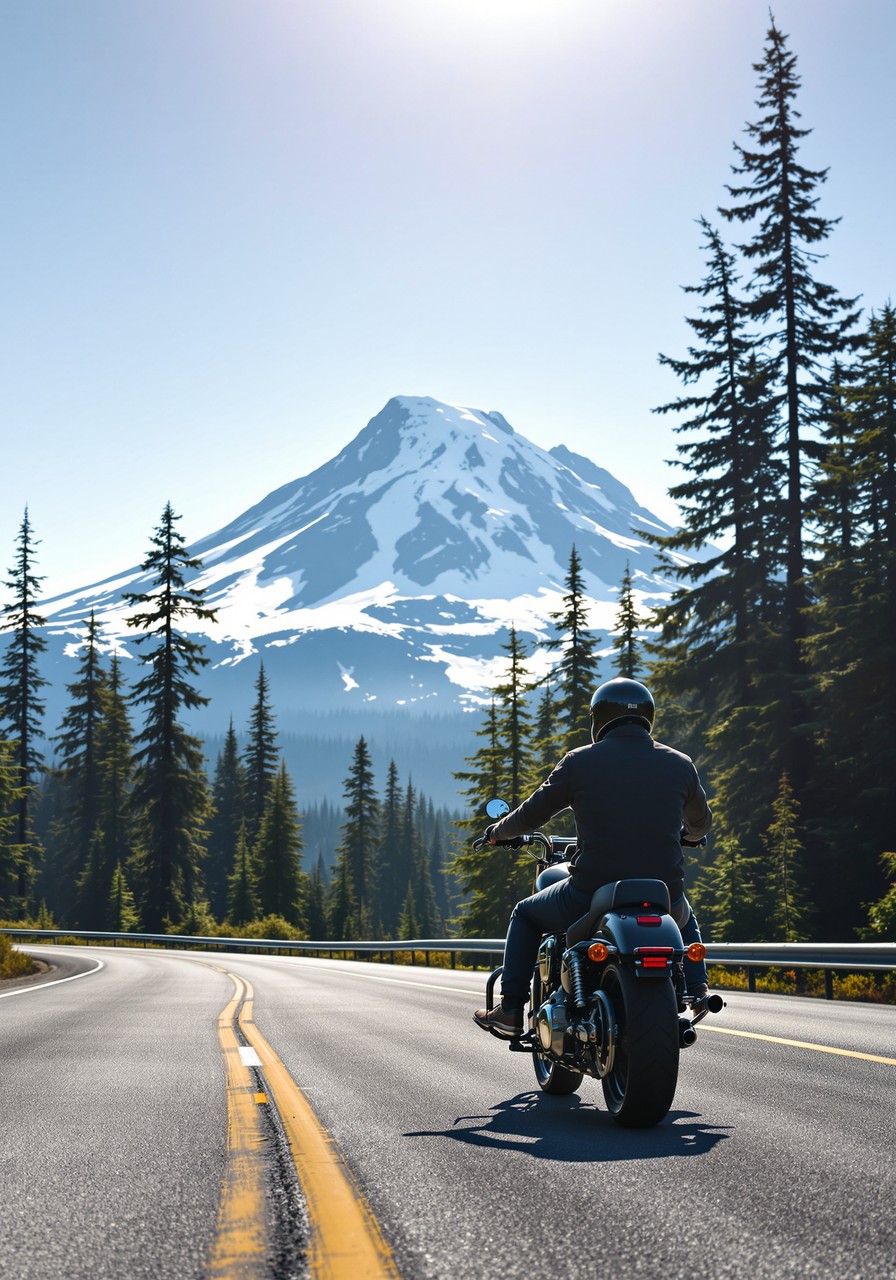
The Mount Hood Loop is the classic. US-26 up, OR-35 back down, snowmelt in the creeks and the mountain filling your mirrors. #RideNationOR #MountHood #MotorcycleRoads
Gear & New Iron
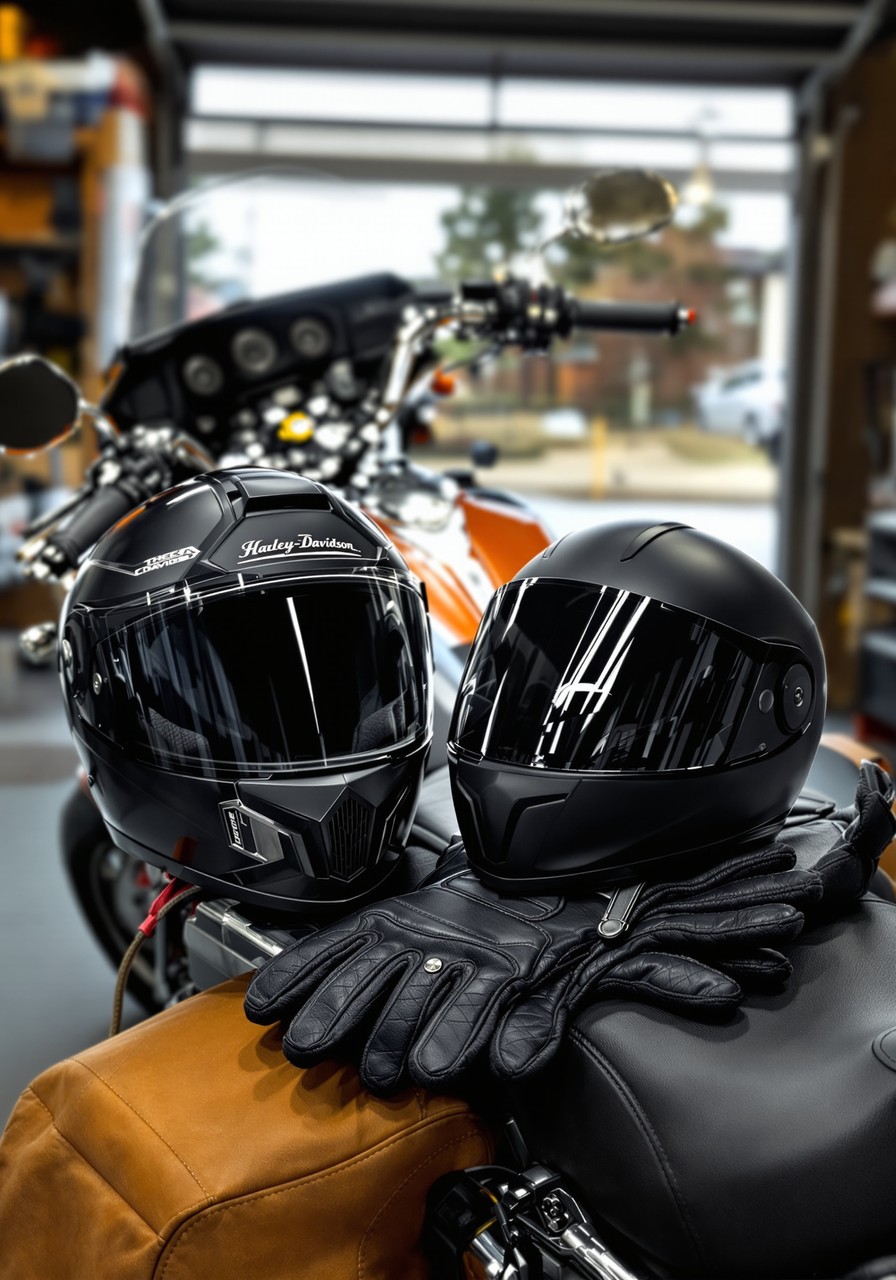
Dropped your lid in the garage? Replace it. The foam can crush on impact even when the shell looks fine, and you only get one head. #RideNationOR #GearUp #RiderTips
Safety & OR Law
Uninsured and hit-and-run drivers are everywhere in Portland traffic. Your UM/UIM coverage is what actually protects you when they run. Want us to read your policy for free? Call (503) 461-5256. #RideNationOR #RiderRights #PortlandRiders
Engagement
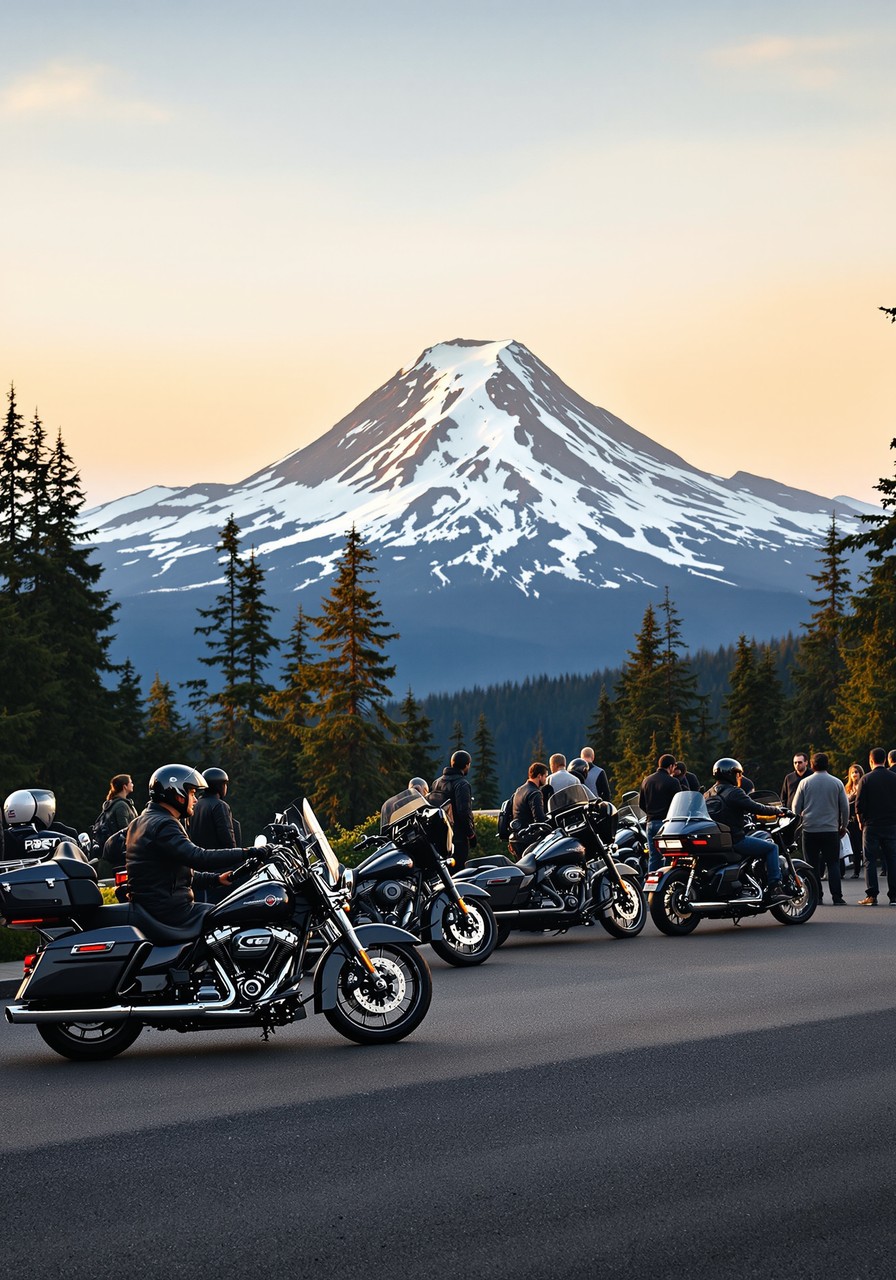
Poll: December garage nights are for (a) wrenching, (b) planning spring routes, (c) just staring at the bike. Drop your letter. #RideNationOR #PNWMoto #PortlandRiders
Giveaway & Countdown
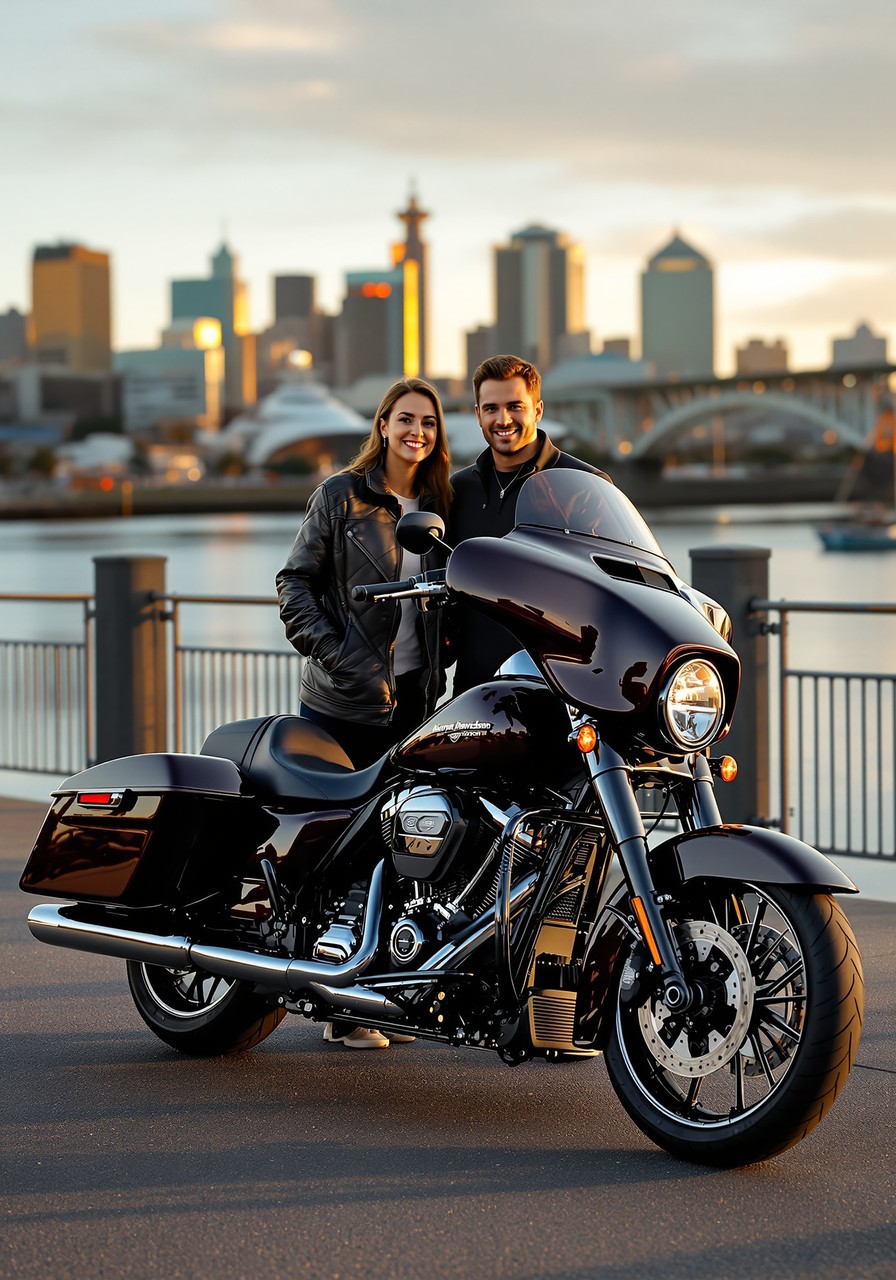
Wondering how to get in on the $20K? It is simple. Talk to us about your crash, free, and you are entered. Ring (503) 461-5256. #RideNationOR #BikersWin #20kGiveaway
Local OR & Rides
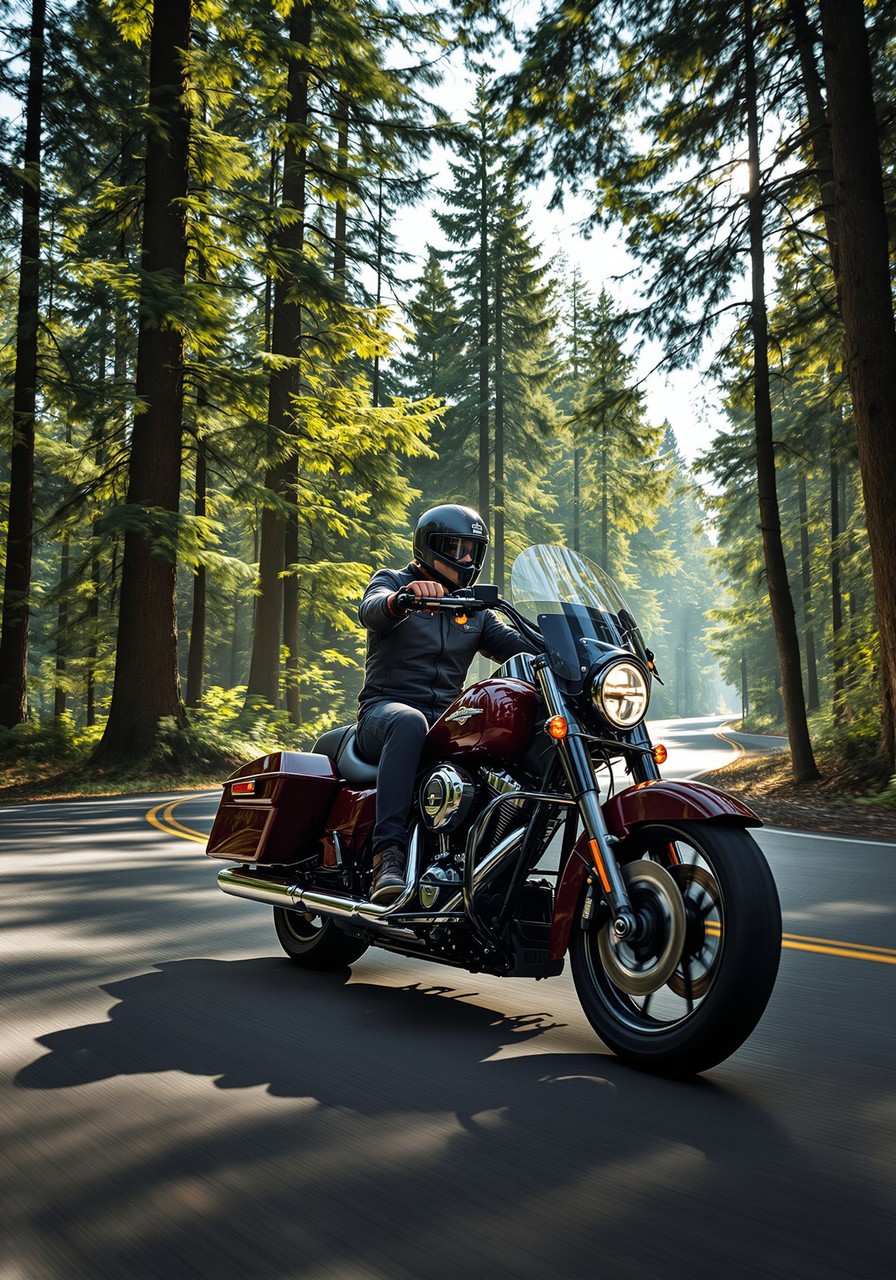
Skyline Blvd above the west hills once the fog burns off. Tight, tree-lined, quiet early on a Sunday. #RideNationOR #PortlandRiders #MotorcycleRoads
Gear & New Iron
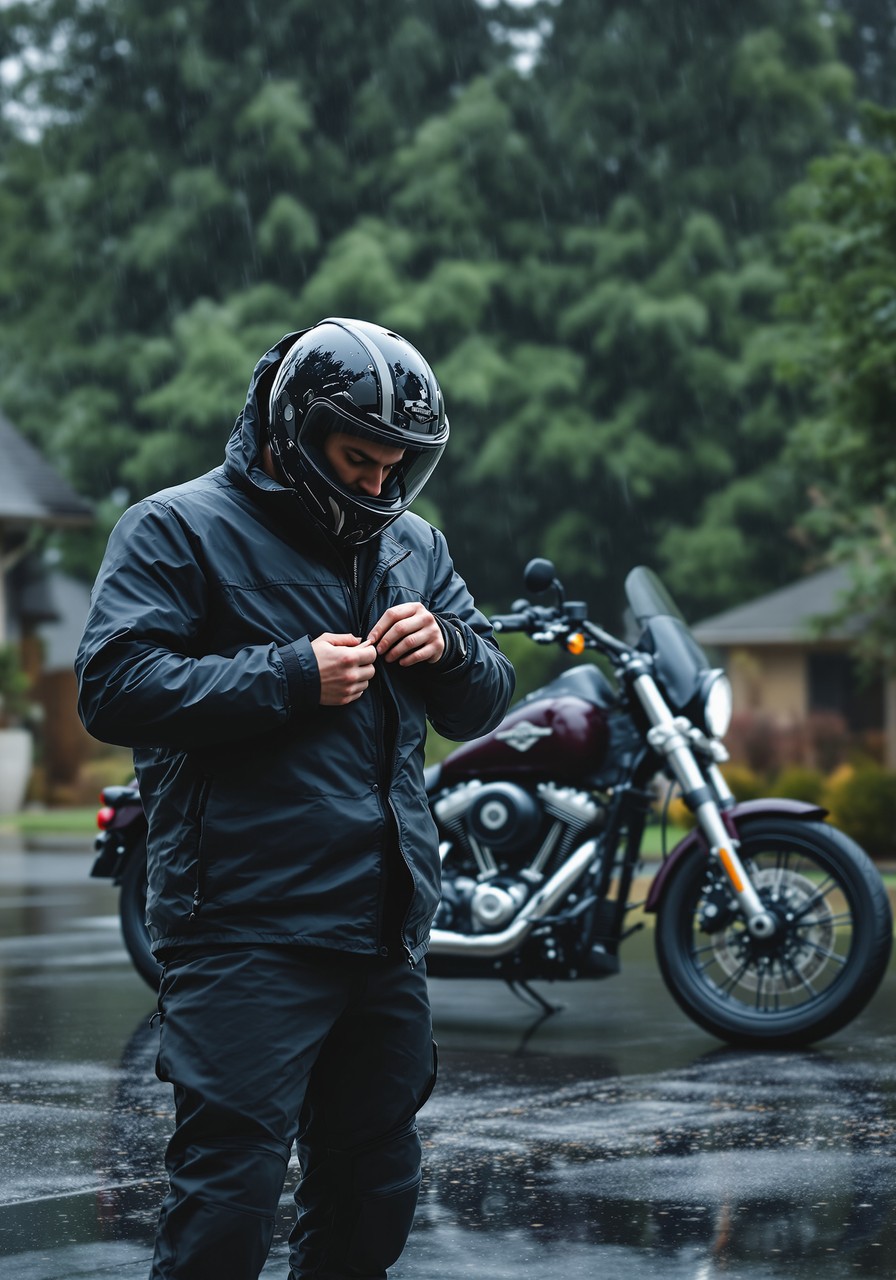
Helmets have a shelf life. Five years from the date on the strap is the rule of thumb, sooner if it took a hit. Check yours this week. #RideNationOR #GearUp #ATGATT
Safety & OR Law
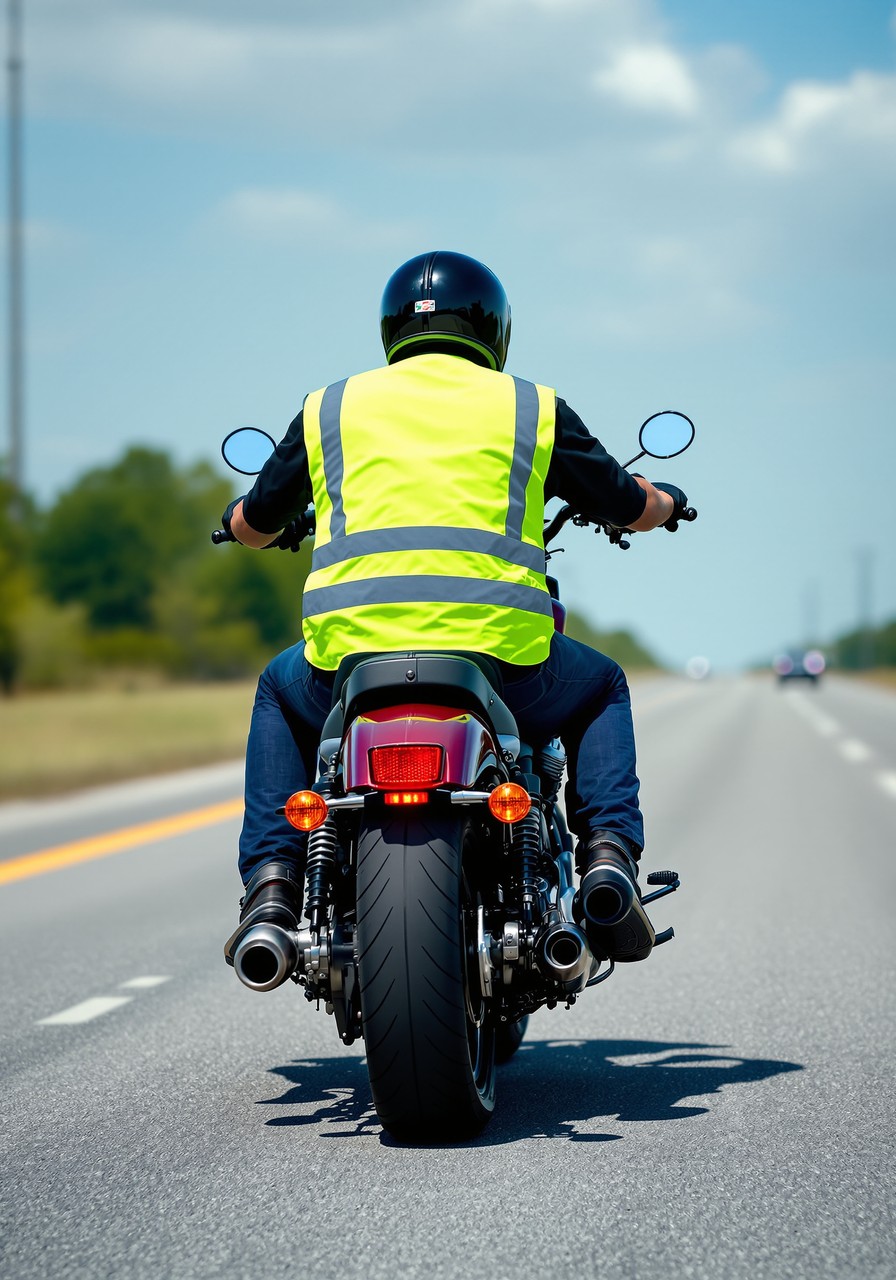
Oregon runs a 51 percent bar. If you are found more than half at fault, you recover nothing. How the crash gets documented decides that. Talk it through with ELG at (503) 461-5256. #RideNationOR #KnowYourRights #OregonRiders
Engagement
Tag your ride-or-die, the one who texts you the second the forecast shows a dry Saturday. #RideNationOR #RideOrDie #OregonRiders
Giveaway & Countdown
No purchase, no catch, just riders looking out for riders. A free chat about your wreck enters you in the BikersWin giveaway. Call ELG at (503) 461-5256. #RideNationOR #BikersWin #PortlandRiders
Local OR & Rides
The coast run to Cannon Beach hits different in fall. US-26 out, US-101 north, salt air the whole way. #RideNationOR #OregonCoast #PacificNorthwest
Gear & New Iron
PNW truth: your rain gear is your most important gear nine months a year. Waterproof shell, sealed seams, done. #RideNationOR #RainGear #PNWMoto
Safety & OR Law
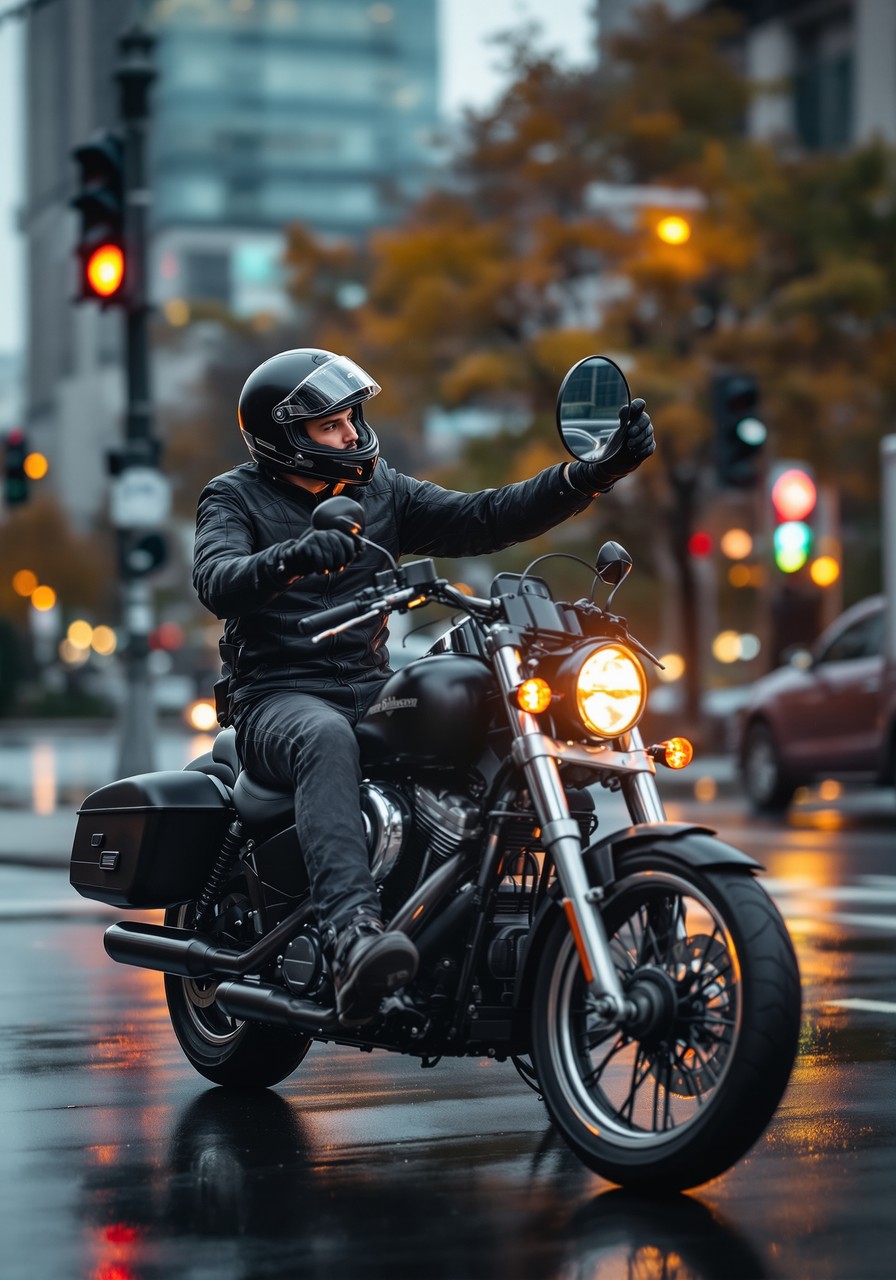
You have two years to file an injury claim in Oregon, but evidence fades in weeks. The sooner you talk to someone, the stronger your case. Call ELG at (503) 461-5256. #RideNationOR #RiderRights #PortlandRiders
Engagement
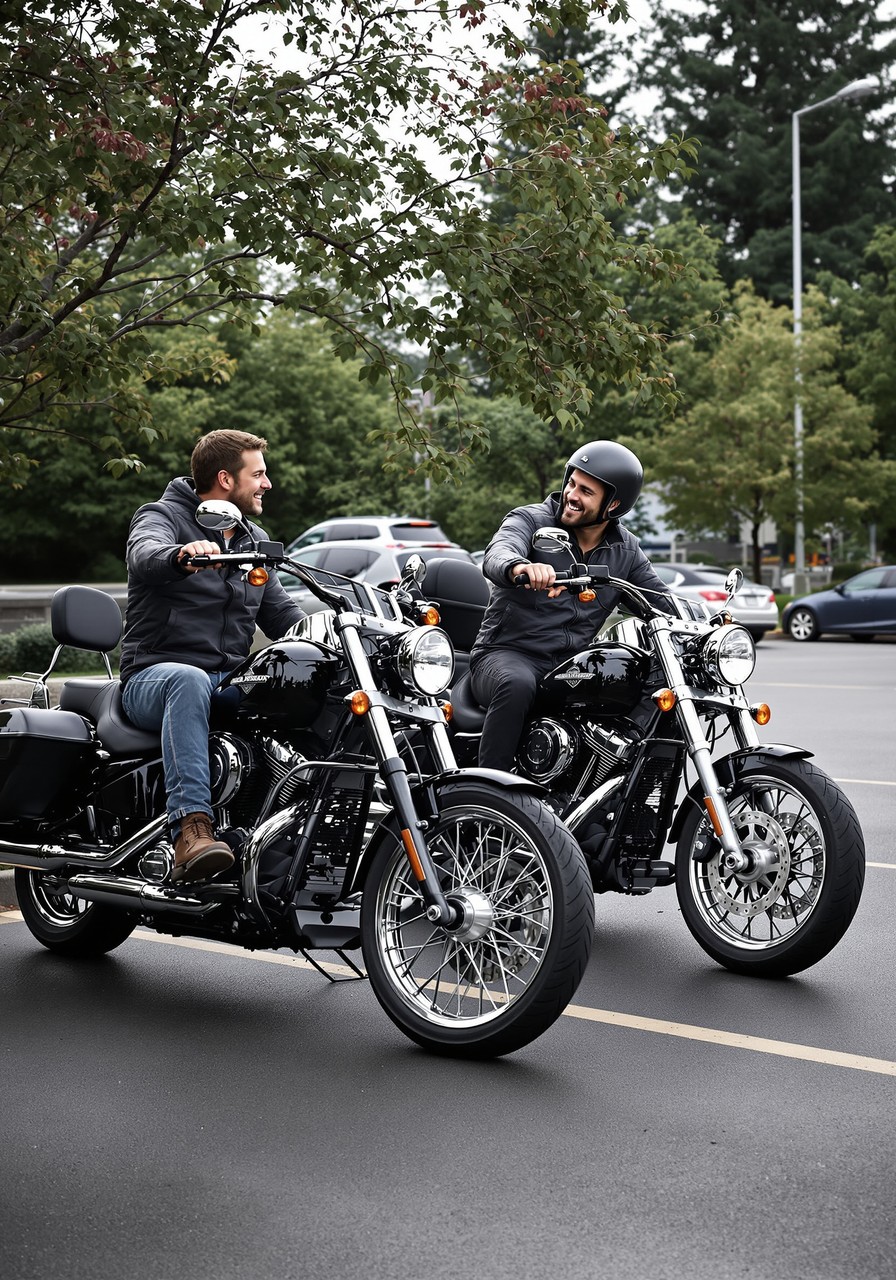
Fill in the blank: The first dry day of the year, I am pointing the front wheel straight toward ______. #RideNationOR #PacificNorthwest #TwoWheels
Giveaway & Countdown
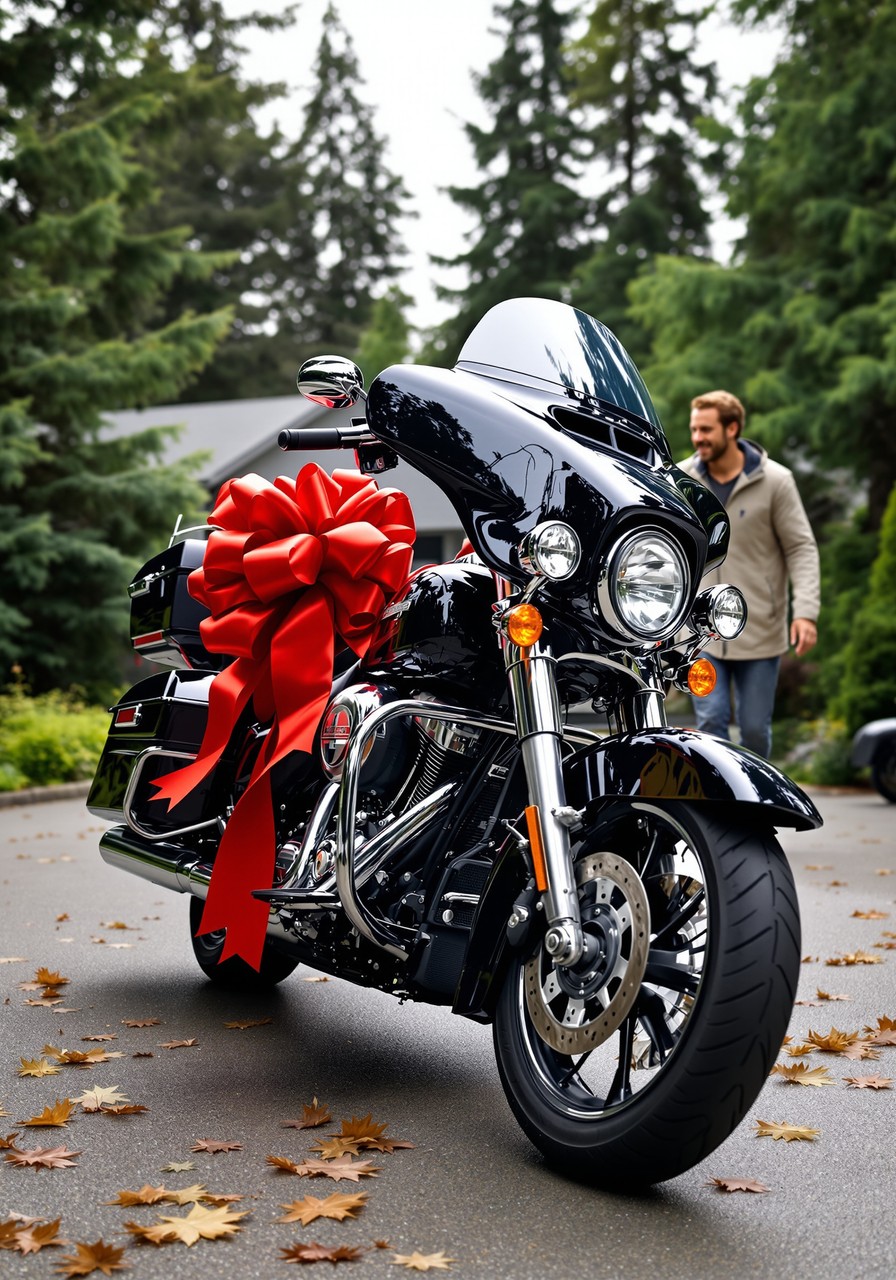
Twenty grand toward your next build could have your name on it. A free case review is your entry. Dial (503) 461-5256 and ask. #RideNationOR #MotorcycleGiveaway #PNWMoto
Local OR & Rides
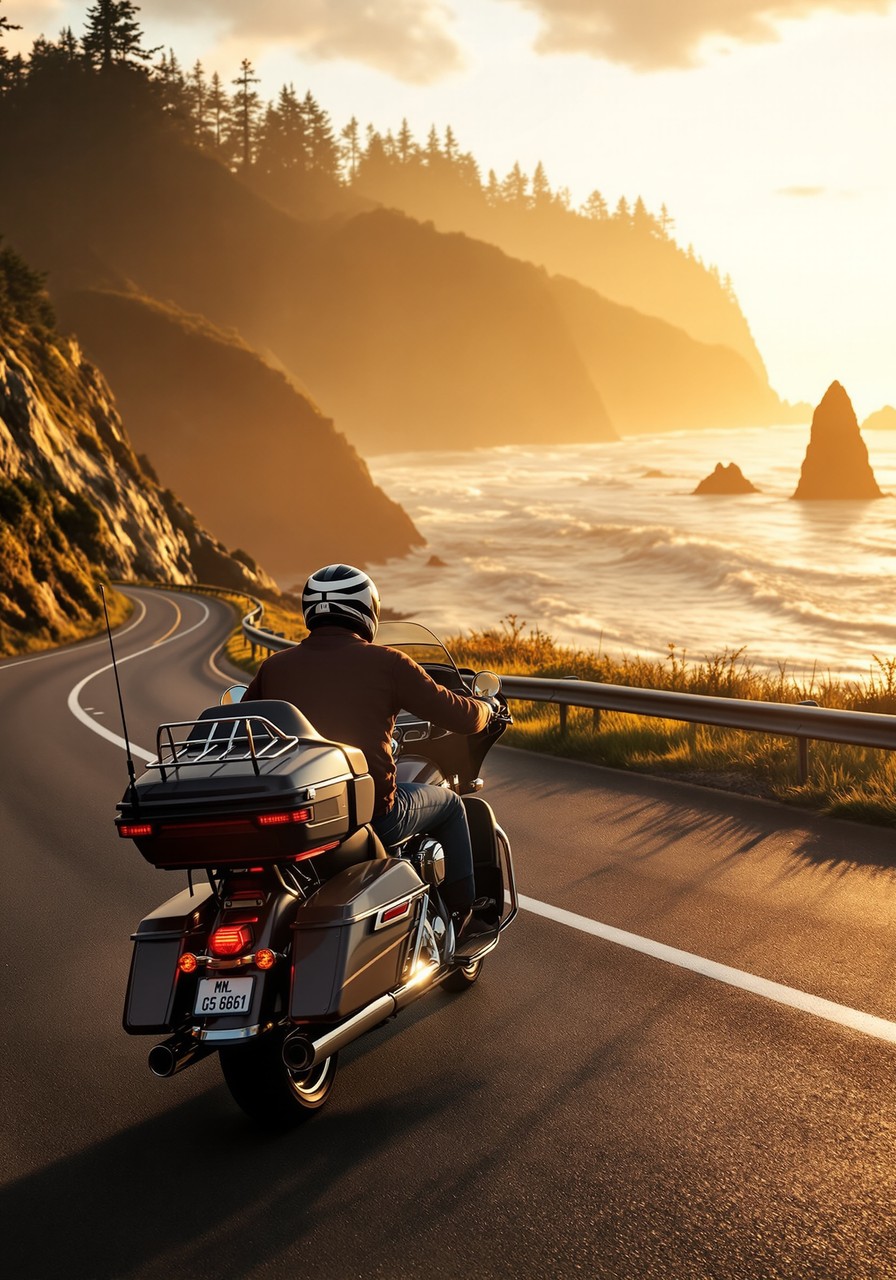
Crossing the Willamette bridges downtown, watch the seams and the steel deck on the Hawthorne. Wet metal has no grip. #RideNationOR #PortlandRiders
Gear & New Iron
Wet gloves ruin a ride fast. Real waterproof gloves keep your hands warm and your grip honest on a slick Portland morning. #RideNationOR #RainGear #GearUp
Safety & OR Law
If a city vehicle, TriMet, or ODOT was involved in your crash, you may have only 180 days to give notice. That deadline sneaks up fast. Call ELG at (503) 461-5256. #RideNationOR #KnowYourRights #OregonRiders
Engagement
This or that: coast run to Cannon Beach or the Mount Hood Loop. You only get one this weekend. #RideNationOR #MountHood #OregonRiders
Giveaway & Countdown
Got questions about your crash and the $20K giveaway? We answer both on one free call. (503) 461-5256. #RideNationOR #20kGiveaway #OregonRiders
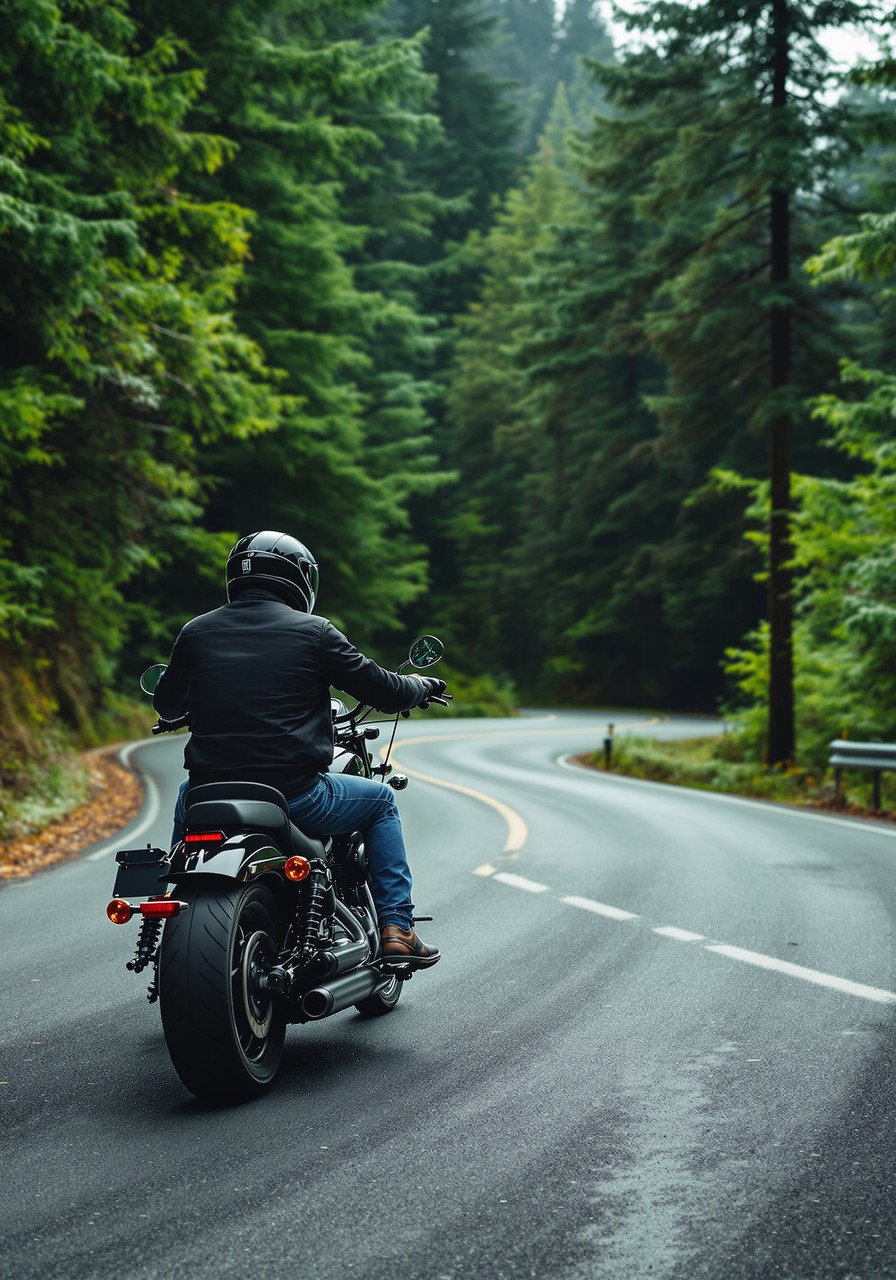
Local OR & Rides
Vista House at Crown Point on a clear day, the whole Gorge laid out below you. Worth the early alarm. #RideNationOR #ColumbiaGorge #PNWMoto
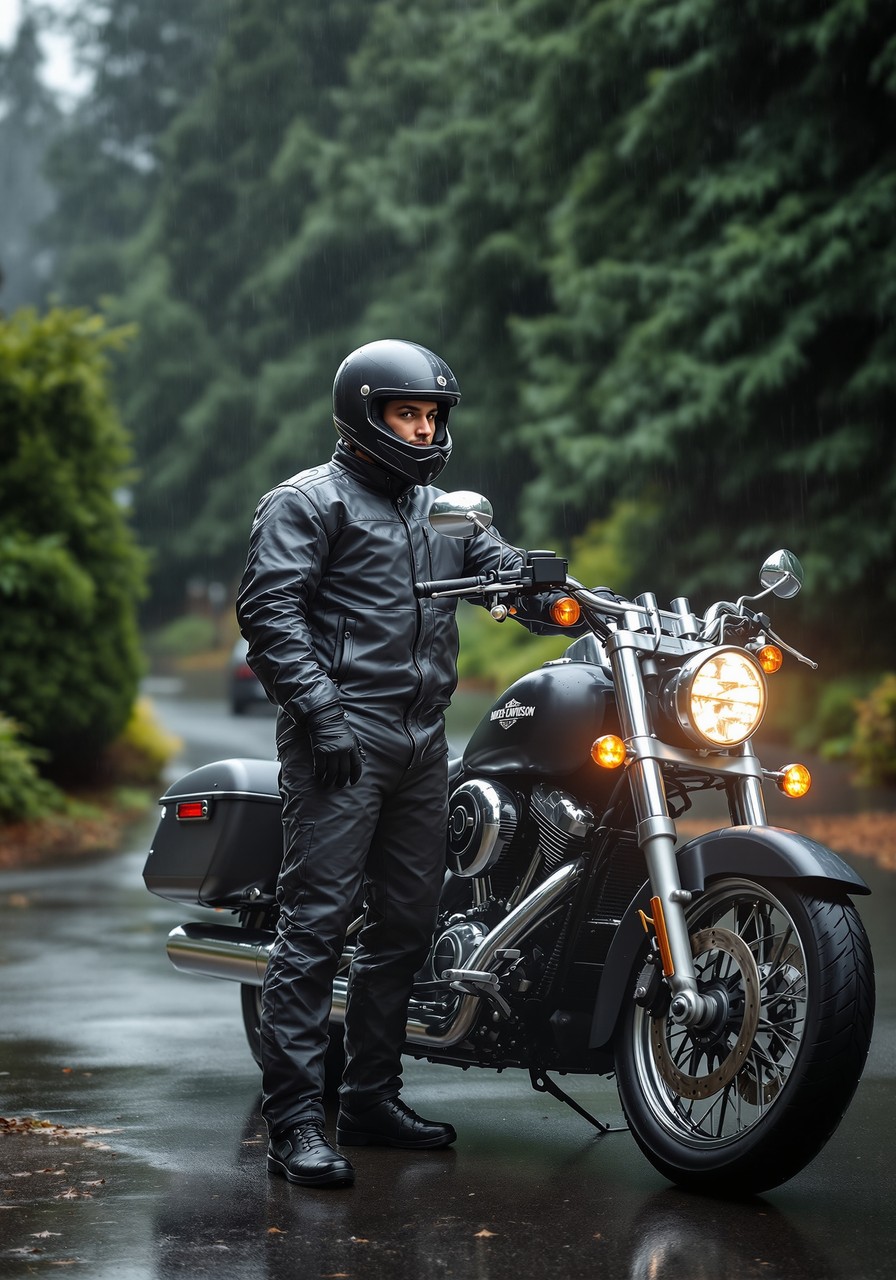
Gear & New Iron
Anti-fog visor or bust. Nothing kills wet-season riding like a fogged shield at a stoplight. A good pinlock or anti-fog coat pays for itself. #RideNationOR #RiderTips #PNWMoto
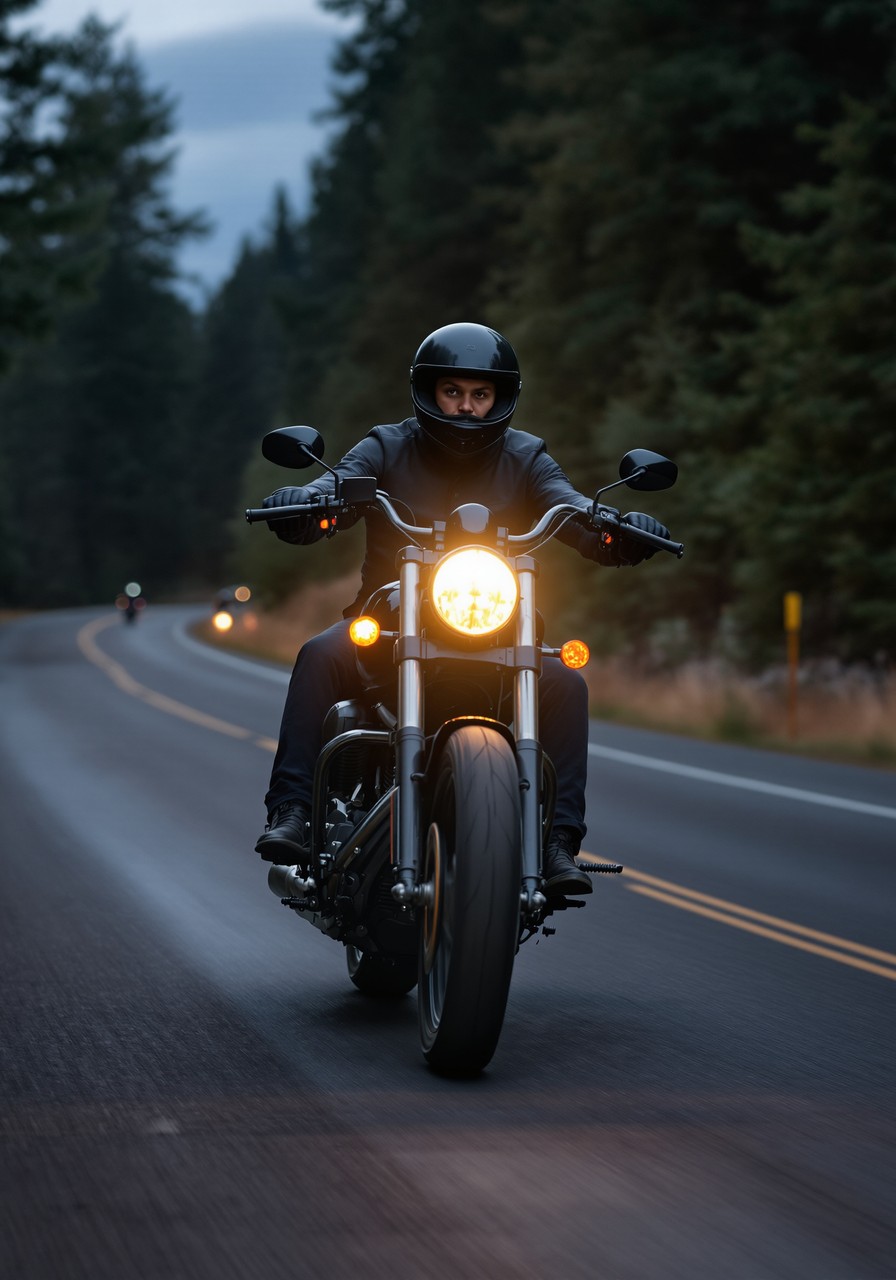
Safety & OR Law
Oregon's minimum liability is just 25/50/20. That does not go far after a serious crash, which is why UM/UIM matters. Questions about your coverage? Call (503) 461-5256. #RideNationOR #RiderRights #OregonRiders
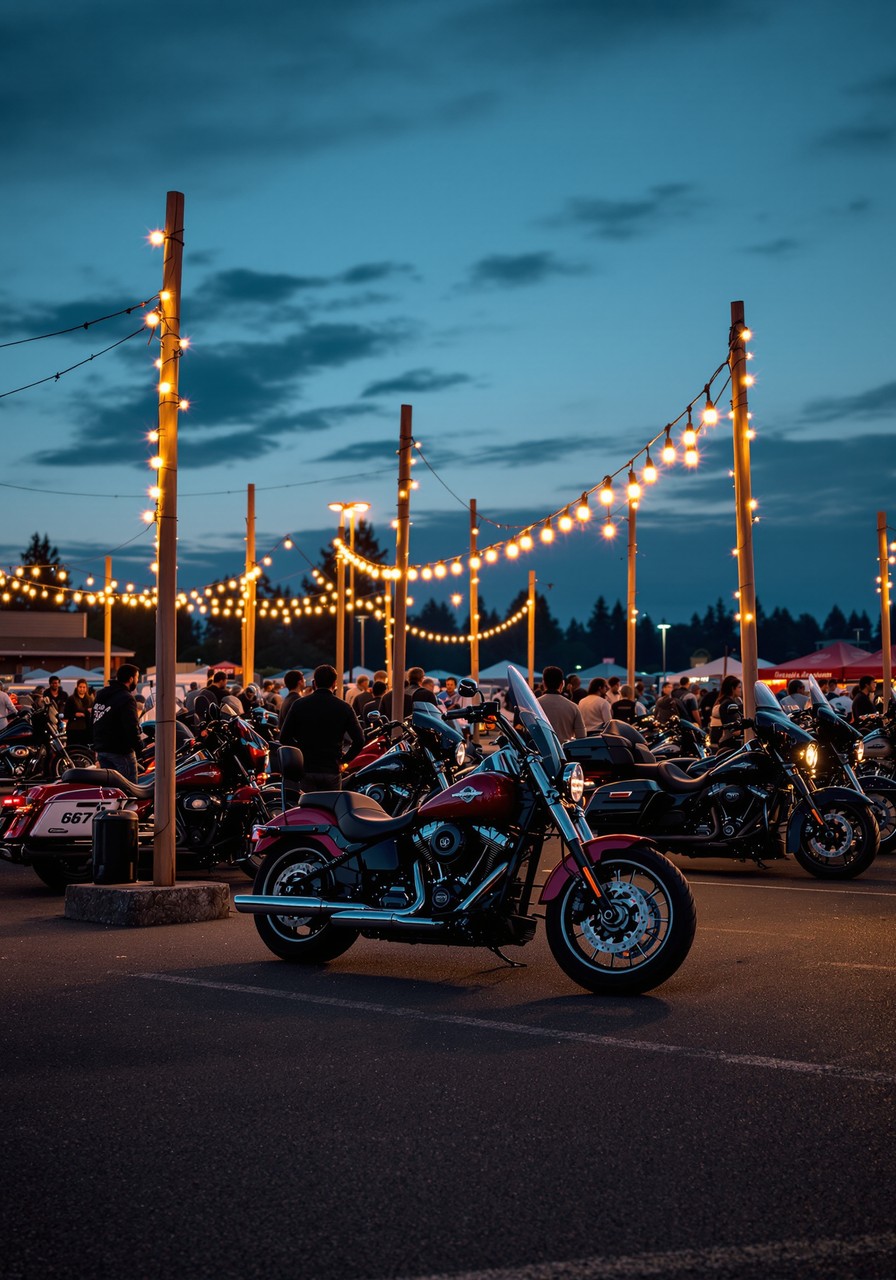
Engagement
What is the one thing that lives in your tank bag all winter and never comes out? Tell us your weird essential. #RideNationOR #PNWMoto #PortlandRiders
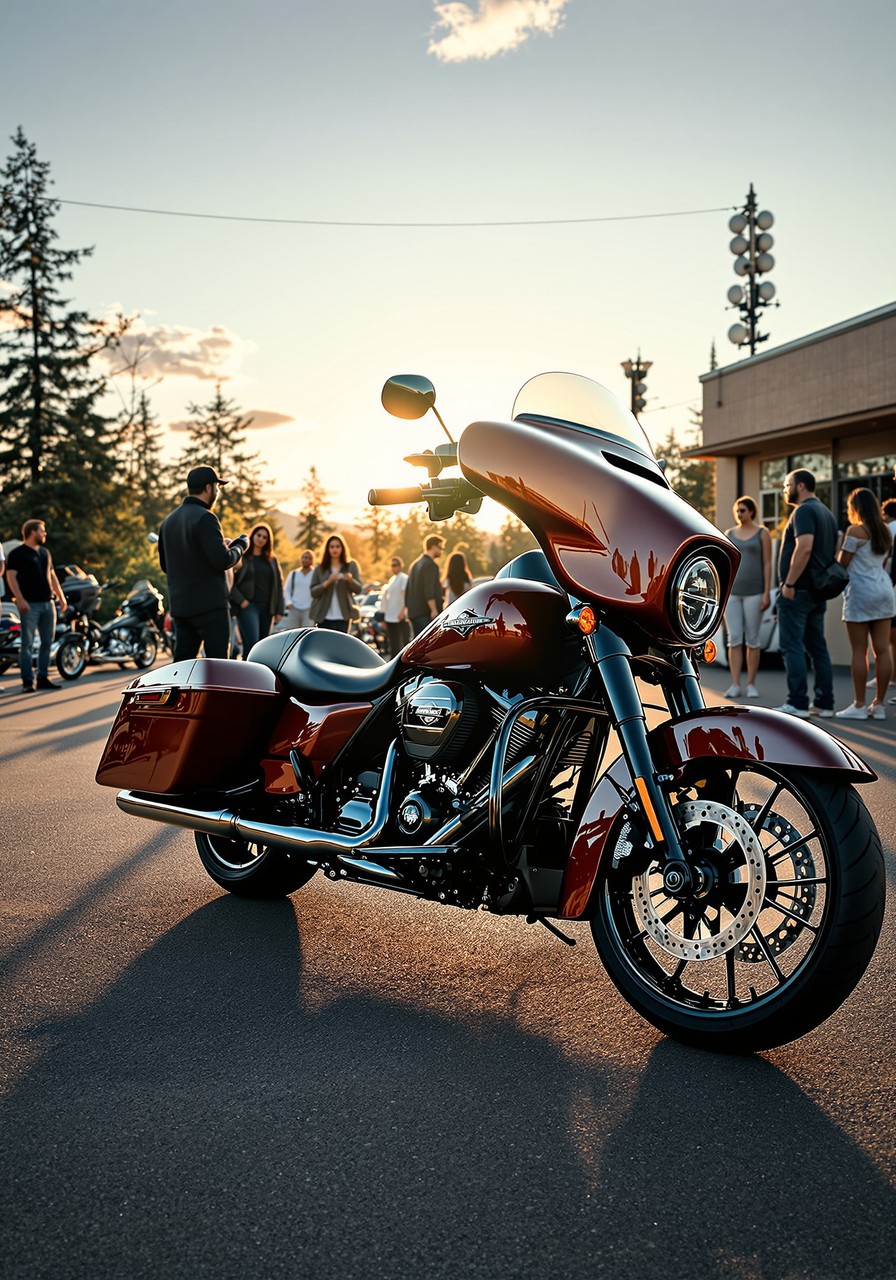
Giveaway & Countdown
Entering is free, riders. Tell us about your motorcycle crash and you are in the running for $20,000. Call ELG at (503) 461-5256. #RideNationOR #BikersWin #PortlandRiders
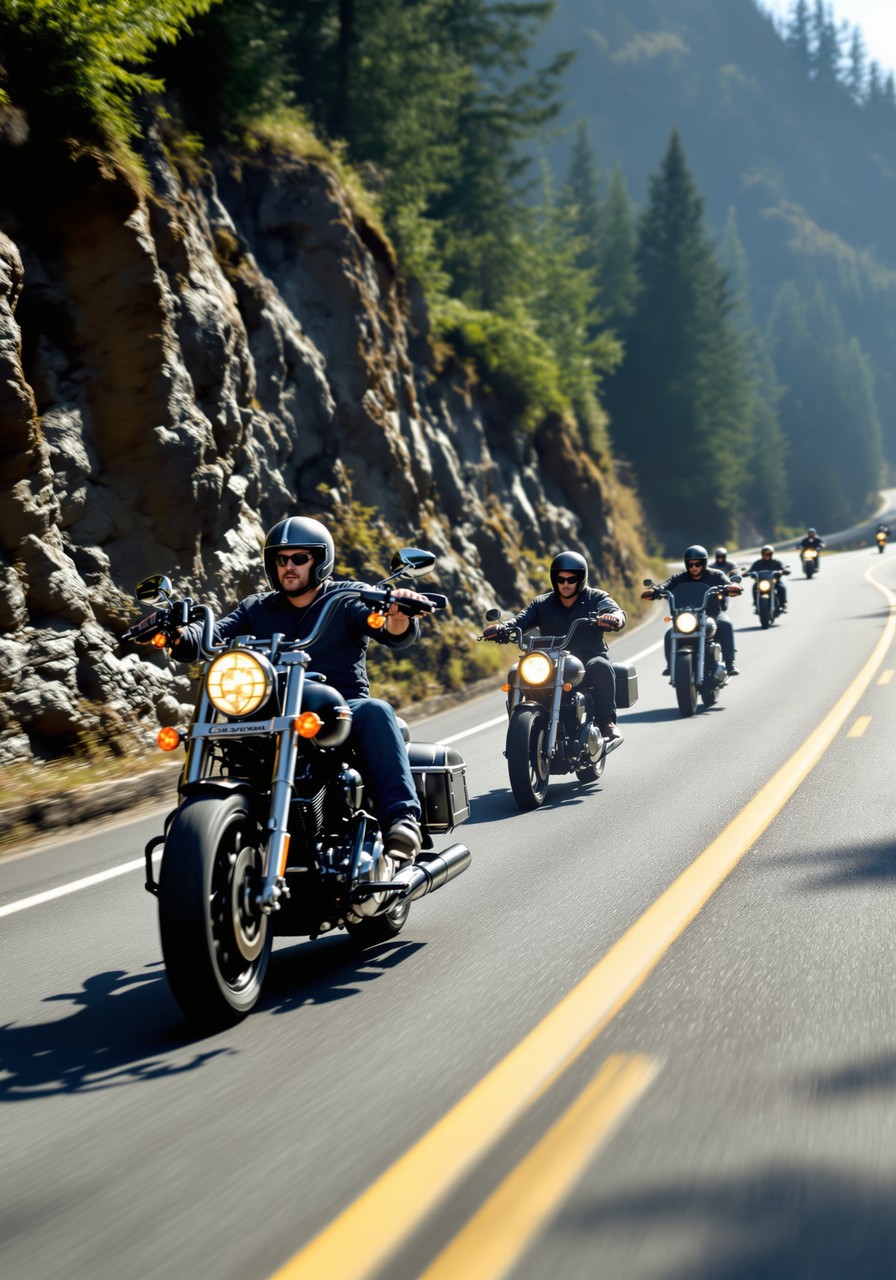
Local OR & Rides
Reminder for the die-hards: those painted crosswalk lines downtown turn to ice the second the rain starts. Ease off the lean. #RideNationOR #PortlandRiders
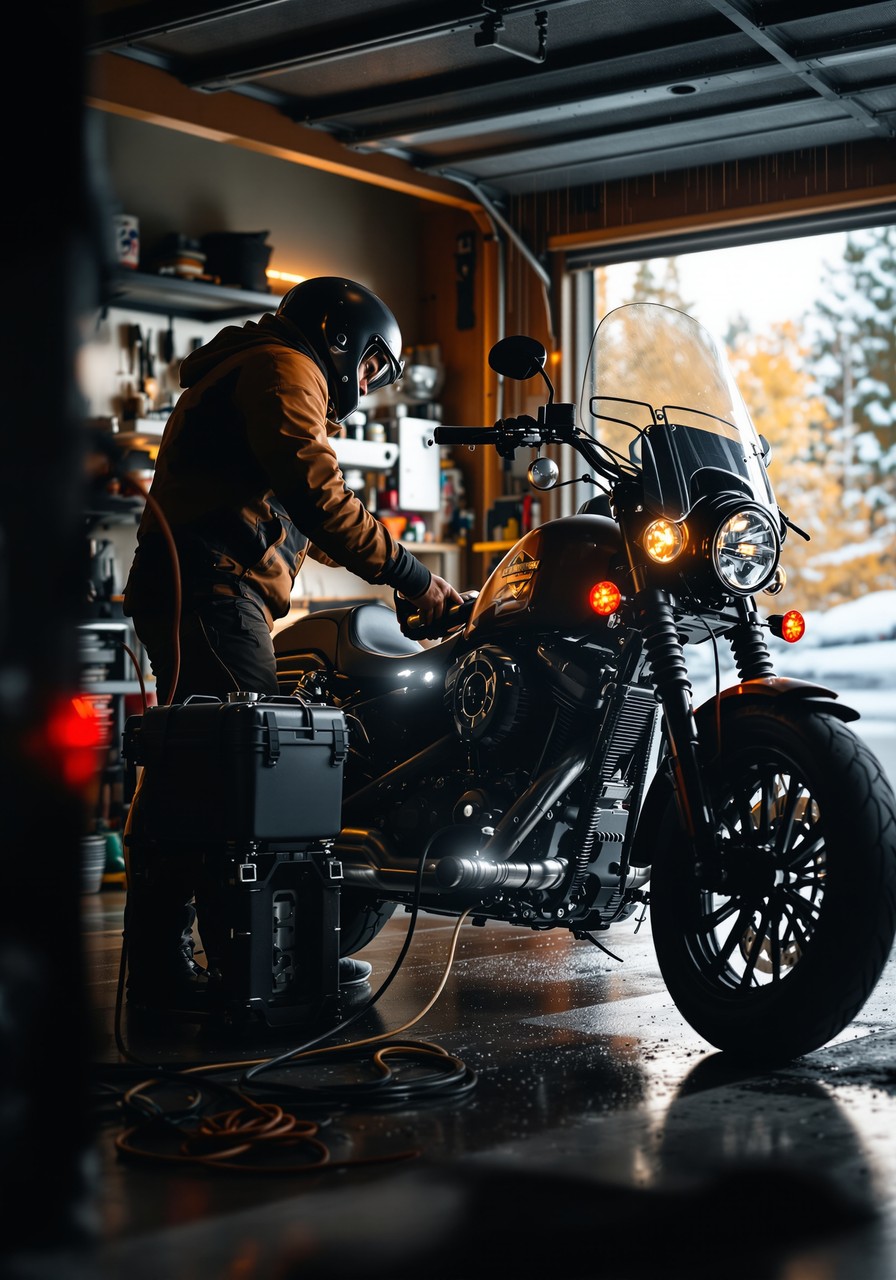
Gear & New Iron
CE-rated armor beats foam pads every time. Look for the CE mark at shoulders, elbows, and back before you trust a jacket. #RideNationOR #ATGATT #GearUp
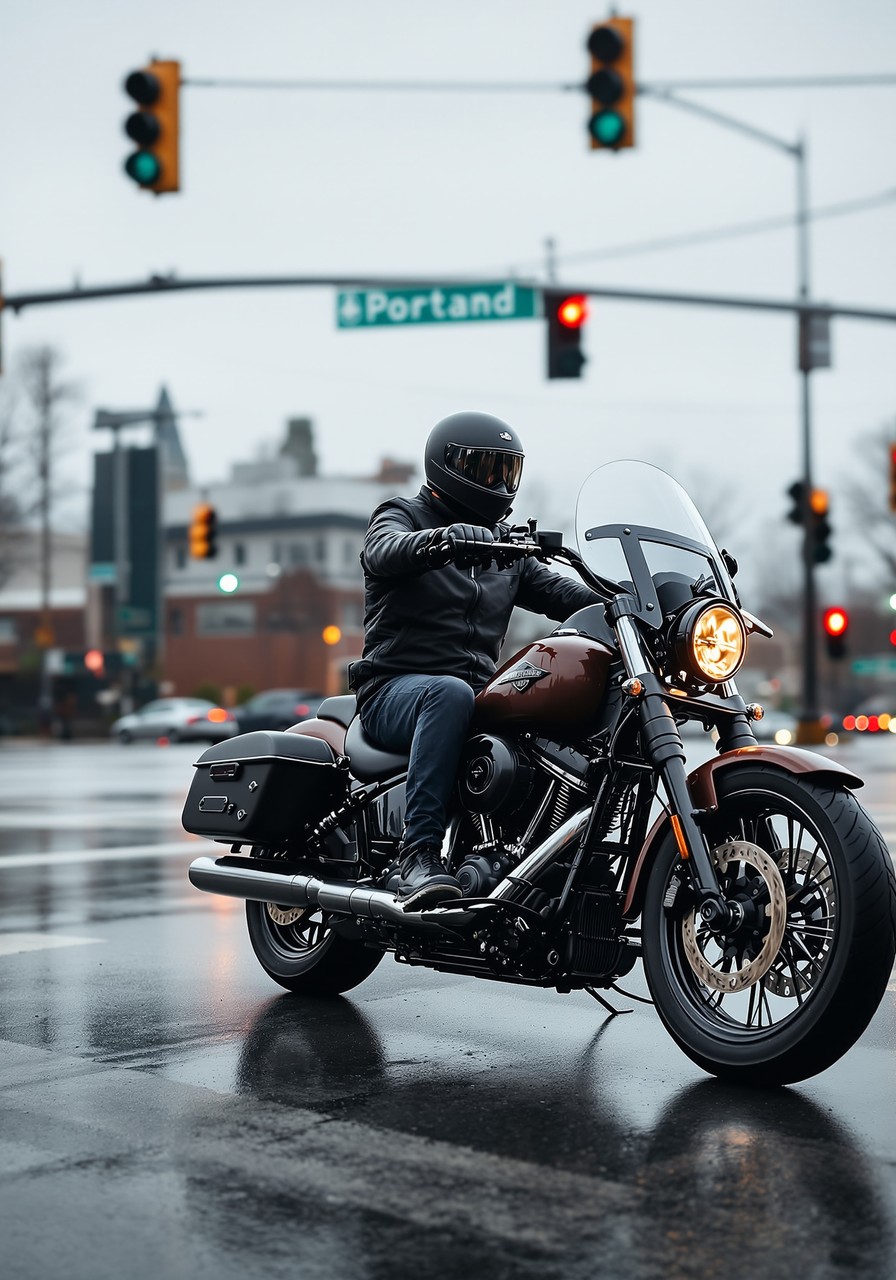
Safety & OR Law
Left-turning drivers are the number one threat at Portland intersections. If one turned across your lane and hurt you, do not guess about fault. Call ELG at (503) 461-5256. #RideNationOR #MotorcycleSafety #PortlandRiders
Engagement
Favorite Gorge pullout for a coffee stop? Give us the name so the whole crew knows. #RideNationOR #ColumbiaGorge #OregonRiders
Giveaway & Countdown
Portland, your entry into the BikersWin $20,000 giveaway is one phone call away. Free review, free entry. (503) 461-5256. #RideNationOR #MotorcycleGiveaway #20kGiveaway
Local OR & Rides
Wet leaves stack up in the shaded corners on Skyline and Germantown this time of year. Treat every brown patch like oil. #RideNationOR #OregonRiders #MotorcycleRoads
Gear & New Iron
A back protector is the piece most riders skip and wish they had. CE level 2 if you can get it. Your spine is not a warranty item. #RideNationOR #ATGATT #RiderTips
Safety & OR Law
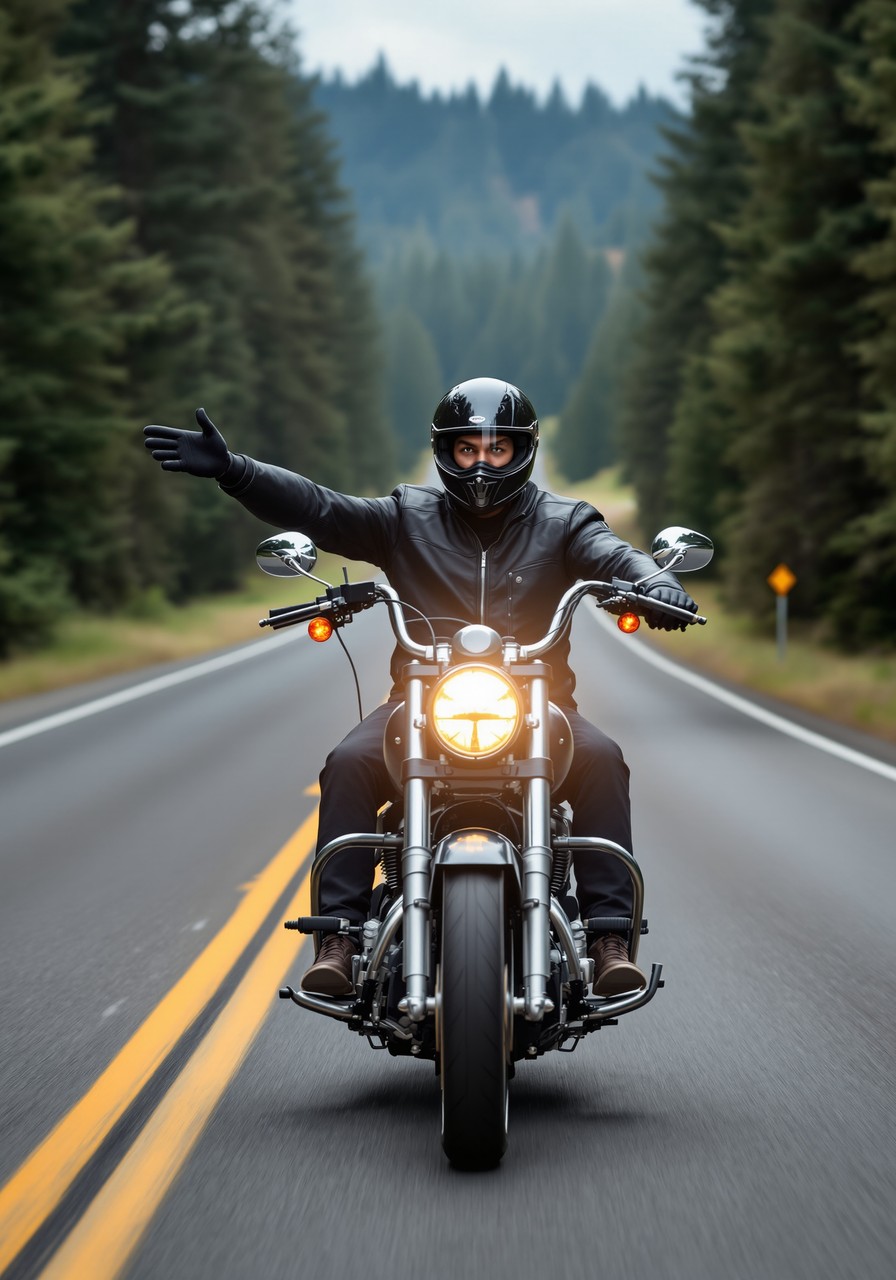
"I never saw the motorcycle" is not a defense, it is an admission. If a driver said it after hitting you, that matters. Call ELG at (503) 461-5256. #RideNationOR #RiderRights #KnowYourRights
Engagement
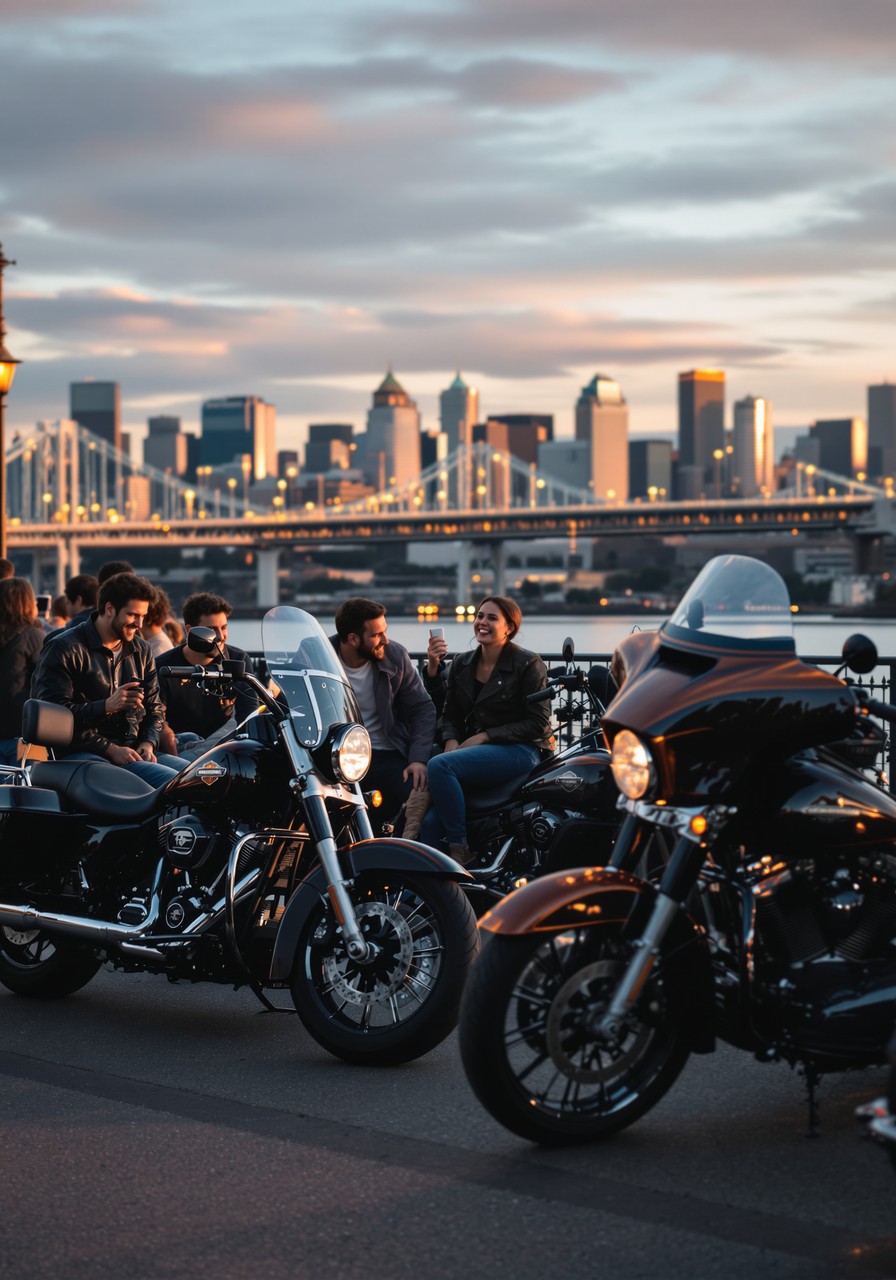
Poll: heated grips, are they (a) life-changing, (b) overrated, or (c) on your list this year? Vote below. #RideNationOR #PNWMoto #TwoWheels
Giveaway & Countdown
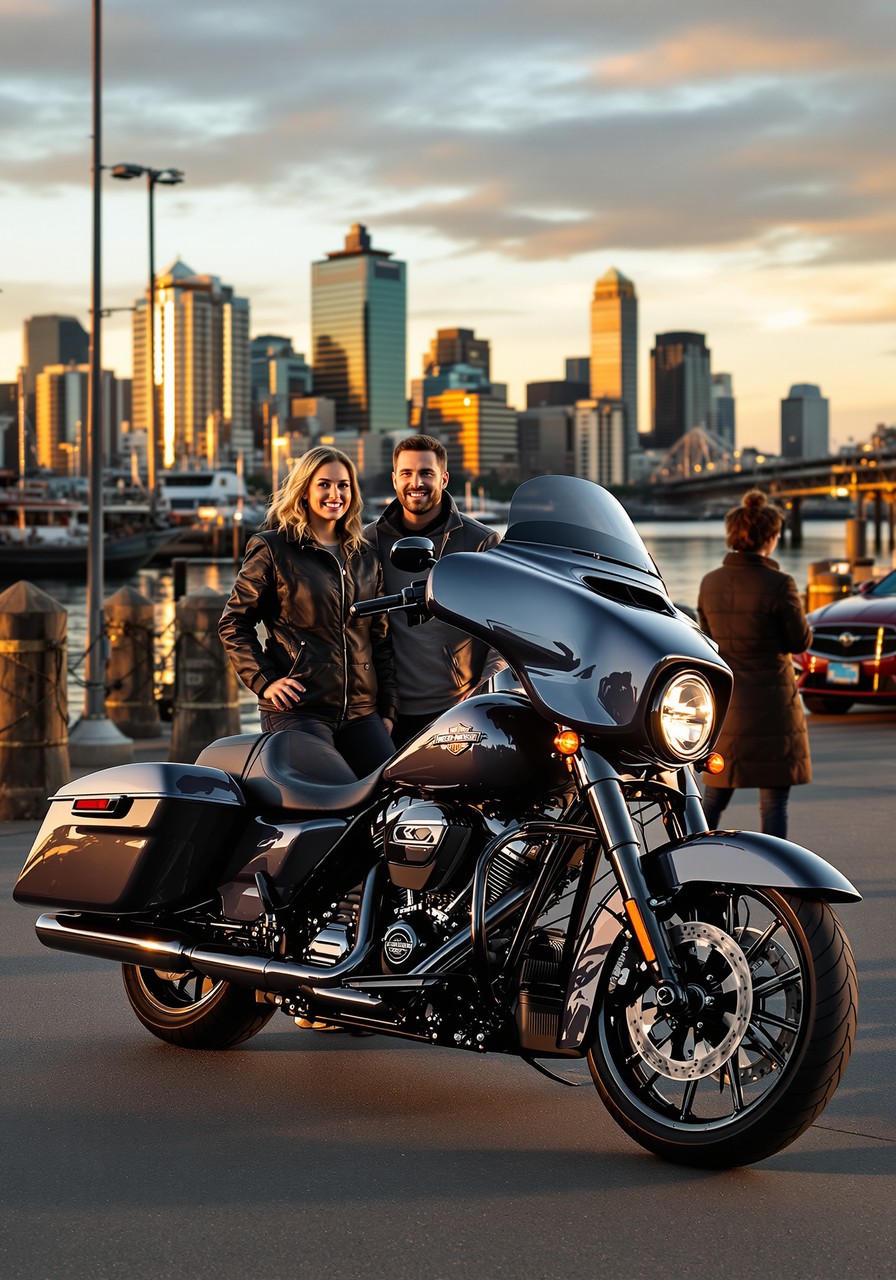
Never leave money or a giveaway spot on the table. A free talk about your wreck gets you entered. Reach ELG at (503) 461-5256. #RideNationOR #BikersWin #PNWMoto
Local OR & Rides
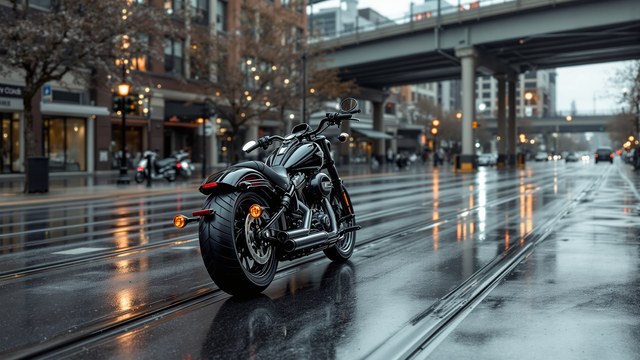
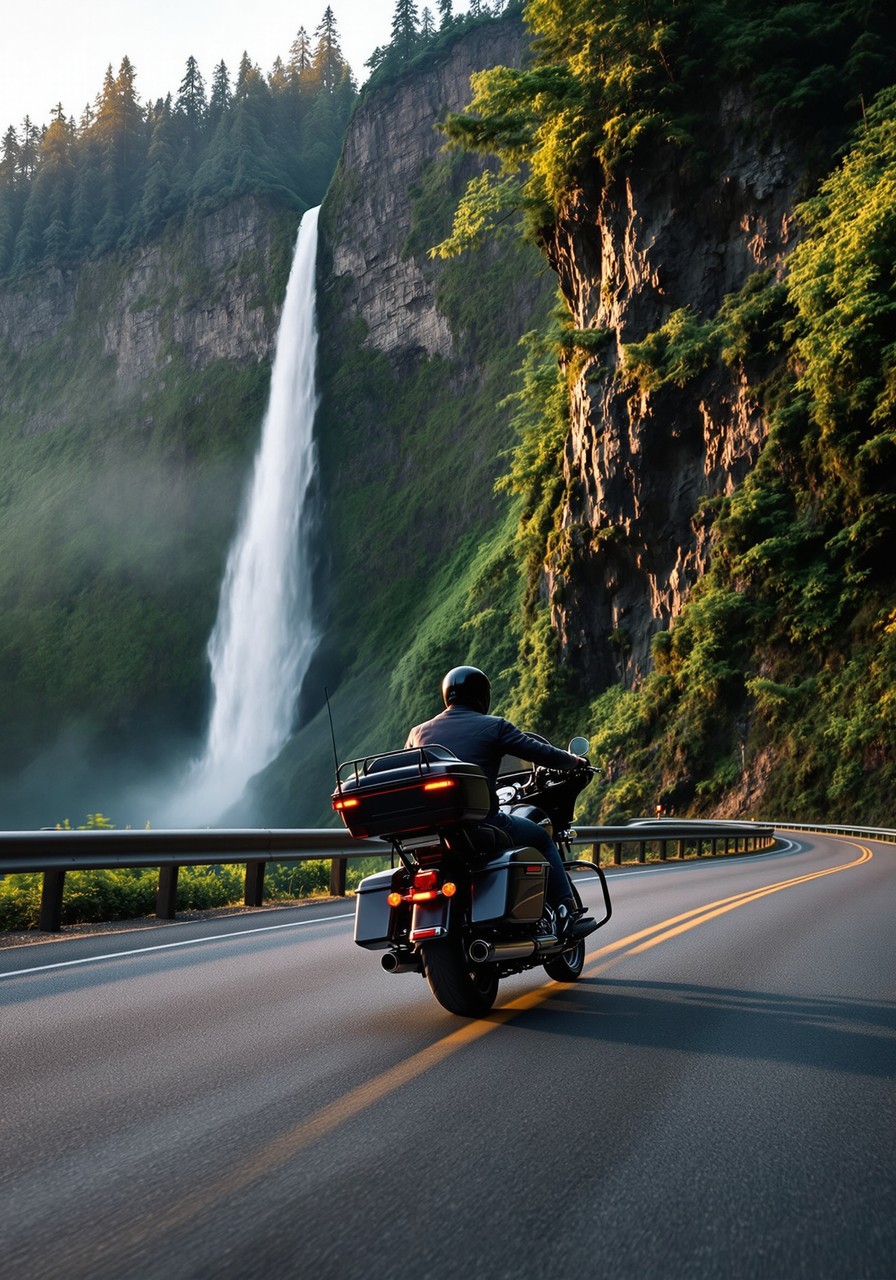
MAX and streetcar tracks downtown will grab your front end if you cross them shallow. Square up and cross closer to 90. #RideNationOR #PortlandRiders
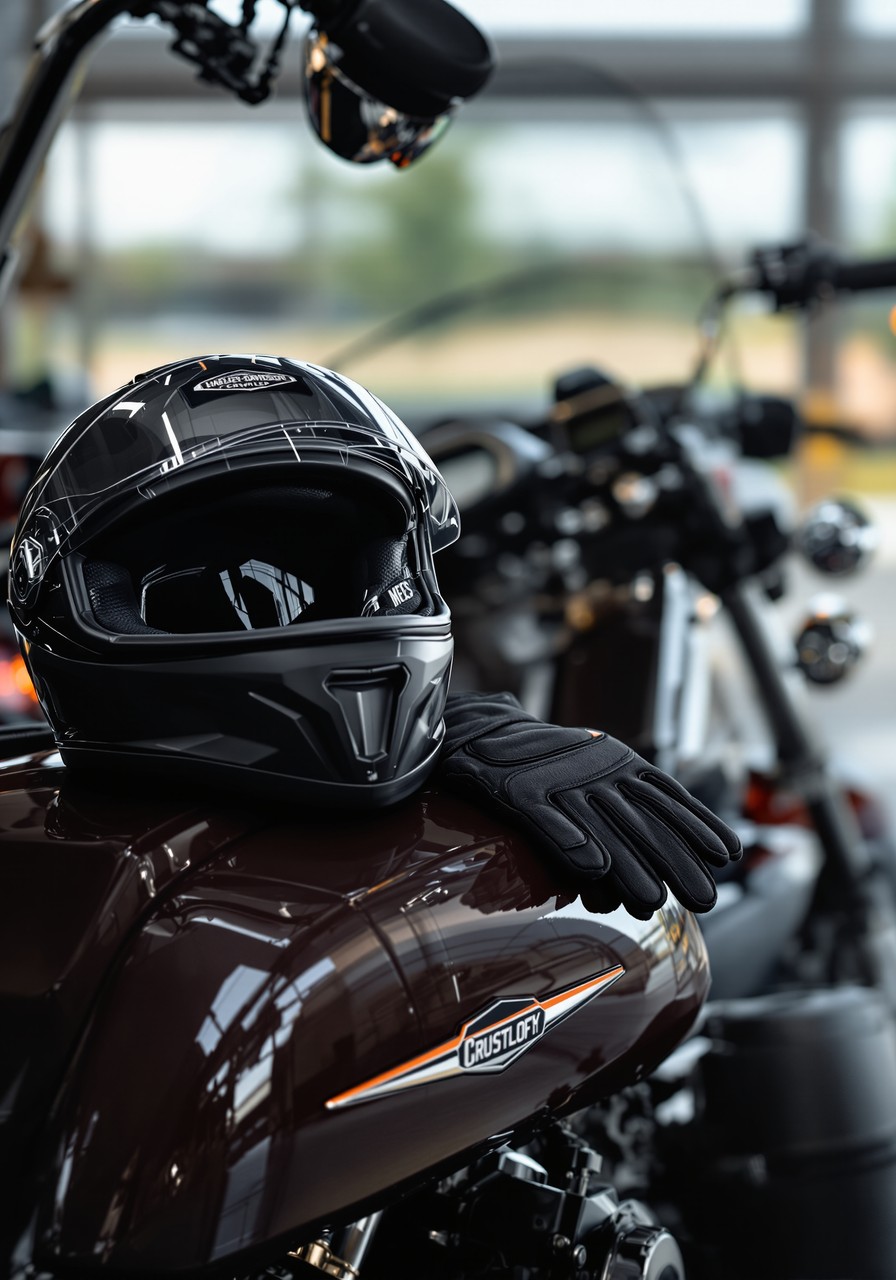
Gear & New Iron
ATGATT is not a slogan out here. All the gear, all the time, because Portland pavement in the rain does not forgive a t-shirt. #RideNationOR #ATGATT #PNWMoto
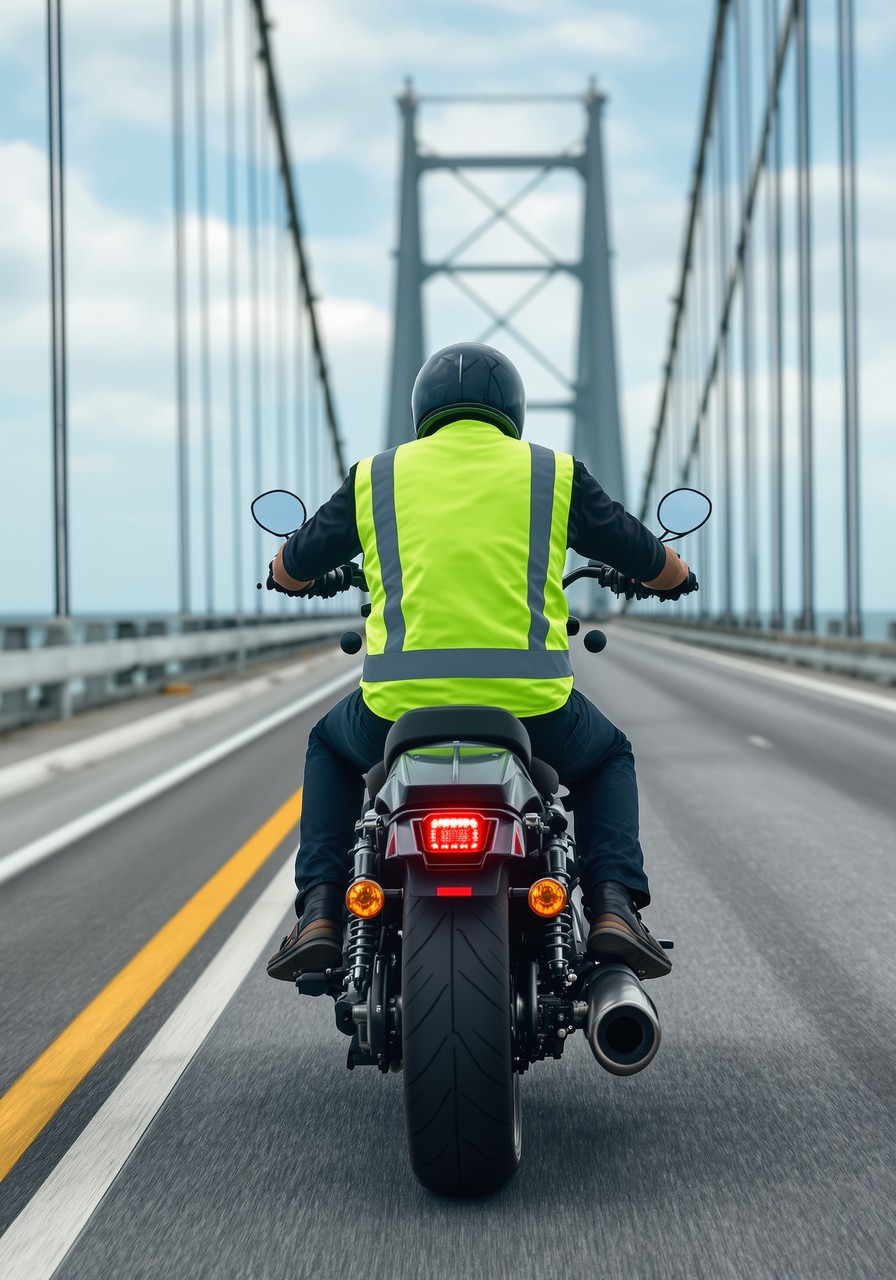
Safety & OR Law
MAX and streetcar tracks bite hardest when wet. If a rail crossing or a driver put you down, get your questions answered. Call ELG at (503) 461-5256. #RideNationOR #PortlandRiders #MotorcycleSafety
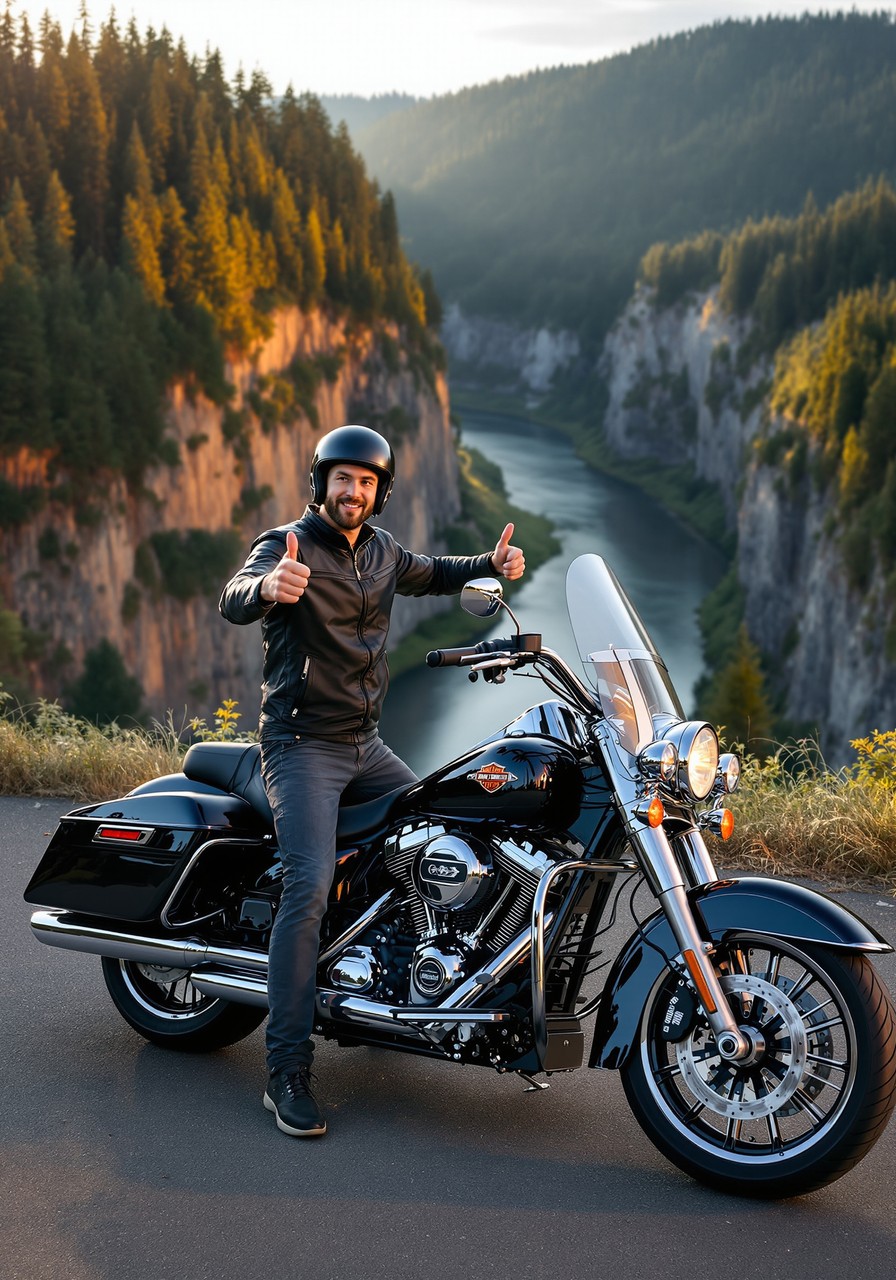
Engagement
Caption this: rain gear dripping in the entryway, helmet still on the counter, grin you cannot wipe off. #RideNationOR #PacificNorthwest #PortlandRiders
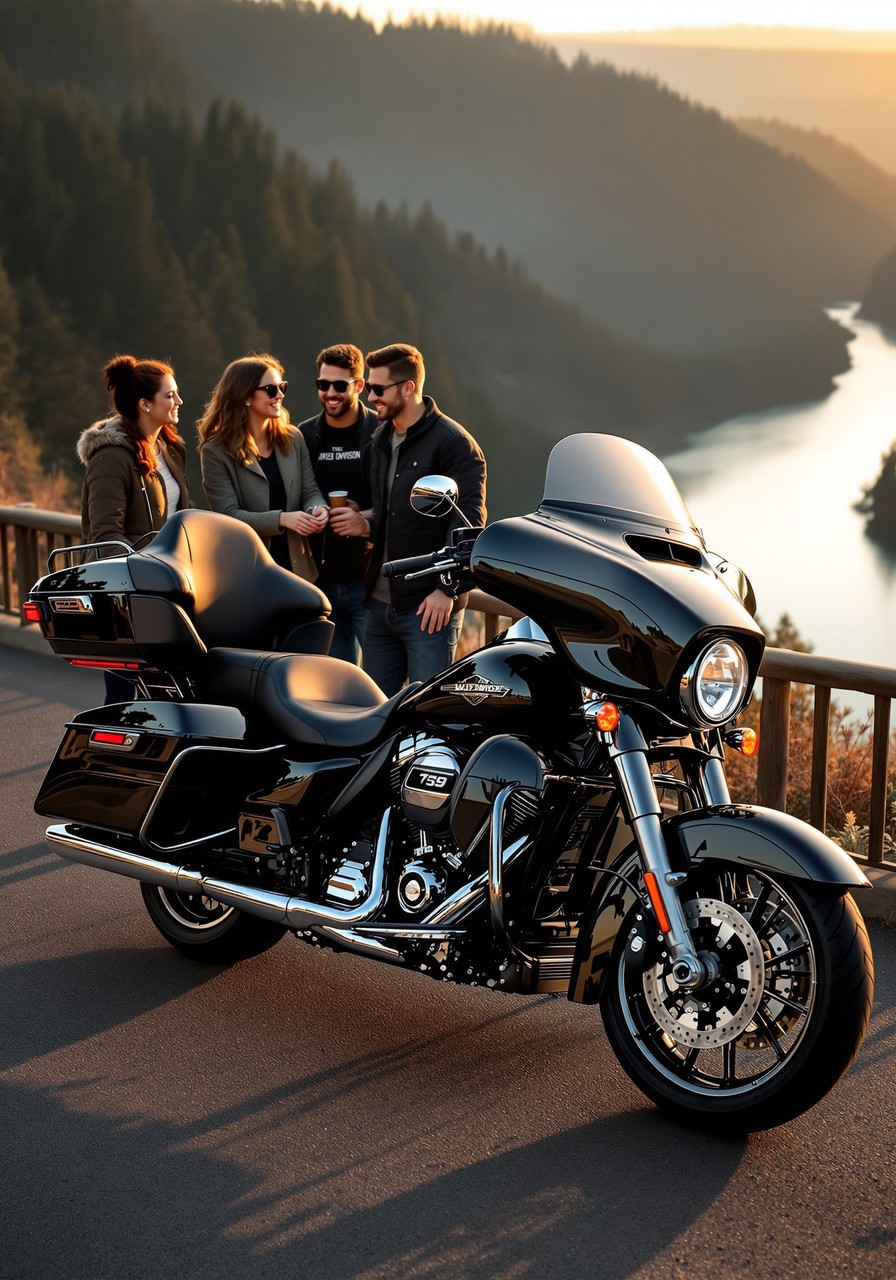
Giveaway & Countdown
Curious if your crash counts? One free call finds out and enters you in the $20K giveaway. (503) 461-5256. #RideNationOR #20kGiveaway #OregonRiders
Local OR & Rides
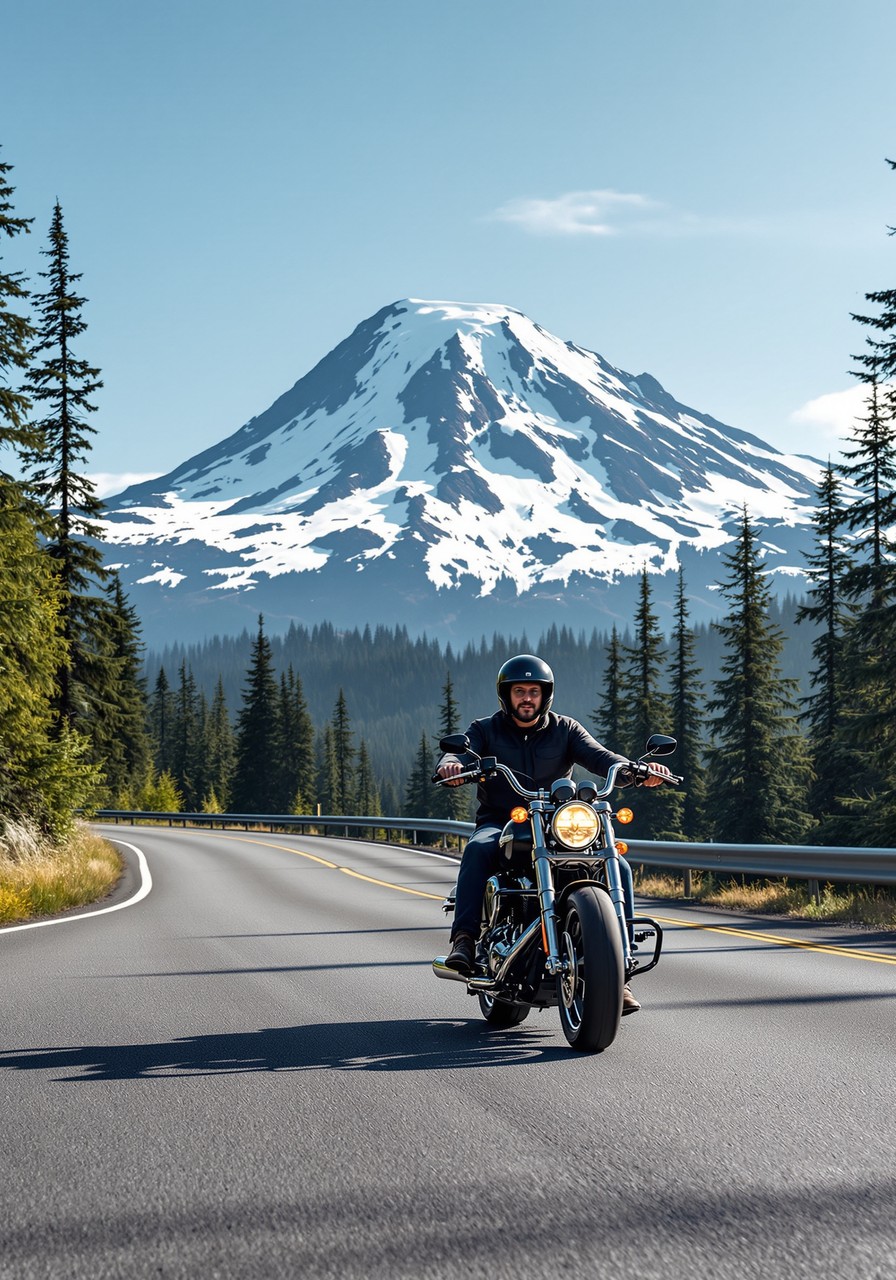
First rain after a dry stretch is the slickest day of the year. All that oil comes up. Give yourself extra room the first hour. #RideNationOR #OregonRiders
Gear & New Iron
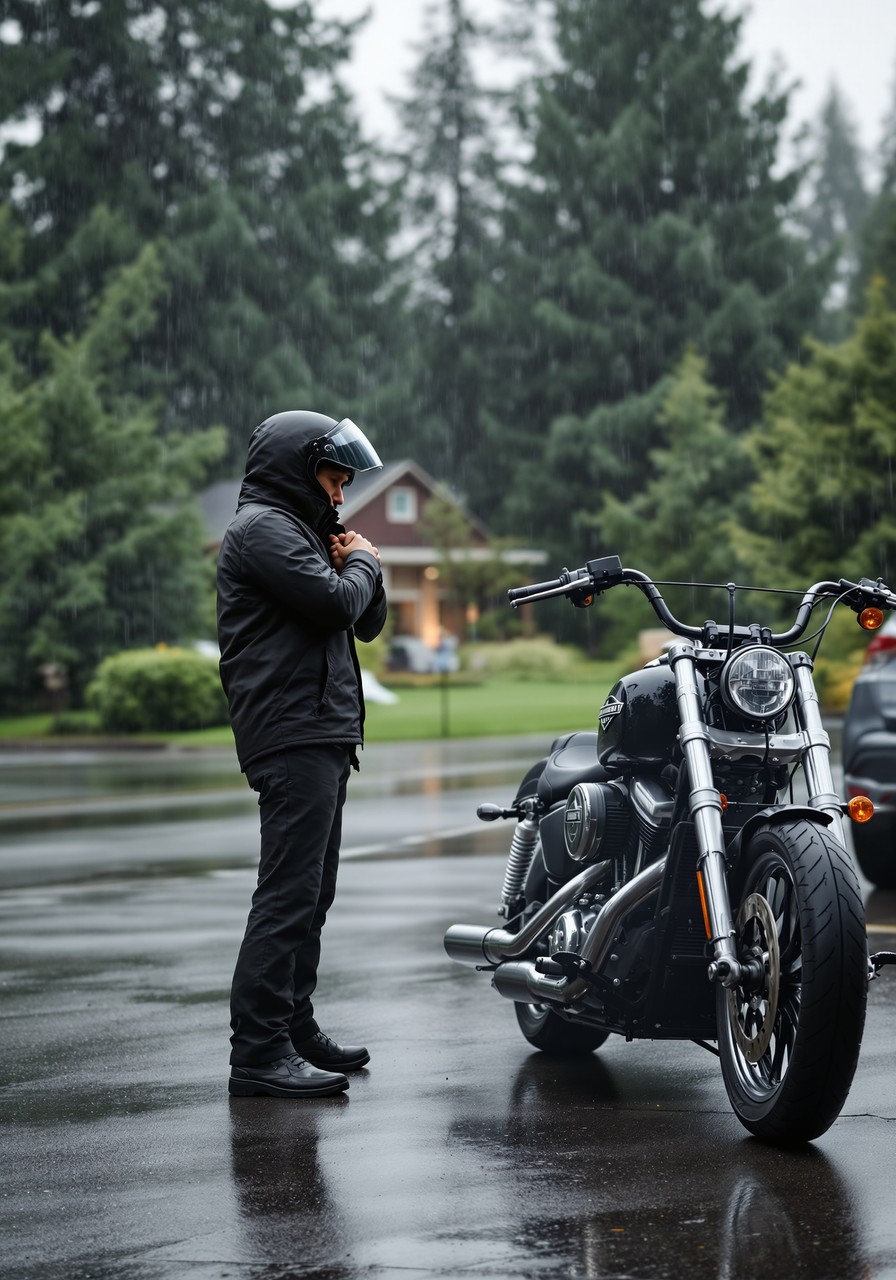
Grey wet days hide riders. Hi-viz or reflective on your jacket and helmet buys you seconds, and seconds are everything. #RideNationOR #GearUp #RiderTips
Safety & OR Law
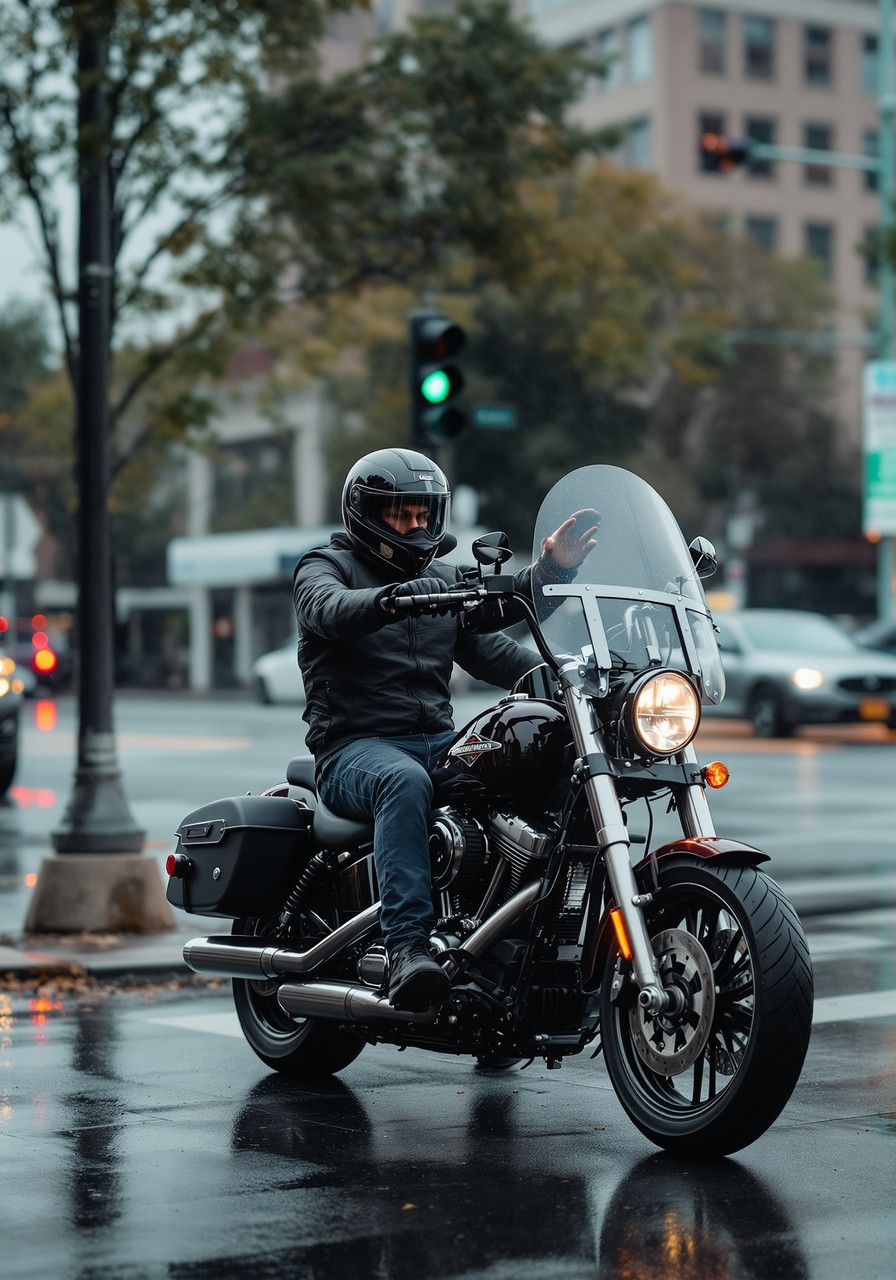
That first rain after a dry spell lifts oil to the surface and turns Portland roads slick. If a crash left you hurt, we can help sort out fault. Call (503) 461-5256. #RideNationOR #MotorcycleSafety #PNWMoto
Engagement
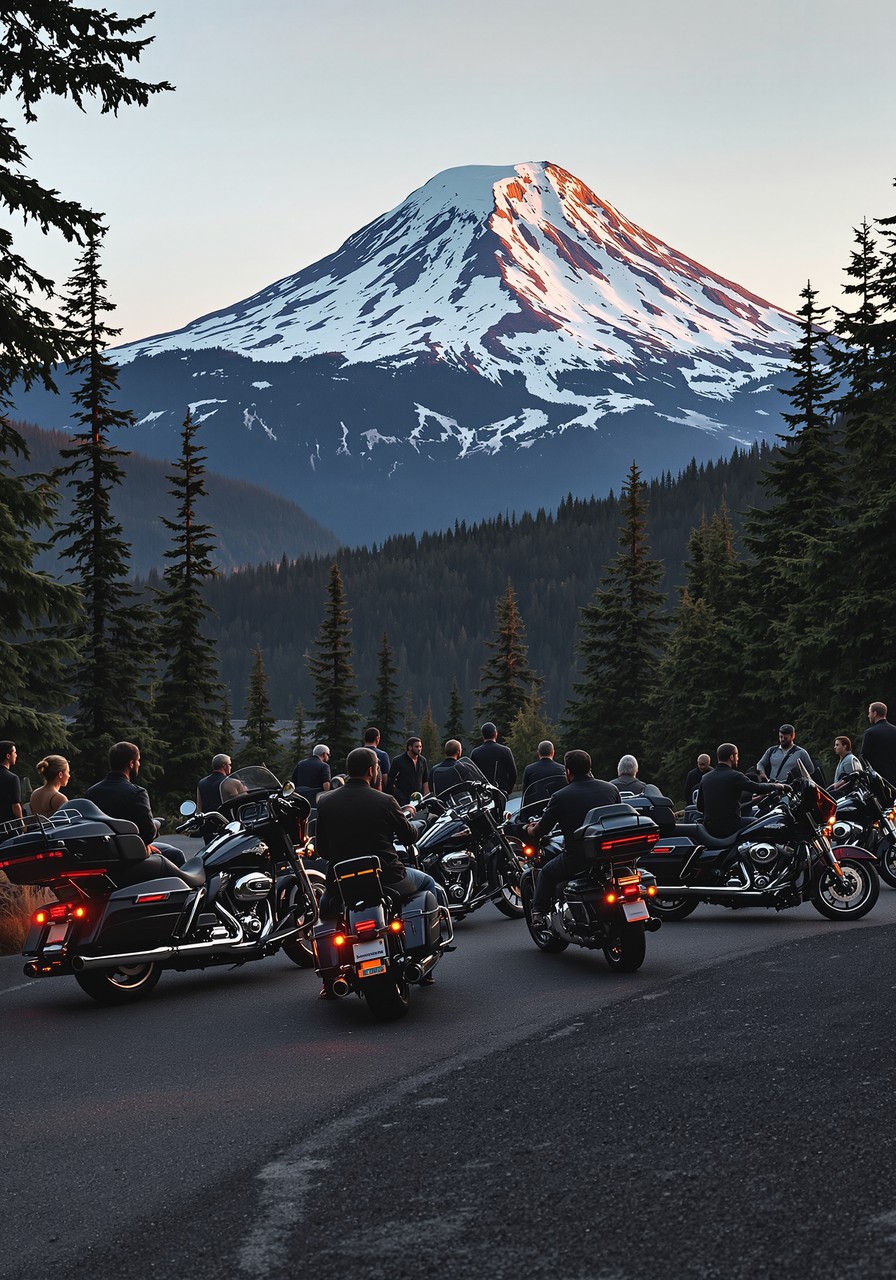
Tag the rider you would trust to lead a group ride in the rain and not complain once. #RideNationOR #RideOrDie #OregonRiders
Giveaway & Countdown
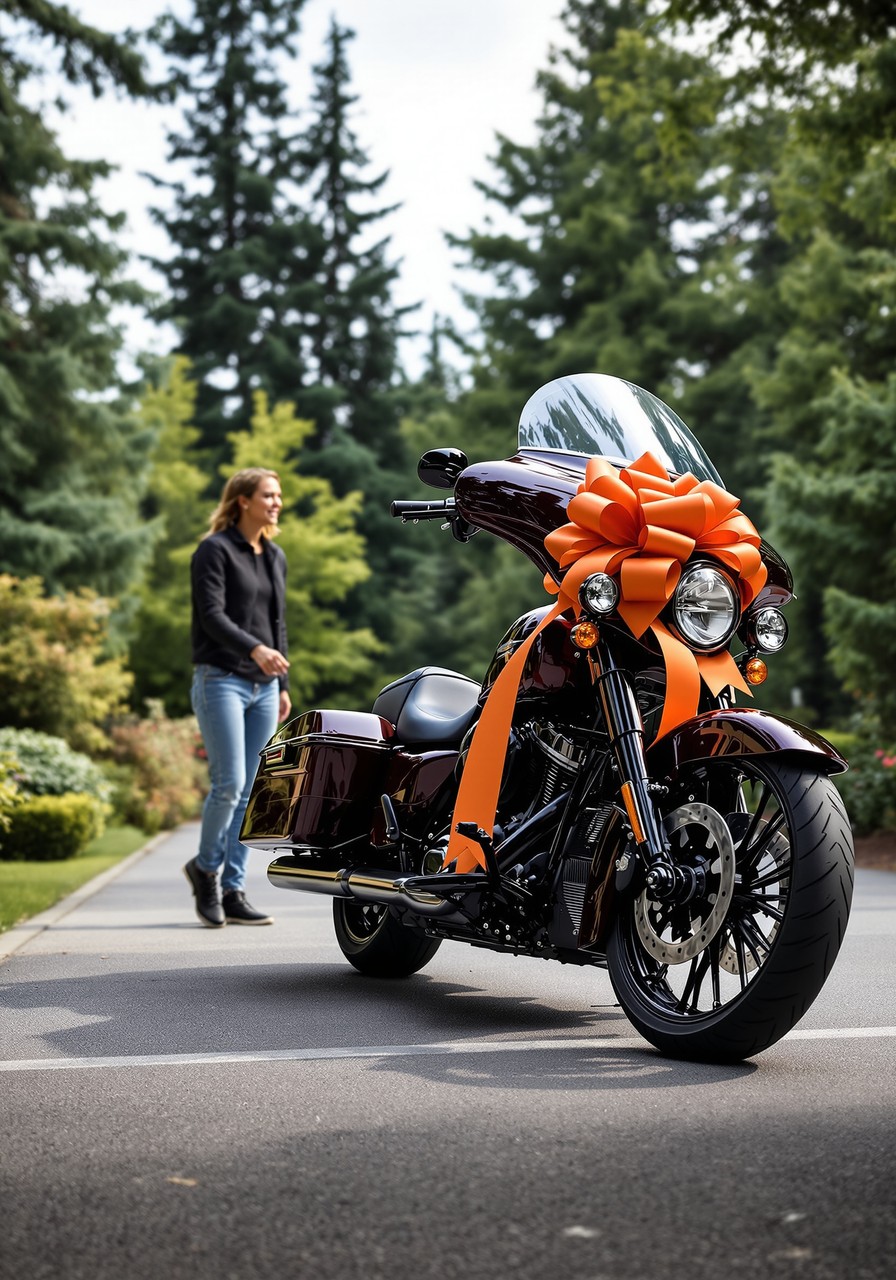
Riders helping riders is what we do. Chat with us about your crash, free, and get your name in the BikersWin drawing. Call (503) 461-5256. #RideNationOR #BikersWin #PortlandRiders
Local OR & Rides
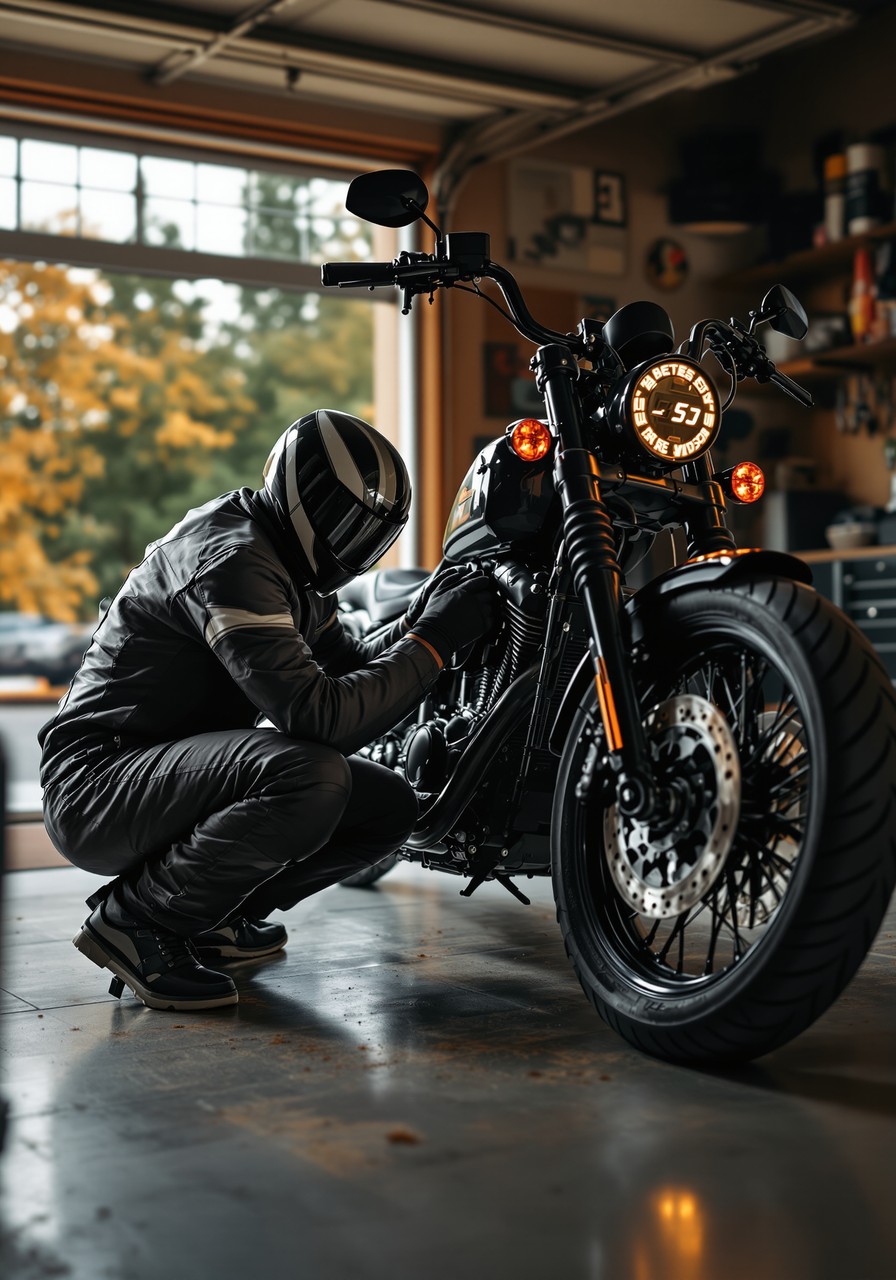
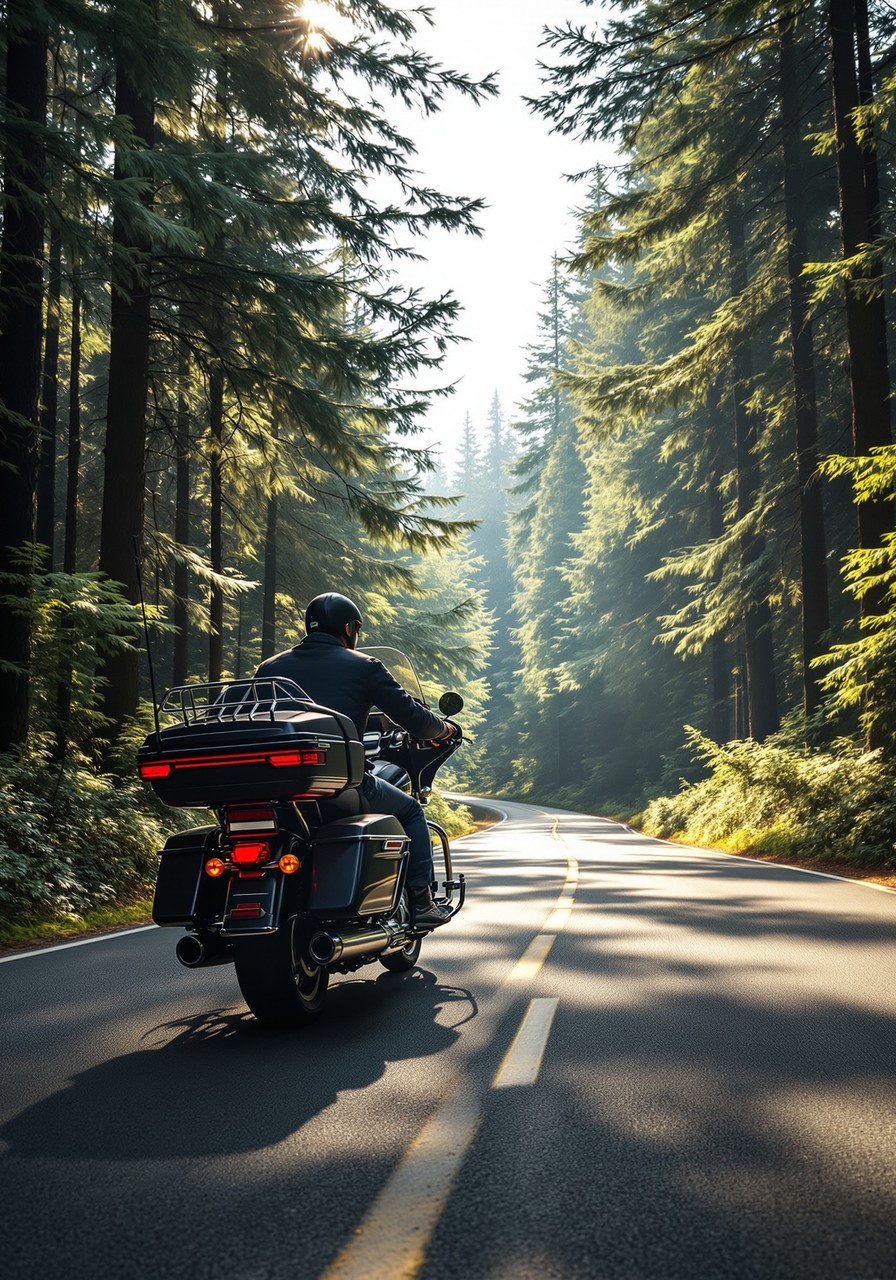
Garage season is here. Fresh oil, a trickle charger, and a plan for the first dry day beats a dead battery in March. #RideNationOR #PNWMoto #PortlandRiders
Gear & New Iron
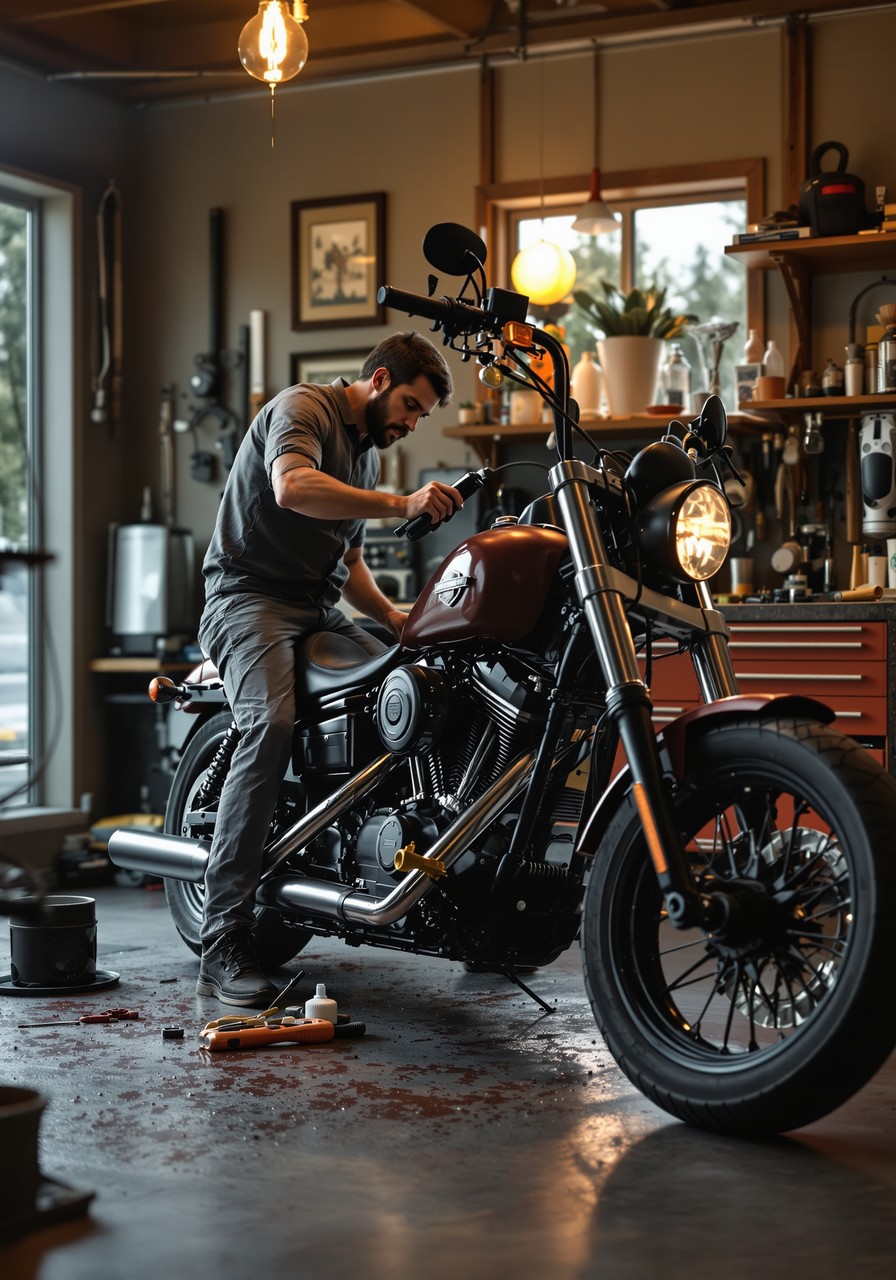
Reflective tape on your panniers and heels costs a few bucks and lights you up in headlights. Cheapest safety upgrade there is. #RideNationOR #GearUp #PNWMoto
Safety & OR Law
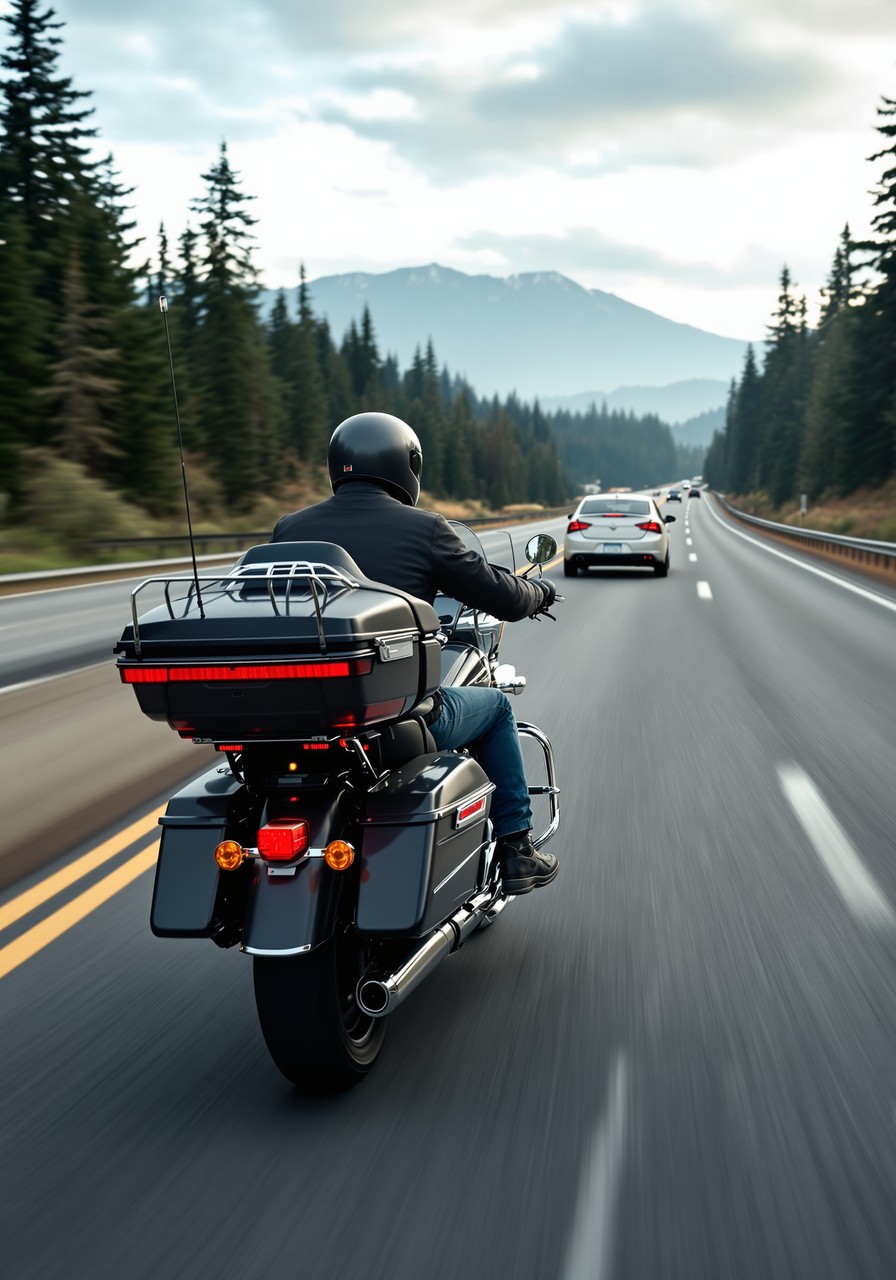
Cameras win motorcycle cases. Traffic cams, doorbells, and dash cams all fade or get overwritten fast. If you were hit, call ELG at (503) 461-5256 before that footage is gone. #RideNationOR #RiderRights #PortlandRiders
Engagement
Fill in the blank: You know it is truly winter in Portland when ______. #RideNationOR #PortlandRiders #PNWMoto
Giveaway & Countdown
The clock is ticking on $20,000. A free case review with ELG is all it takes to enter. Grab your spot at (503) 461-5256. #RideNationOR #MotorcycleGiveaway #20kGiveaway
Local OR & Rides
December in the PNW is about chasing the one dry day. Keep the gear by the door and the tank topped off. #RideNationOR #PacificNorthwest #OregonRiders
Gear & New Iron
Heated grips change winter riding. Warm hands mean sharp control, and sharp control means you react in time. #RideNationOR #GearUp #PNWMoto
Safety & OR Law
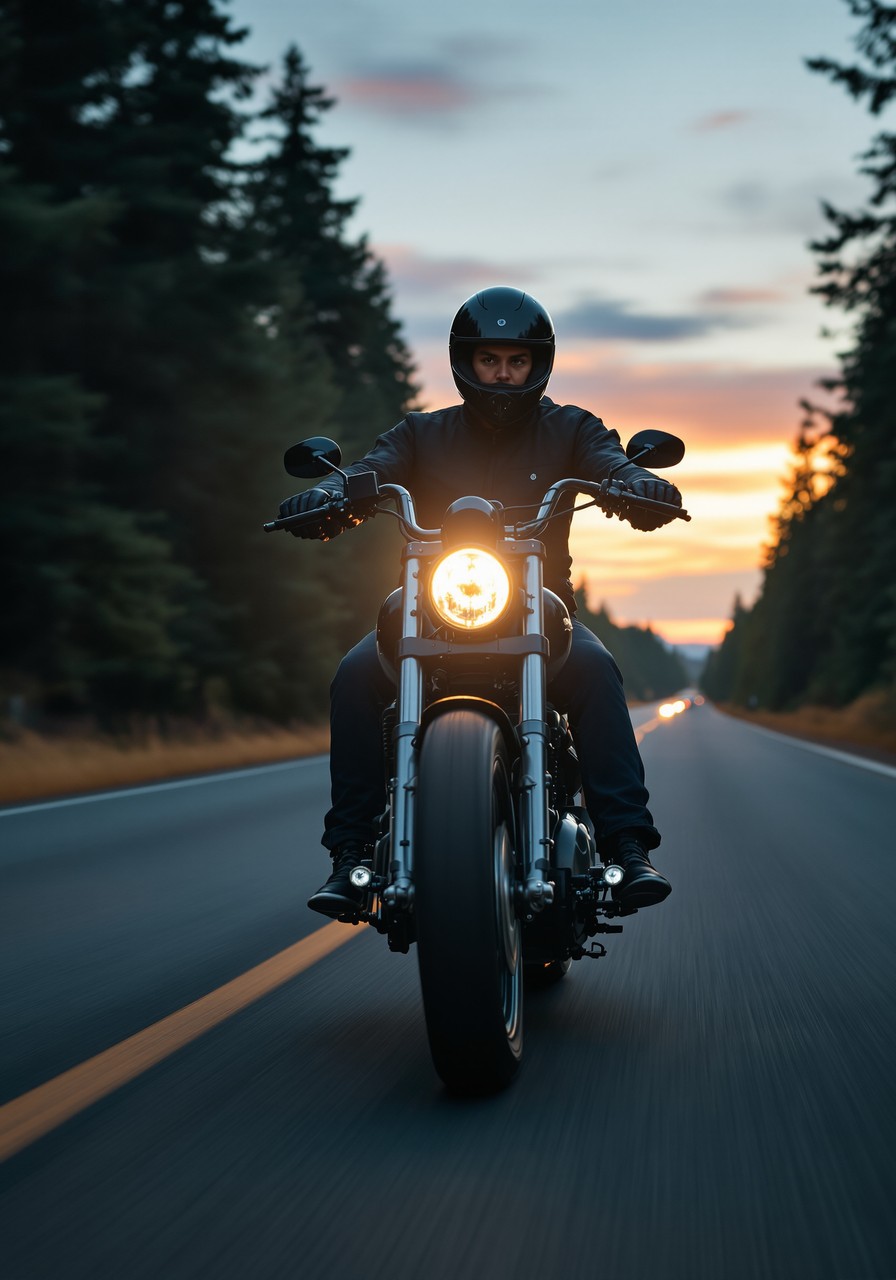
Wet leaves on a Portland side street are as slick as ice. If a fall or a driver left you injured this fall, talk to us. Call ELG at (503) 461-5256. #RideNationOR #MotorcycleSafety #OregonRiders
Engagement
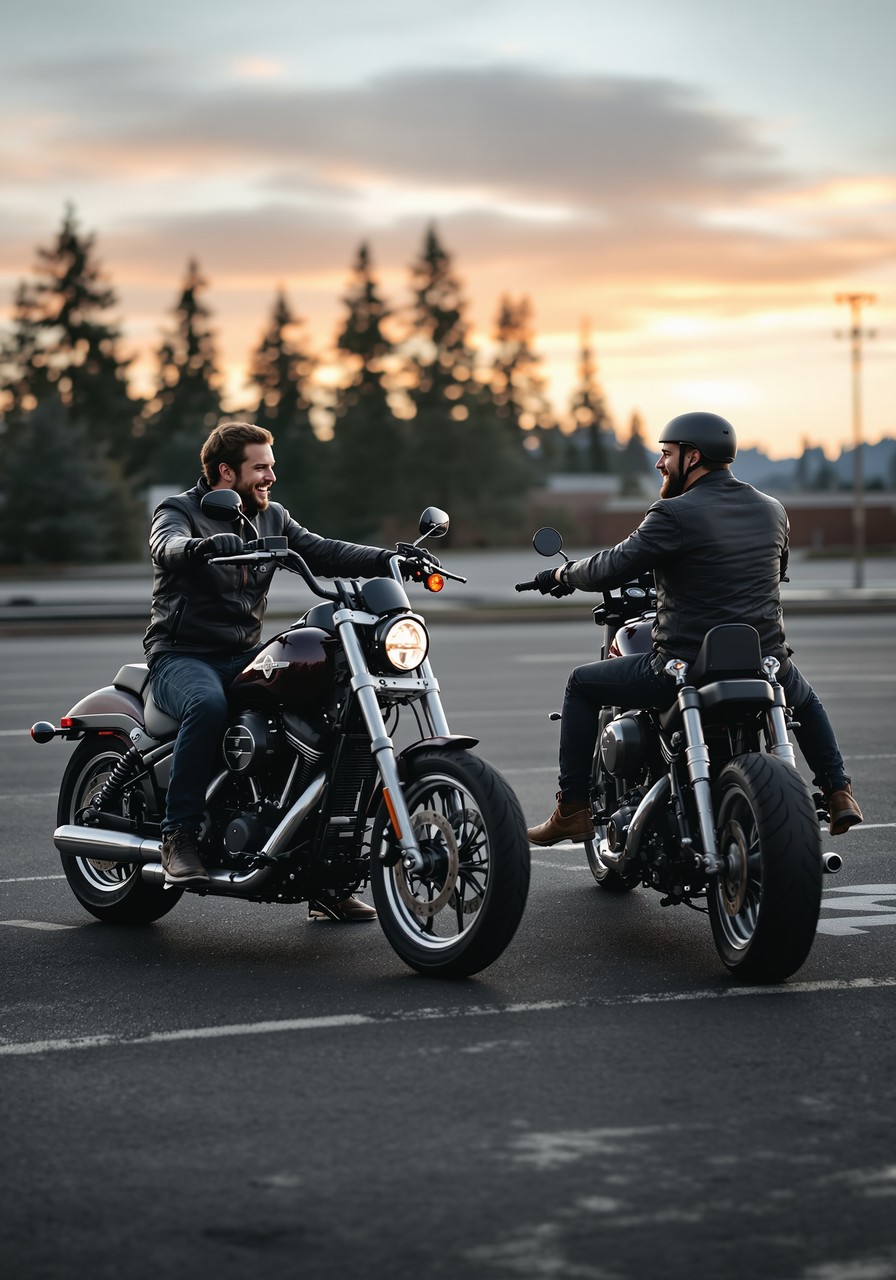
This or that: layer up and ride the cold anyway, or wait it out with cocoa and route planning. No wrong answer. #RideNationOR #OregonRiders #TwoWheels
Giveaway & Countdown
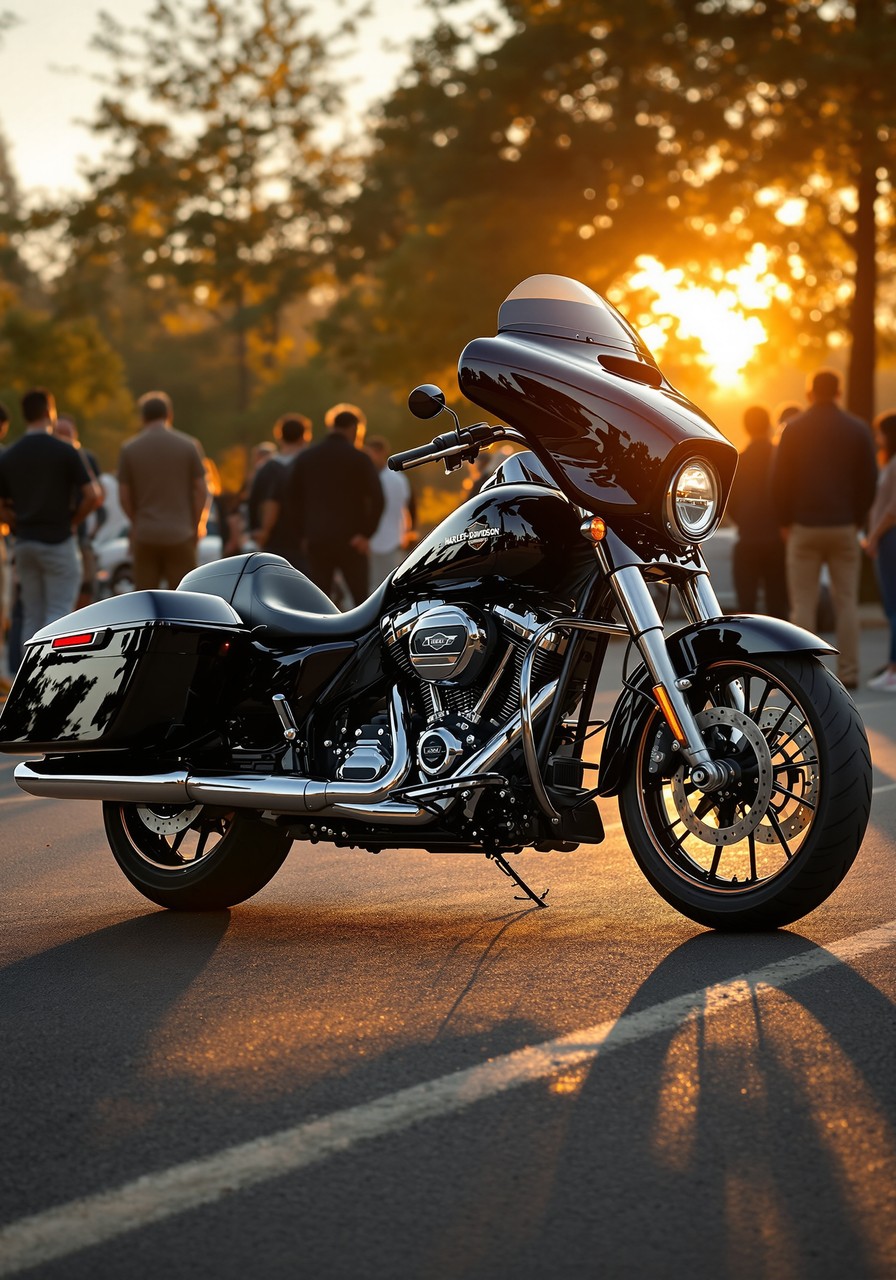
Down and out of pocket after a crash? Let us look at it free, and you are entered to win $20K. (503) 461-5256. #RideNationOR #BikersWin #OregonRiders
Local OR & Rides
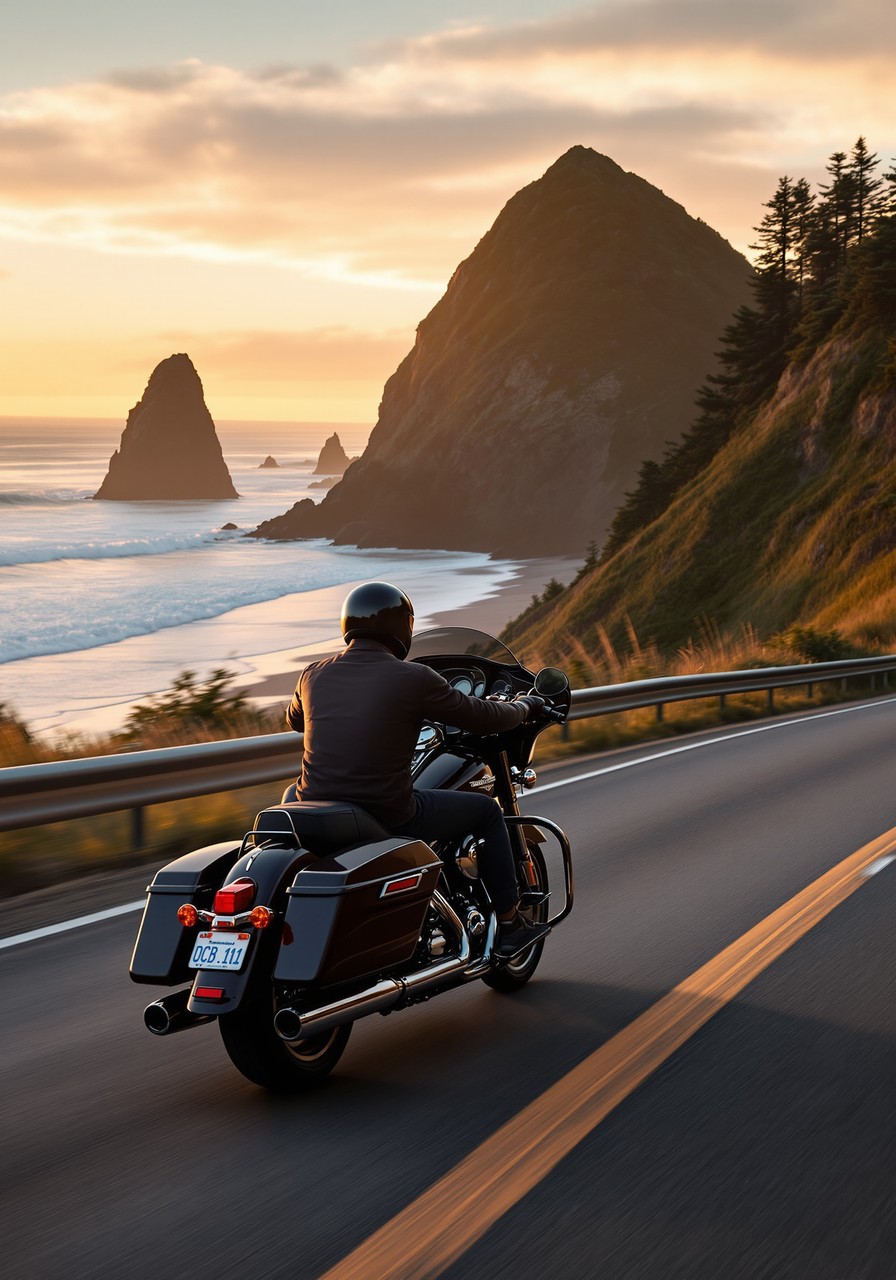
Backroads out past Sandy hold moss and gravel through the wet months. Scan the apex before you commit. #RideNationOR #OregonRiders #MotorcycleRoads
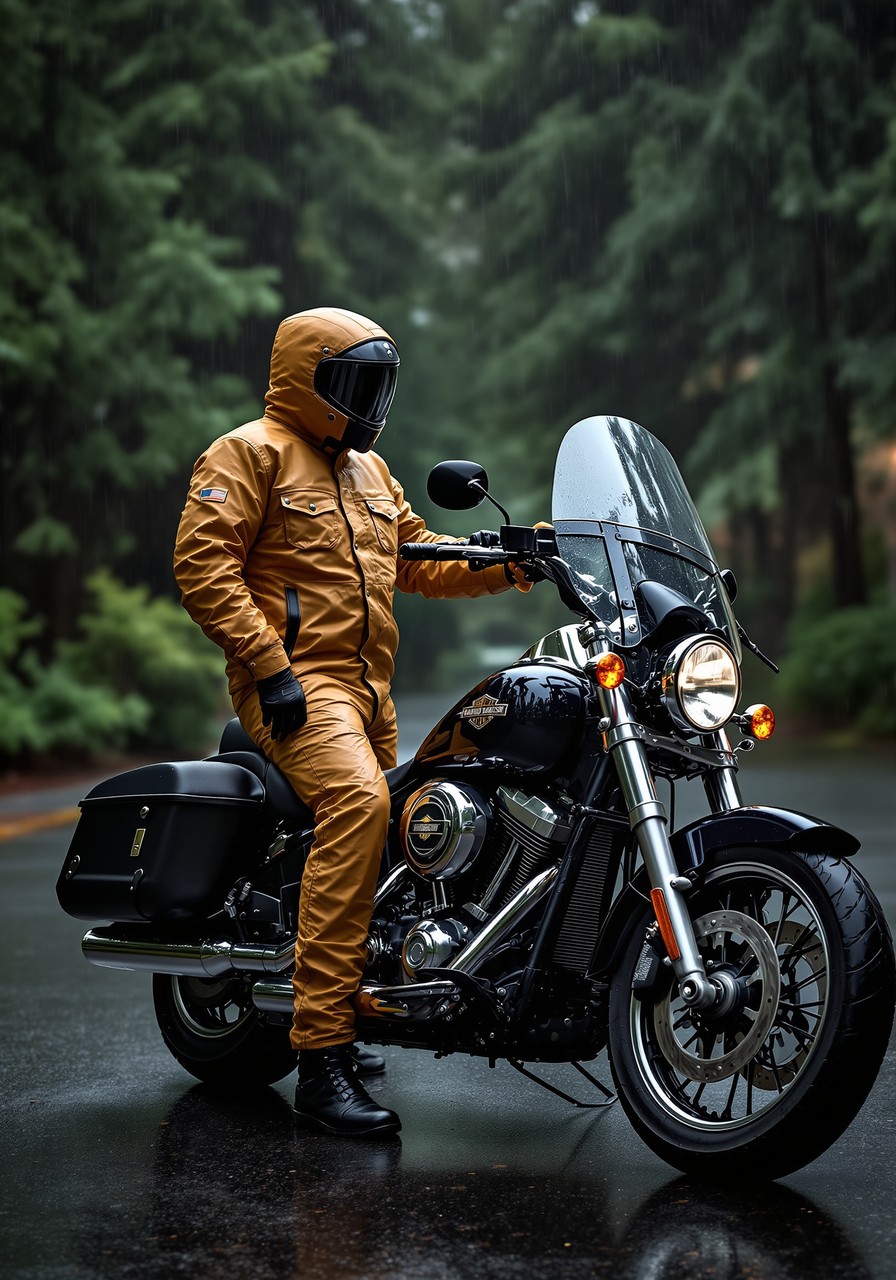
Gear & New Iron
Heated gear is the PNW cheat code. A heated vest under your shell turns a miserable 40-degree commute into an easy one. #RideNationOR #GearUp #RiderTips
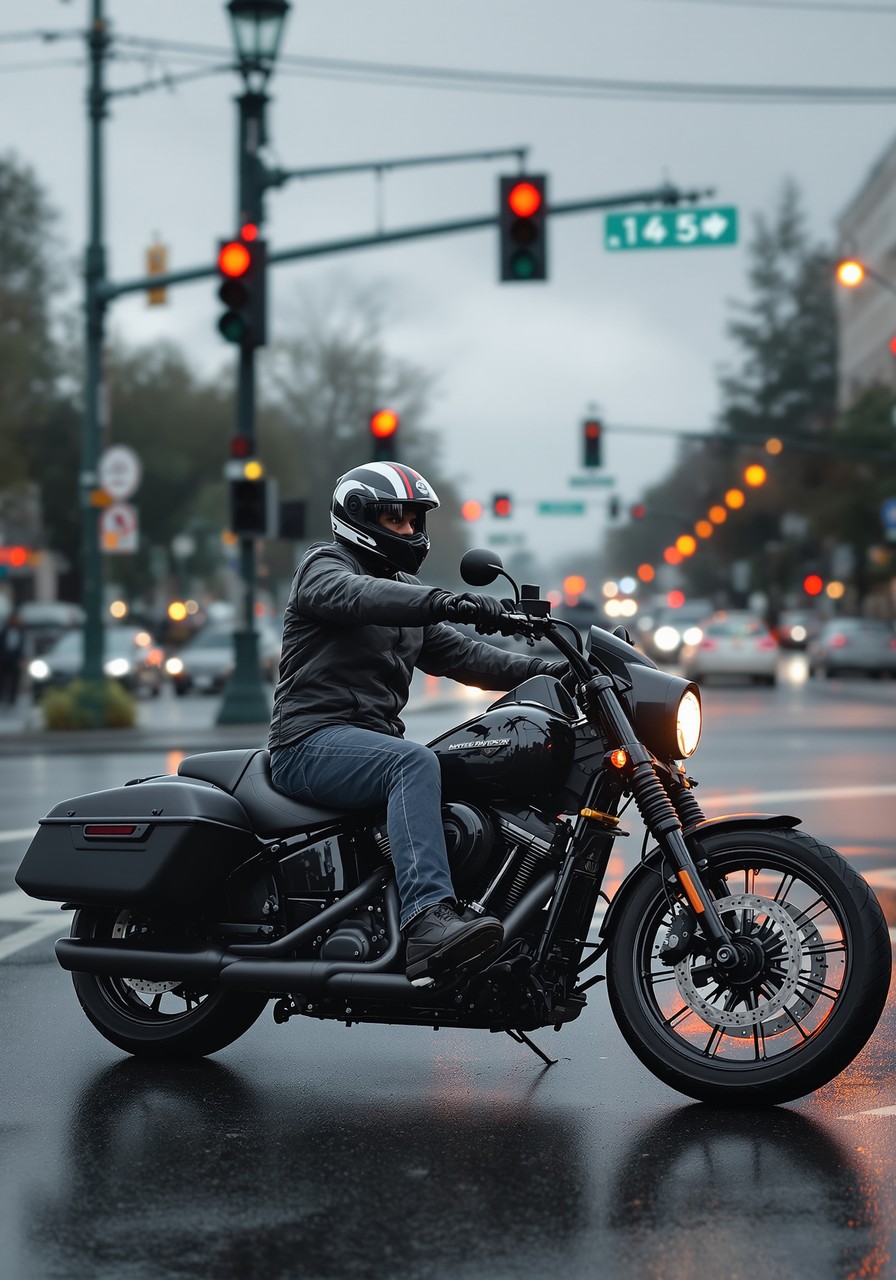
Safety & OR Law
Oregon requires a DOT helmet for every rider and passenger. Wearing yours does not hurt your claim, it protects your life. Hurt anyway? Call ELG at (503) 461-5256. #RideNationOR #ATGATT #RiderRights
Engagement
Two words to describe your last ride before the wet season hit. Go. #RideNationOR #PacificNorthwest #PortlandRiders
Giveaway & Countdown
Your entry, your questions, one easy call. Talk to ELG about your motorcycle crash and join the giveaway. (503) 461-5256. #RideNationOR #20kGiveaway #PNWMoto
Local OR & Rides
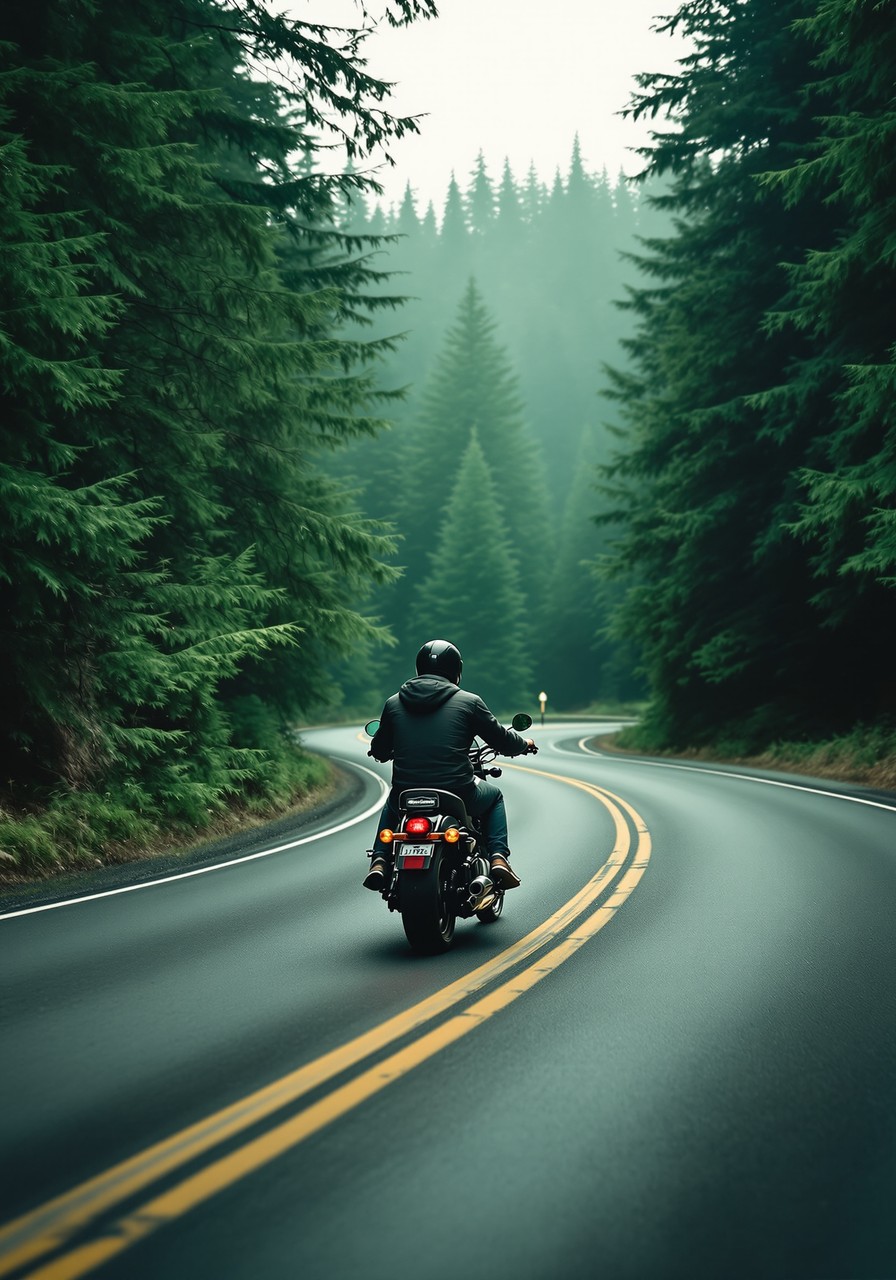
The first Gorge run of the year is a rite of passage. Wait for the road crews to sweep the winter gravel first. #RideNationOR #ColumbiaGorge #PNWMoto
Gear & New Iron
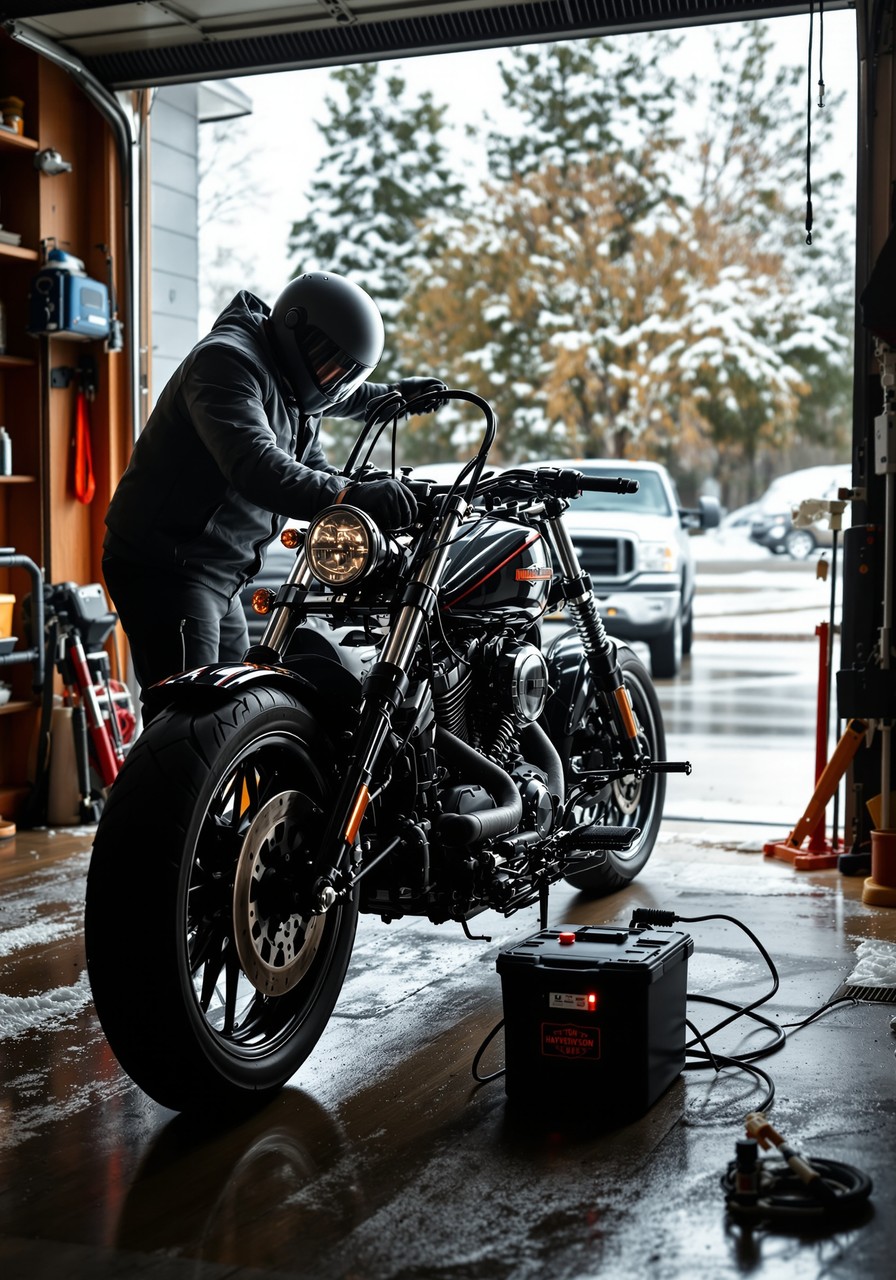
Layer smart: wicking base, warm mid, waterproof shell. Cotton holds cold and wet, so keep it off the bike. #RideNationOR #RainGear #PNWMoto
Safety & OR Law
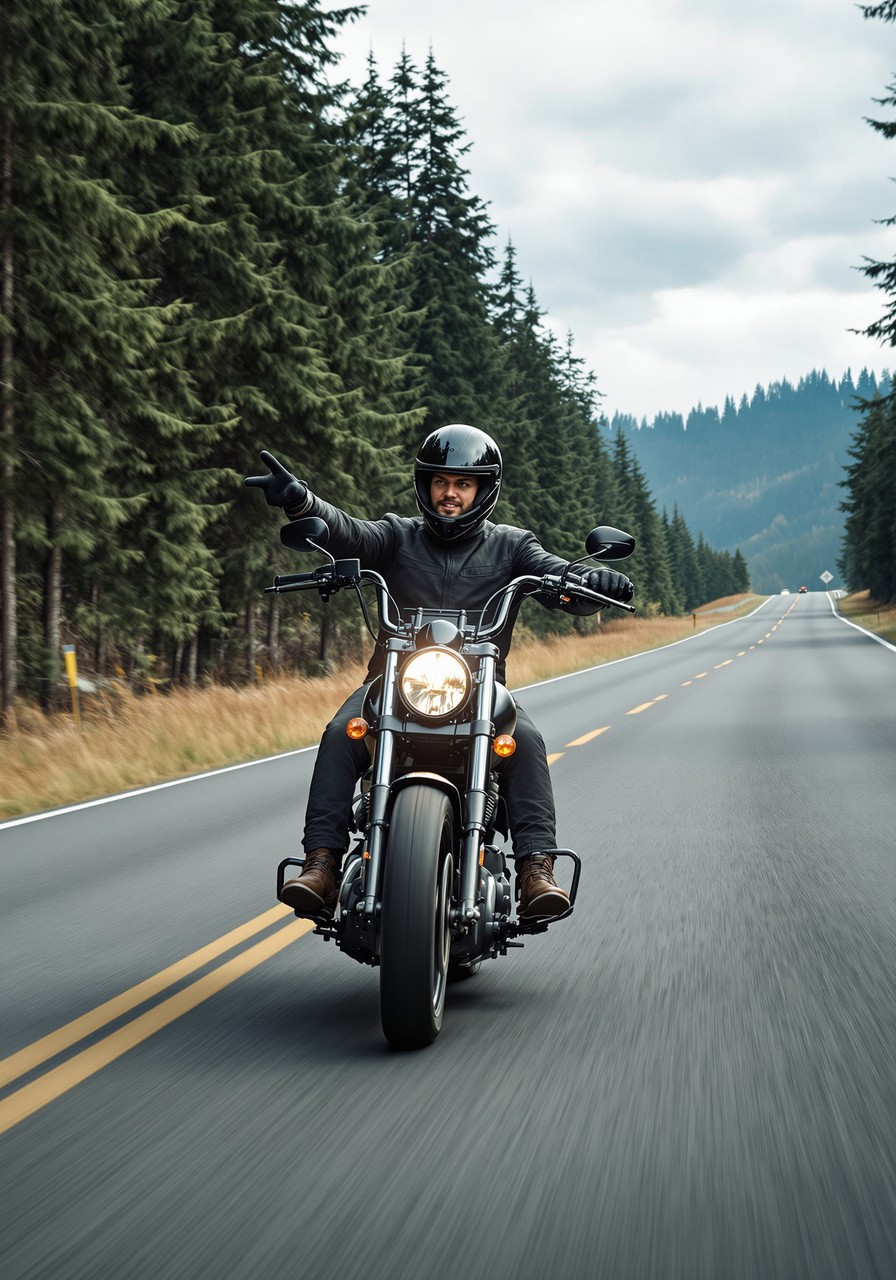
With no PIP on the bike, your health insurance often pays first after a crash. Coordinating that with the at-fault driver's coverage gets messy. Let ELG handle it. Call (503) 461-5256. #RideNationOR #RiderRights #OregonRiders
Engagement
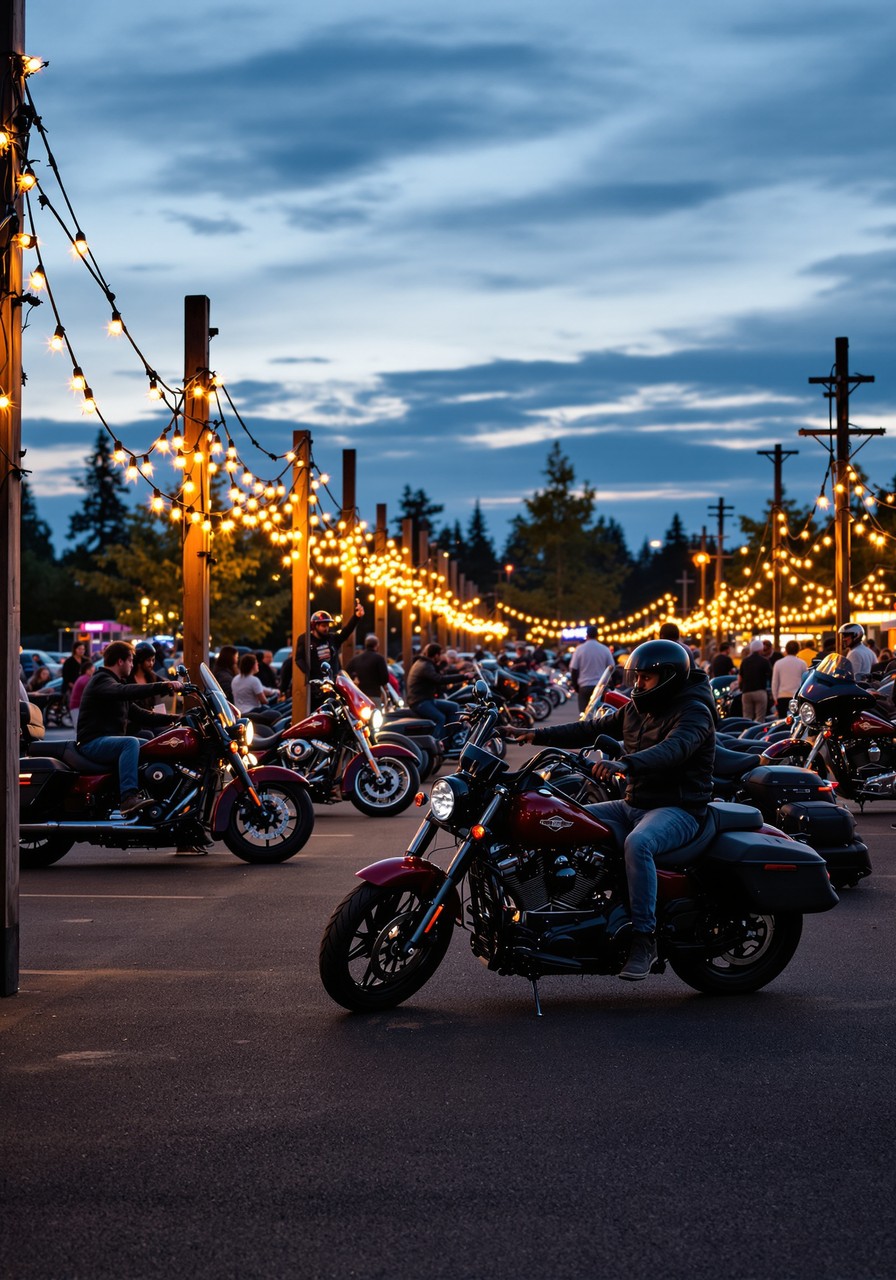
Poll: your winter project is (a) new tires, (b) fresh chain, (c) full detail, (d) all of the above and then some. #RideNationOR #PNWMoto #TwoWheels
Giveaway & Countdown
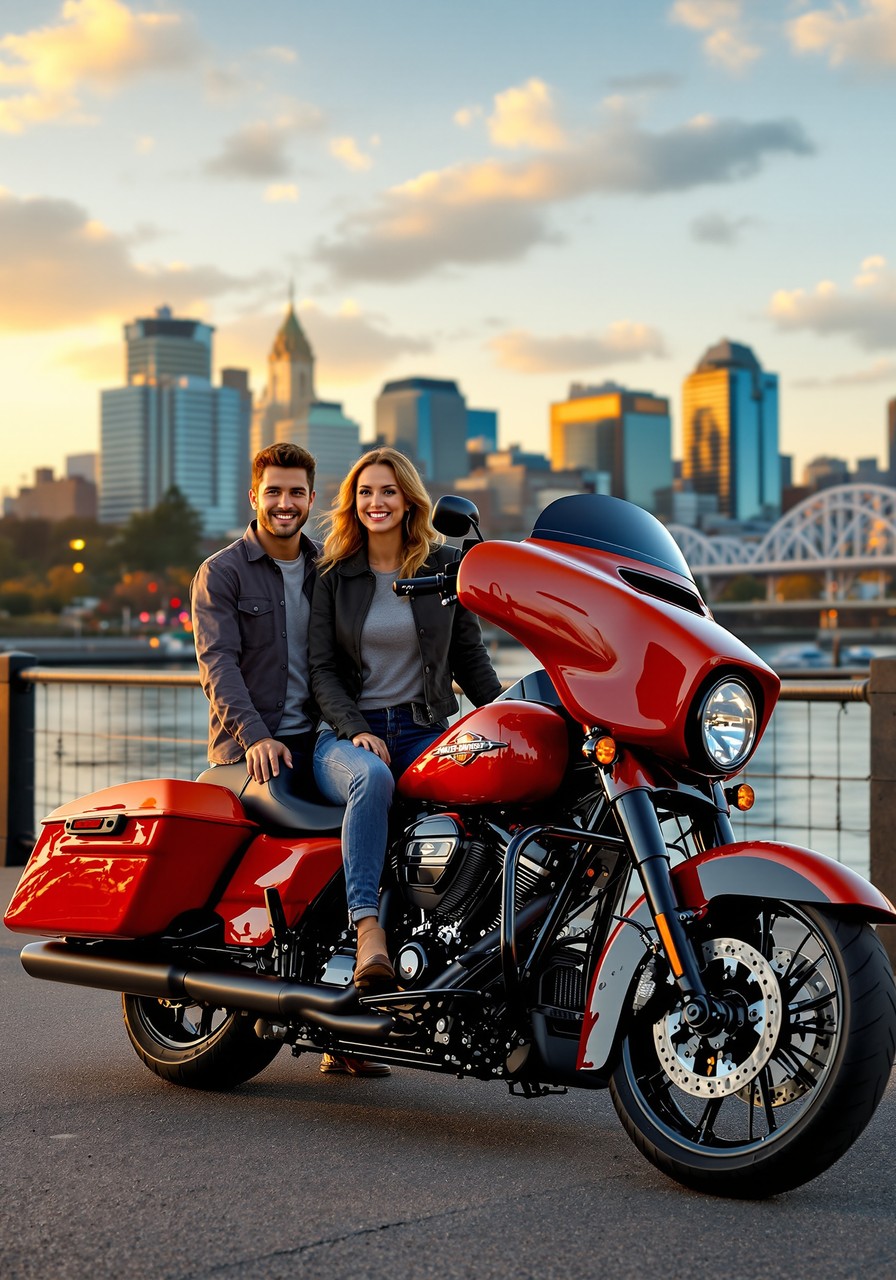
Do not miss your shot at $20,000, Portland. A free review of your crash is your ticket in. Call (503) 461-5256 today. #RideNationOR #BikersWin #PortlandRiders
Local OR & Rides
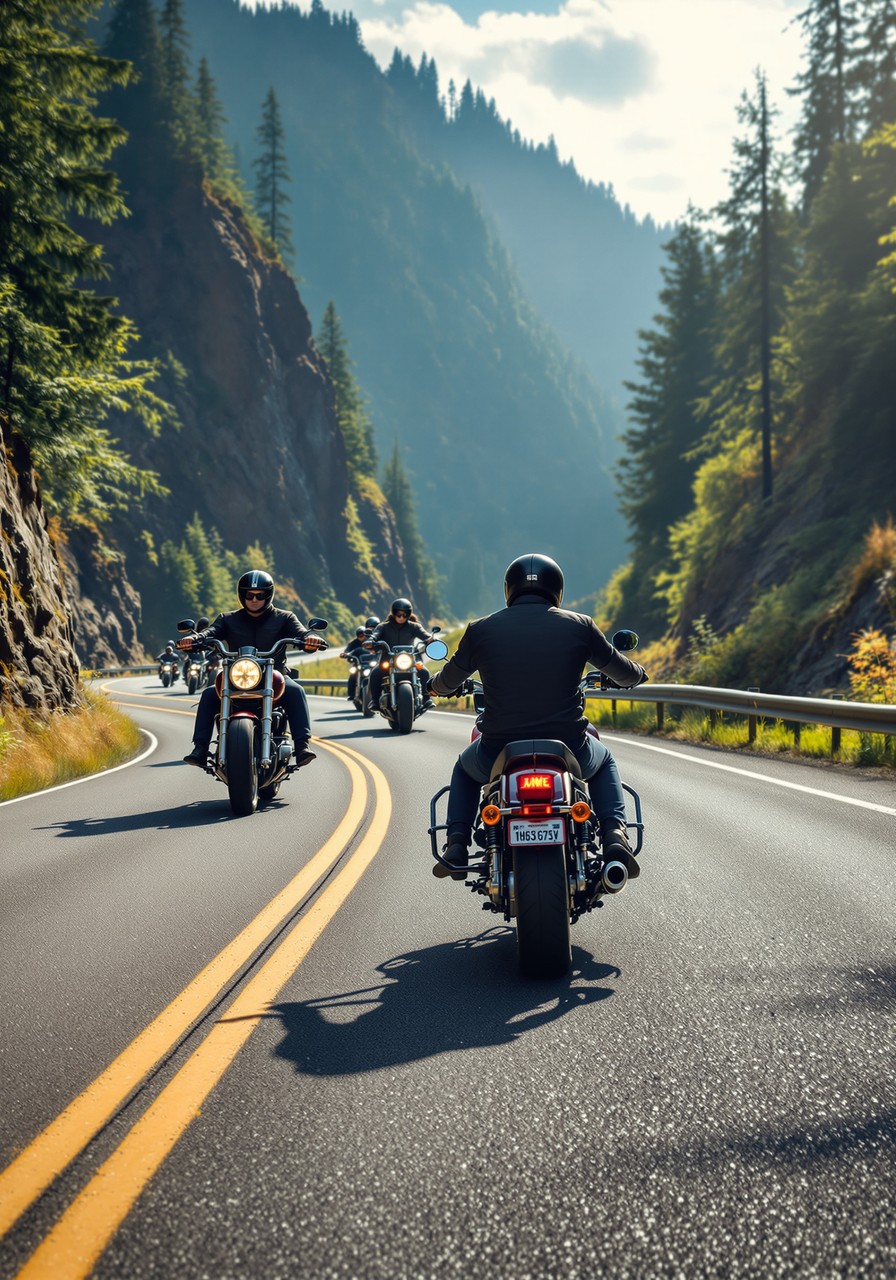
I-5 through town is just transport, not the ride. Get off at the river and take the surface streets when traffic packs in. #RideNationOR #PortlandRiders
Gear & New Iron
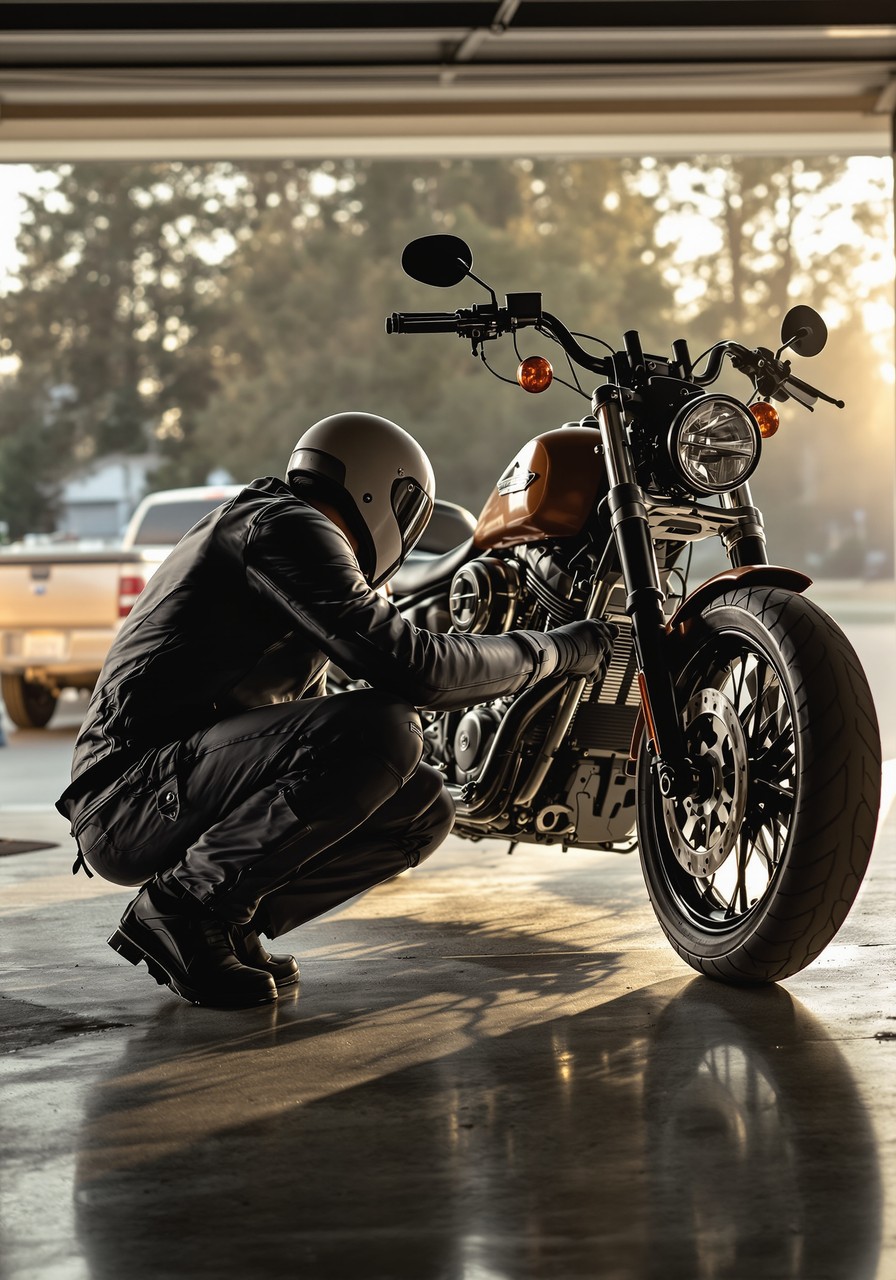
A good base layer does half the work. It moves sweat off your skin so you stay warm and dry under the armor. #RideNationOR #GearUp #RiderTips
Safety & OR Law
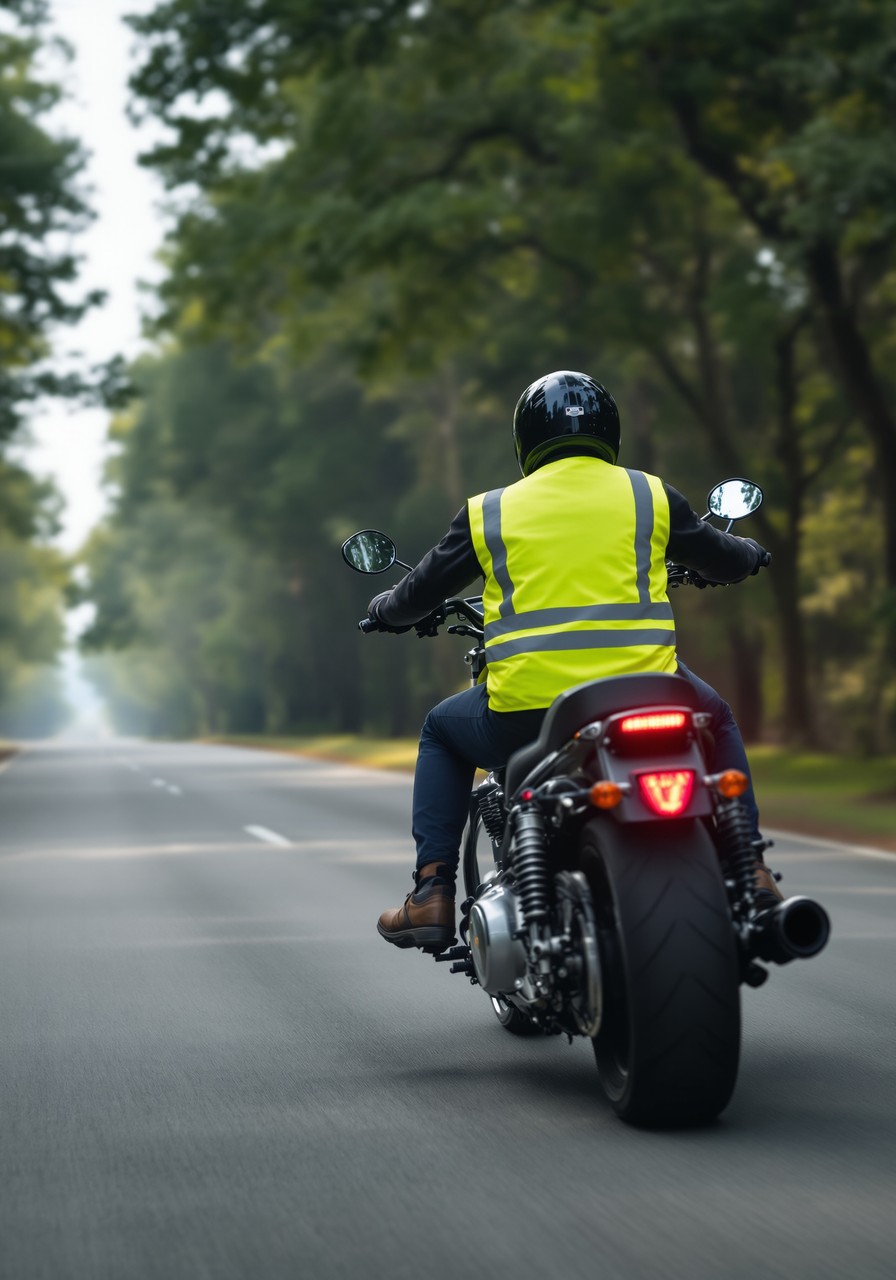
An underinsured driver can leave you thousands short on a serious injury. Your UIM coverage fills that gap if you have it. Not sure? Call ELG at (503) 461-5256. #RideNationOR #KnowYourRights #OregonRiders
Engagement
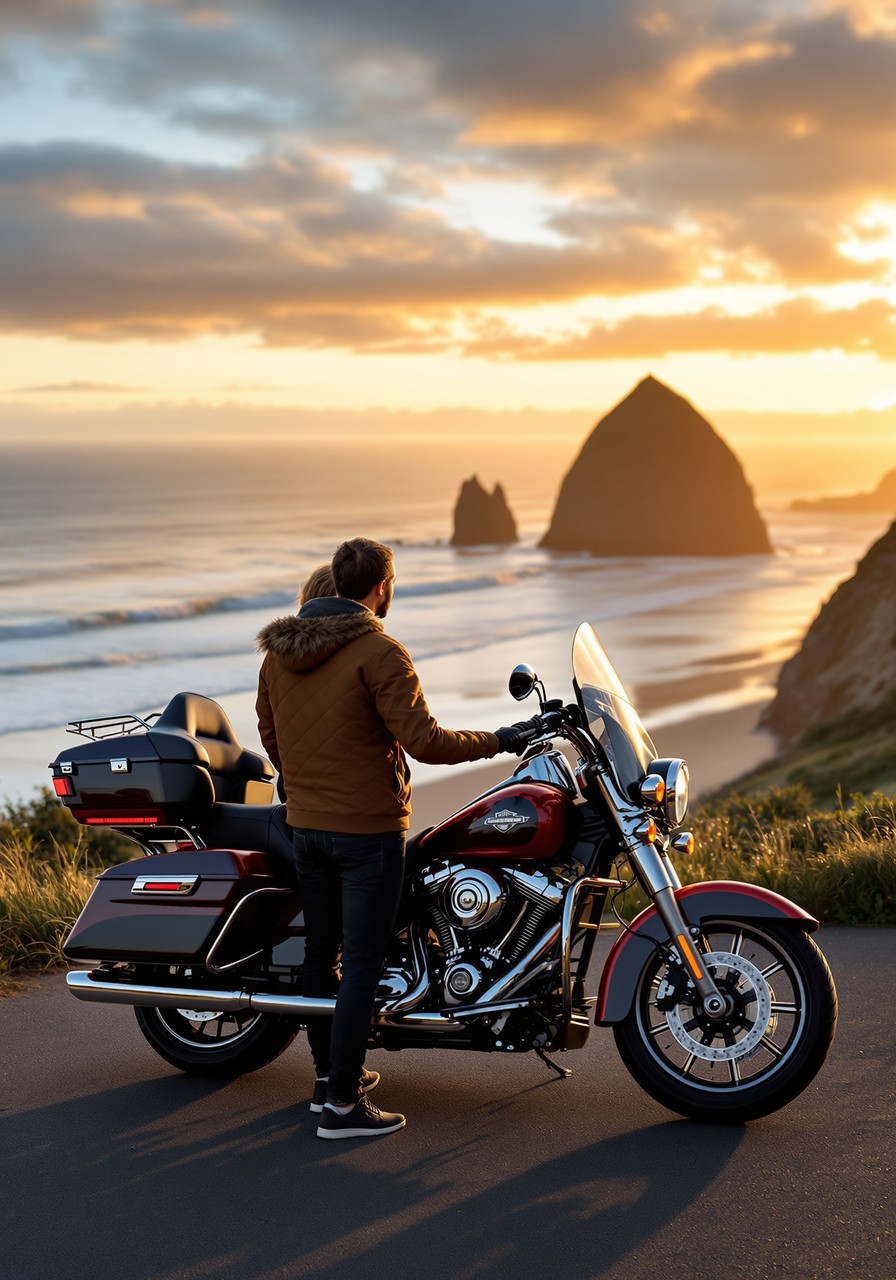
Caption this: a lone dry lane on a slick morning, steam rising off the pavement, and it is calling your name. #RideNationOR #OregonRiders #ColumbiaGorge
Giveaway & Countdown
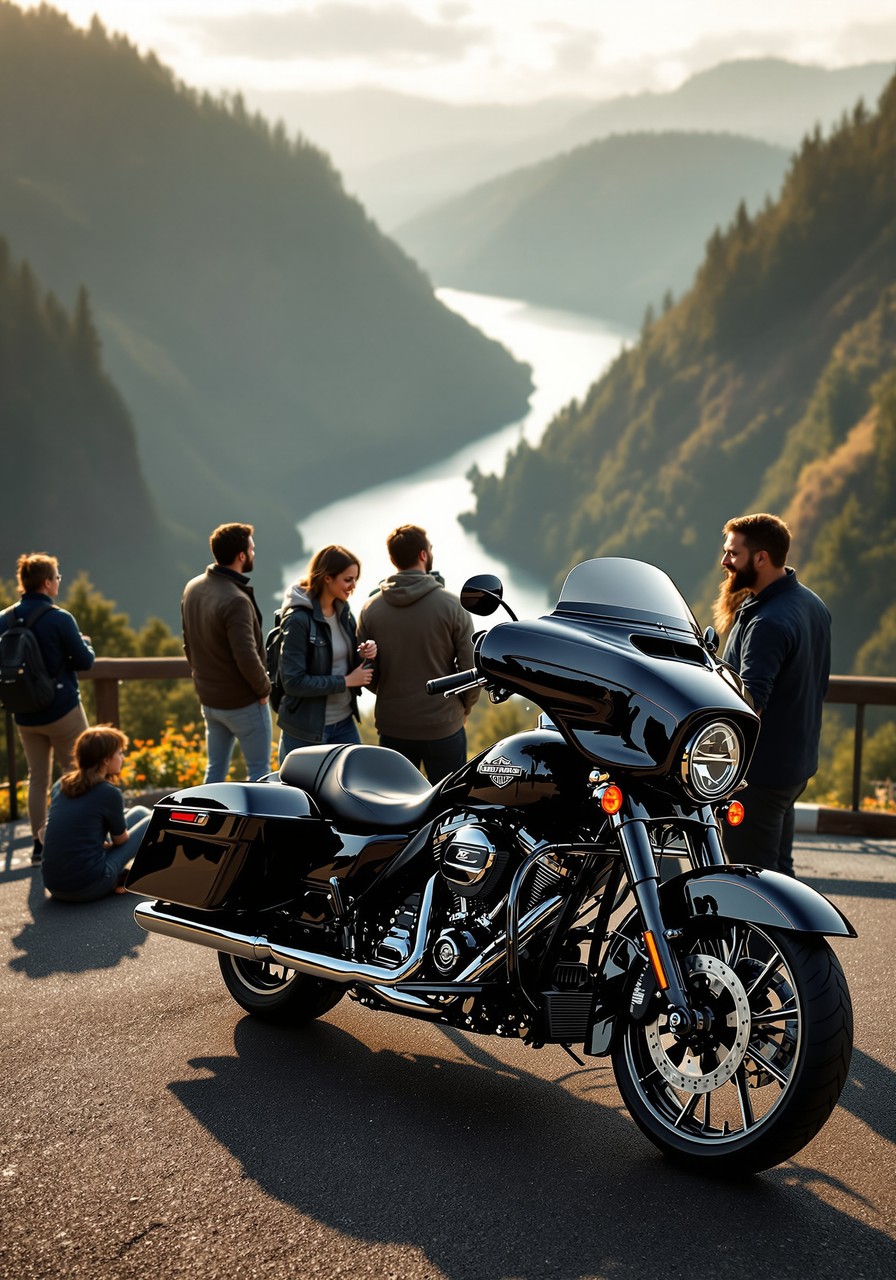
Free case review. Free entry. Twenty thousand reasons to call. ELG is at (503) 461-5256. #RideNationOR #MotorcycleGiveaway #20kGiveaway
Local OR & Rides
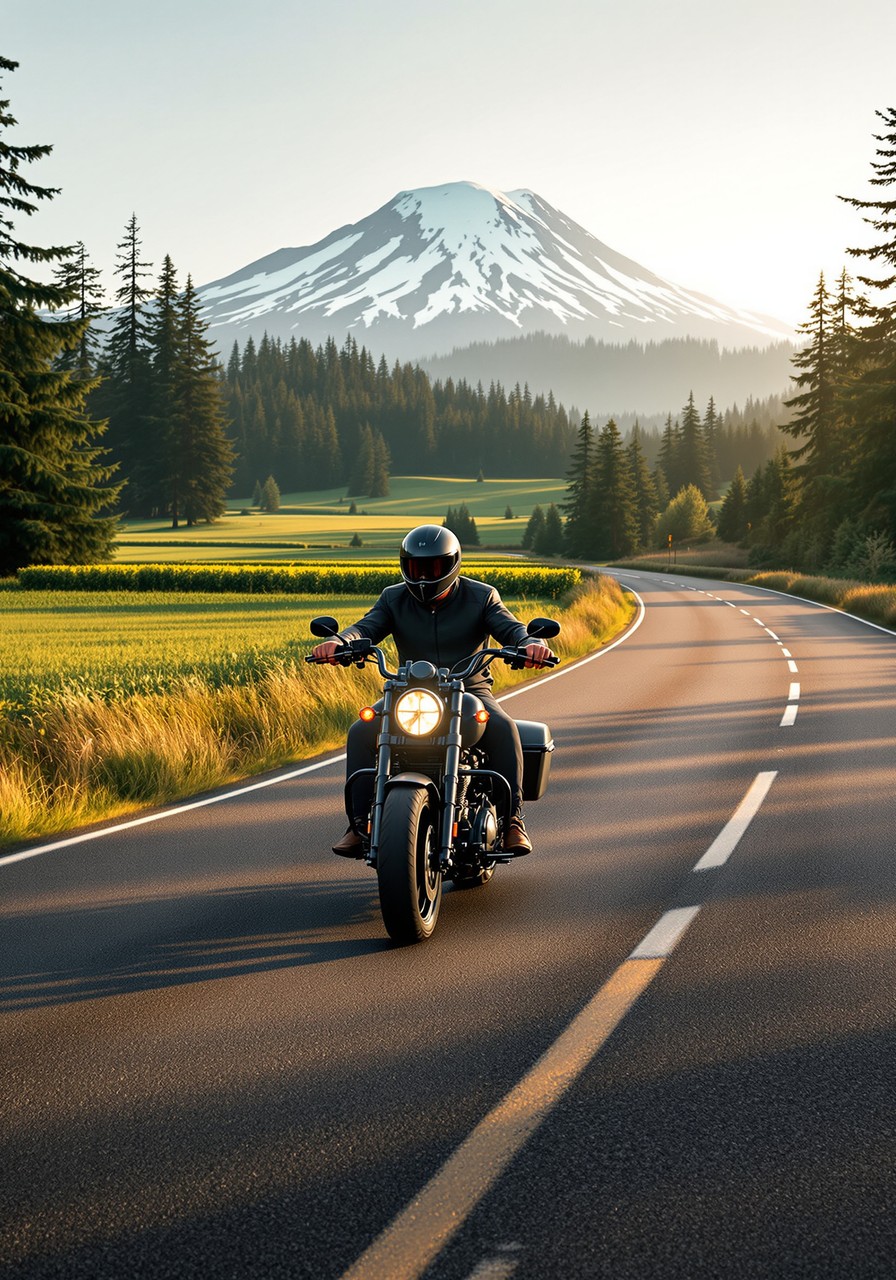
I-84 east into the Gorge with the wind at your back is a straight shot to the good stuff. Watch the crosswinds near Hood River. #RideNationOR #ColumbiaGorge
Gear & New Iron
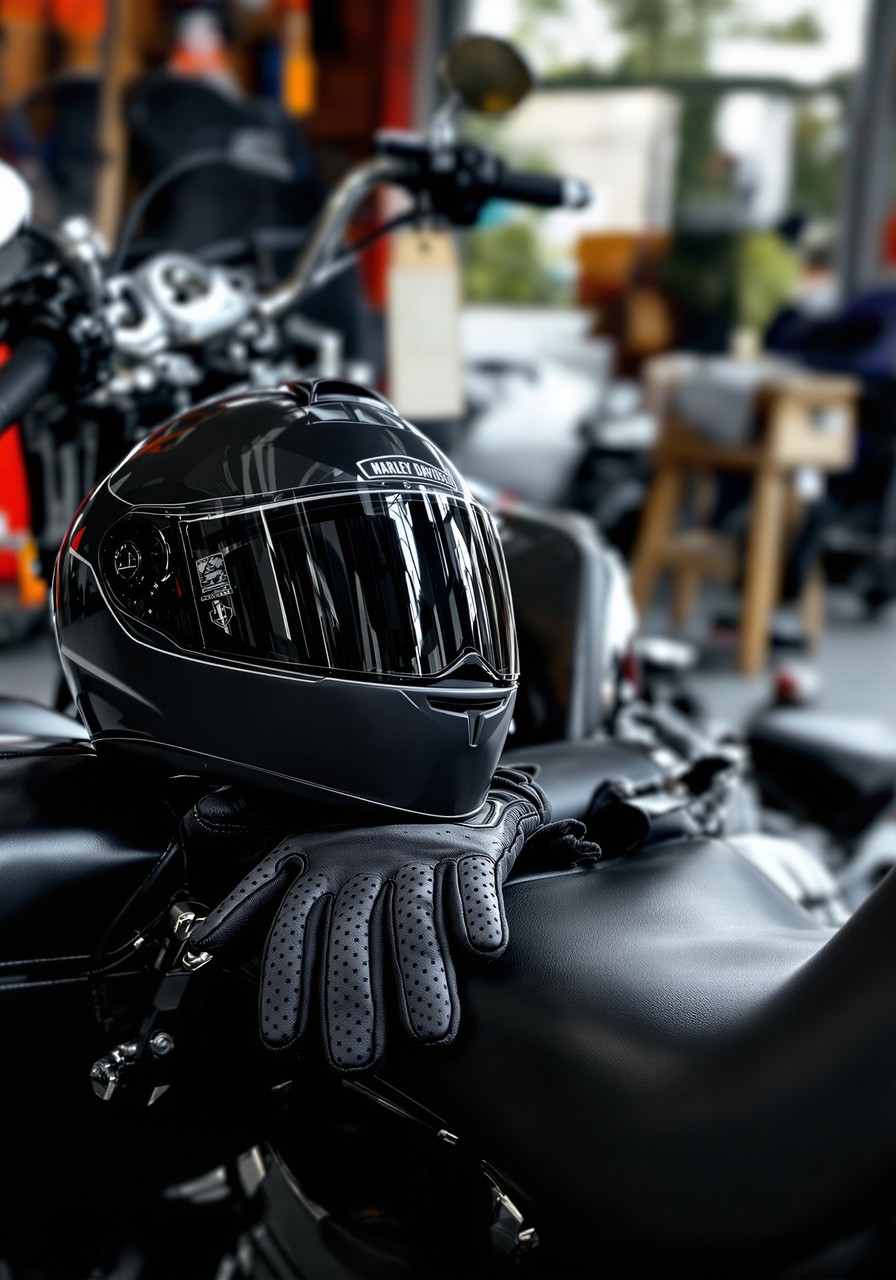
Waterproof boots keep the ride tolerable. Wet feet at mile ten make the last twenty miles pure misery. #RideNationOR #RainGear #ATGATT
Safety & OR Law
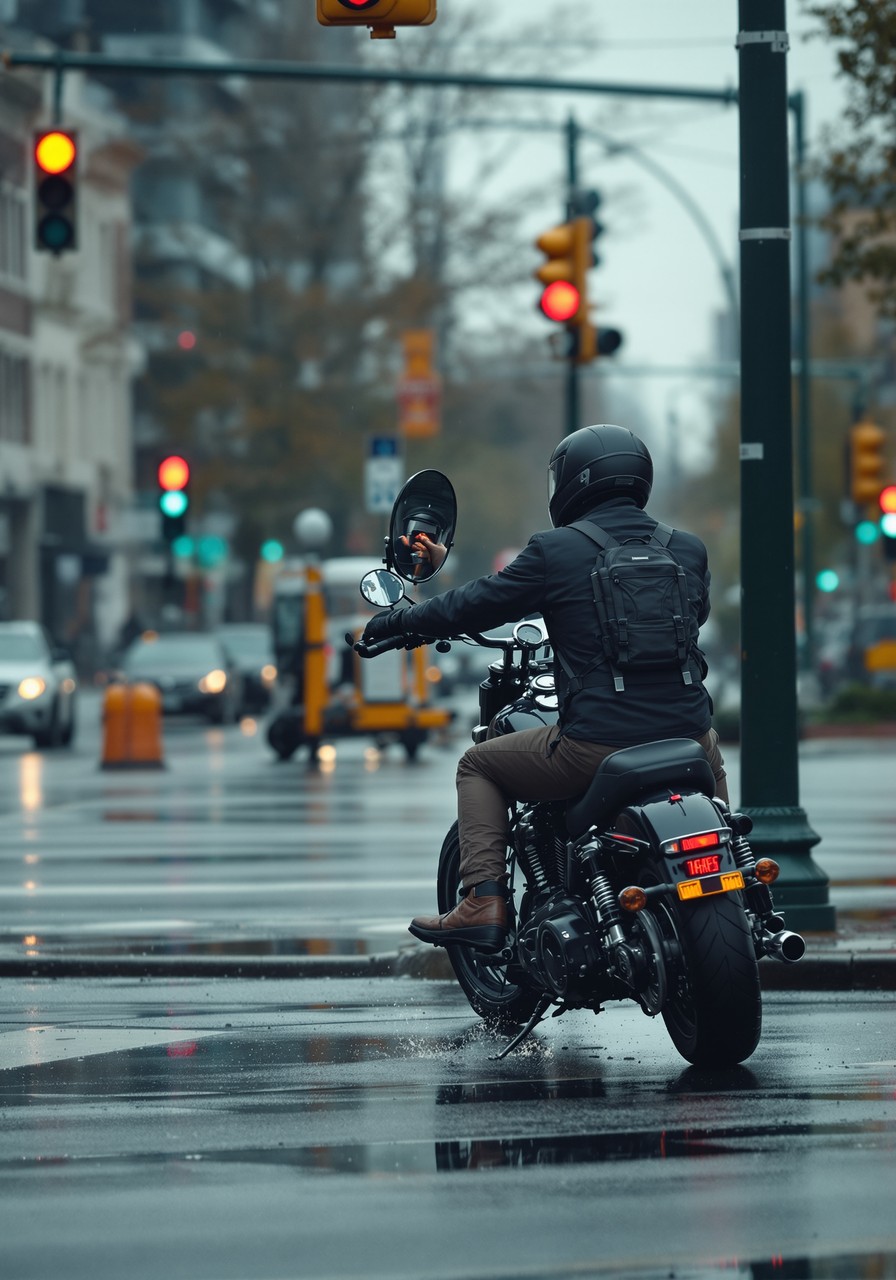
After a crash, document everything: the scene, the other driver, the plates, the witnesses. Then let someone protect it. Call ELG at (503) 461-5256. #RideNationOR #RiderRights #PortlandRiders
Engagement
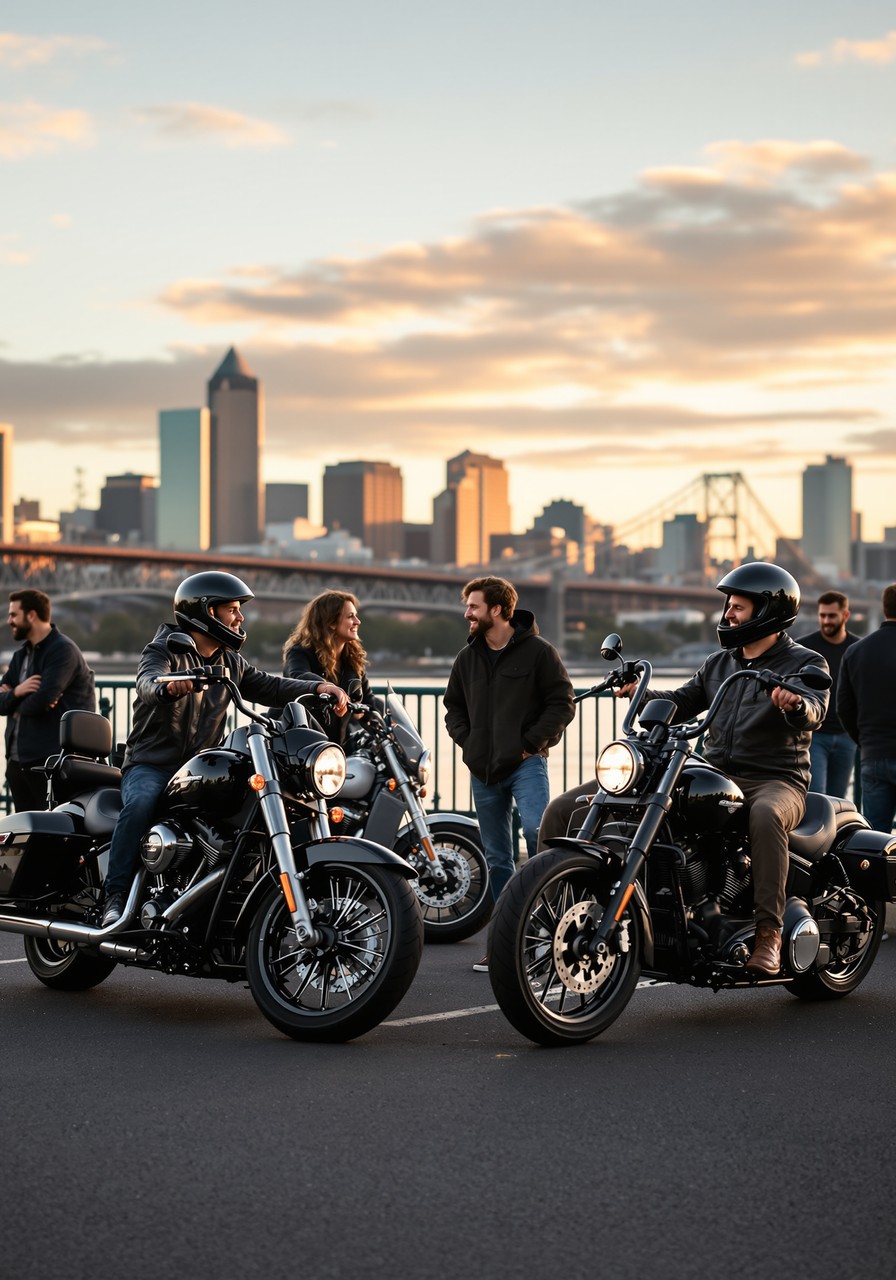
Favorite PNW ride song? The one that gets stuck in your head at 55 on the Hood loop. #RideNationOR #MountHood #PortlandRiders
Giveaway & Countdown
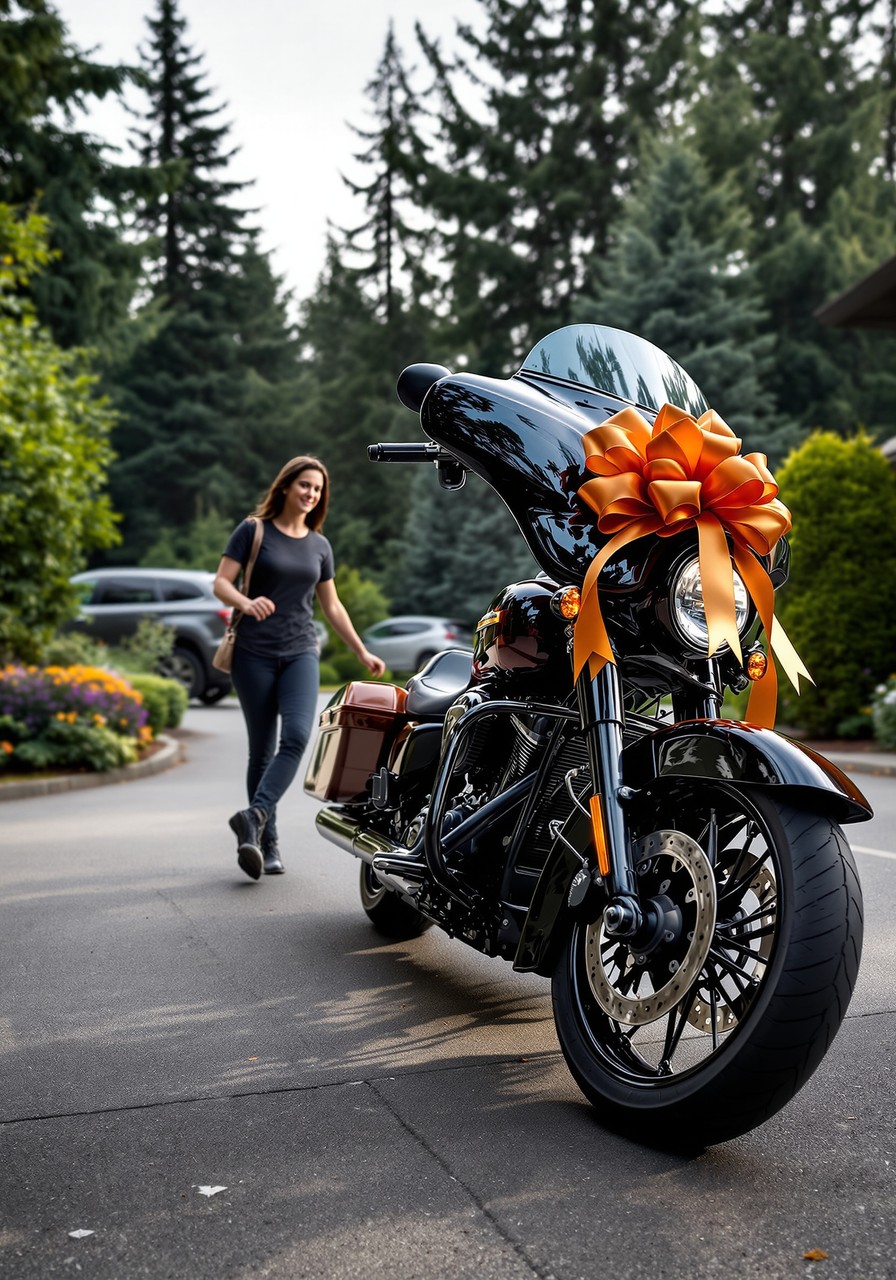
Been in a wreck this year? Let us help you sort it and enter you in the BikersWin giveaway, all free. (503) 461-5256. #RideNationOR #BikersWin #OregonRiders
Local OR & Rides
US-26, the Sunset Highway, is your fast line to the coast. Fuel up in the trees before the last stretch. #RideNationOR #OregonCoast #PacificNorthwest
Gear & New Iron
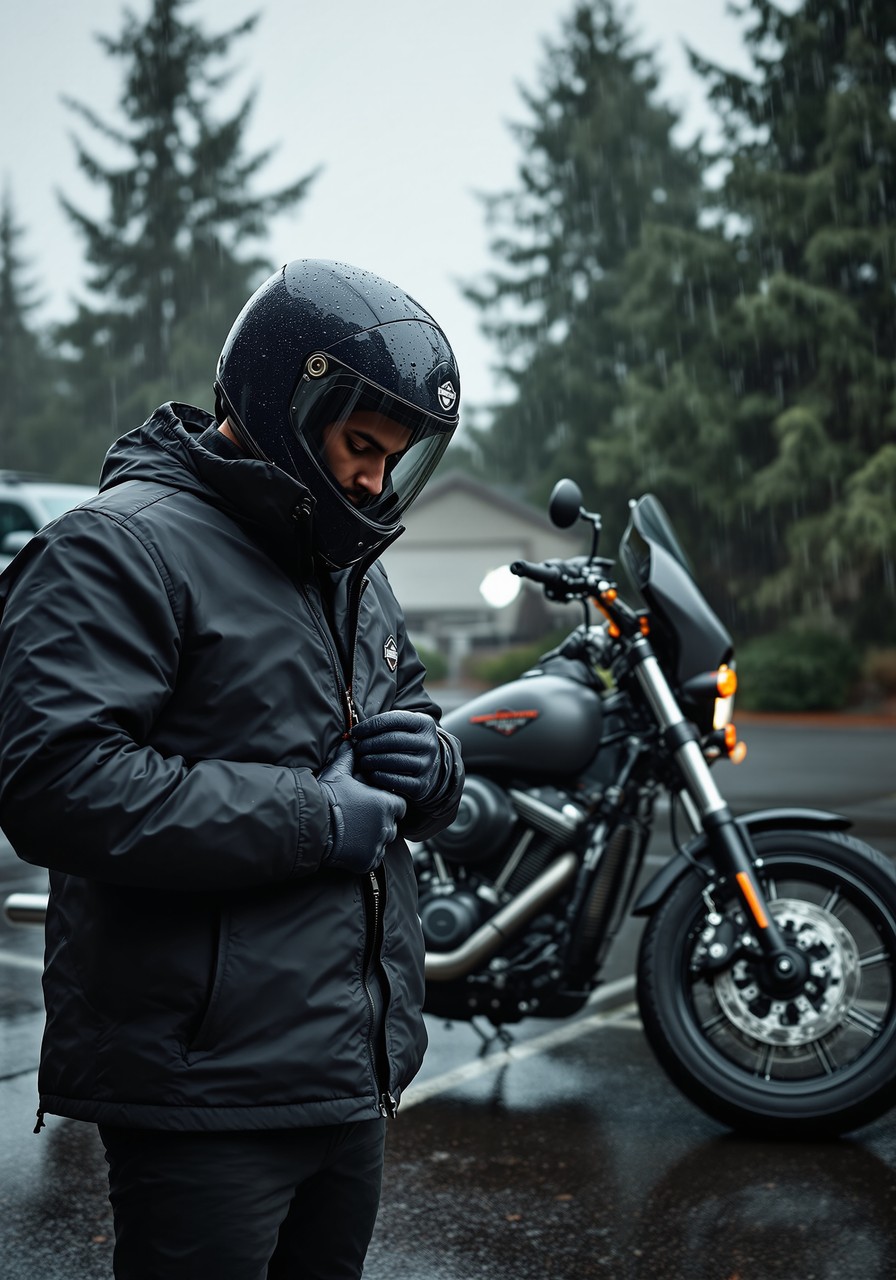
Over-the-ankle boots with real protection, not sneakers. Your ankles take the hit in a low-speed tip-over. #RideNationOR #ATGATT #GearUp
Safety & OR Law
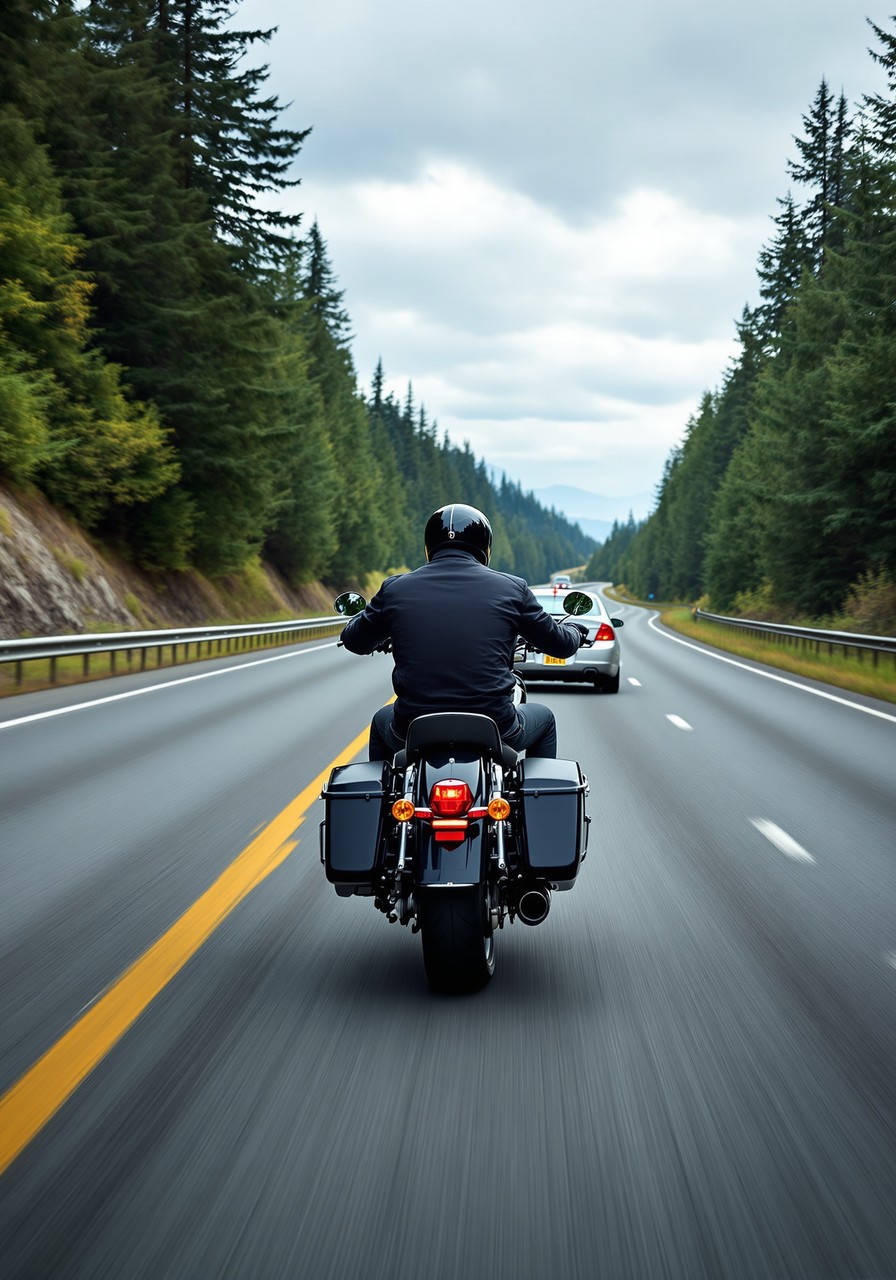
Insurance adjusters call riders early and fast, hoping you talk before you know your rights. You do not owe them a recorded statement. Call ELG first at (503) 461-5256. #RideNationOR #RiderRights #KnowYourRights
Engagement
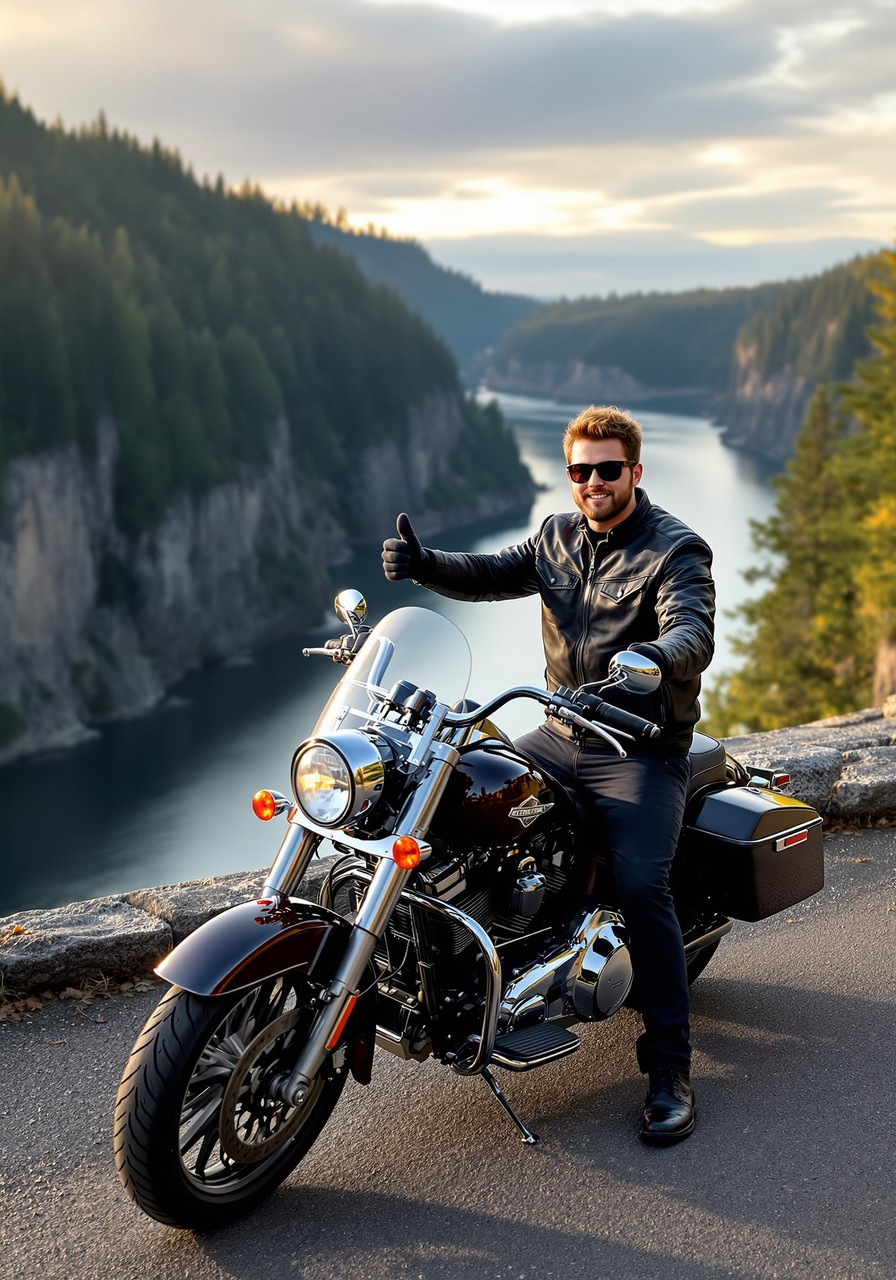
Tag your newest riding buddy, the one who just got their first bike and needs the good routes. #RideNationOR #RideOrDie #OregonRiders
Giveaway & Countdown
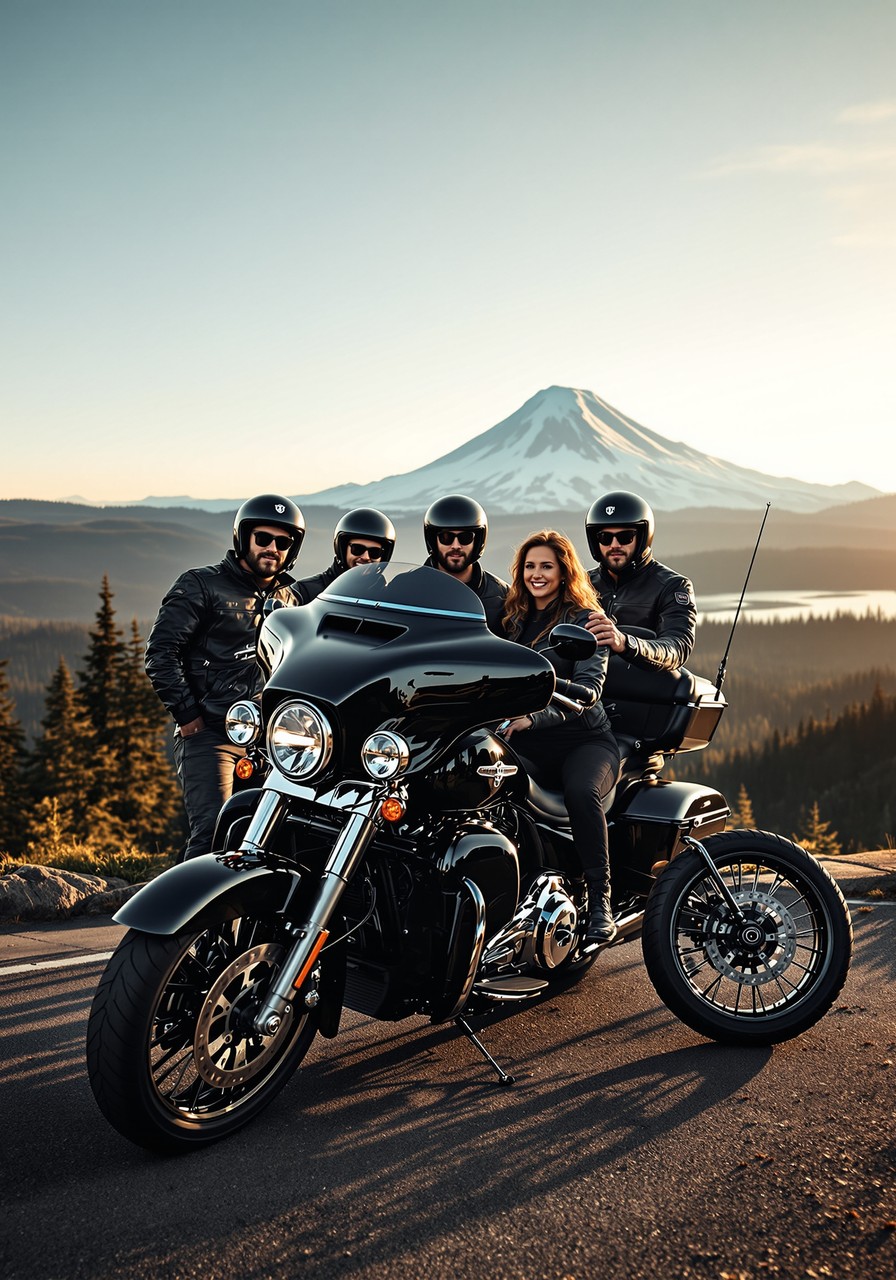
Ask us anything about the $20K giveaway and your crash on one free call. No pressure, all rider. (503) 461-5256. #RideNationOR #20kGiveaway #PNWMoto
Local OR & Rides
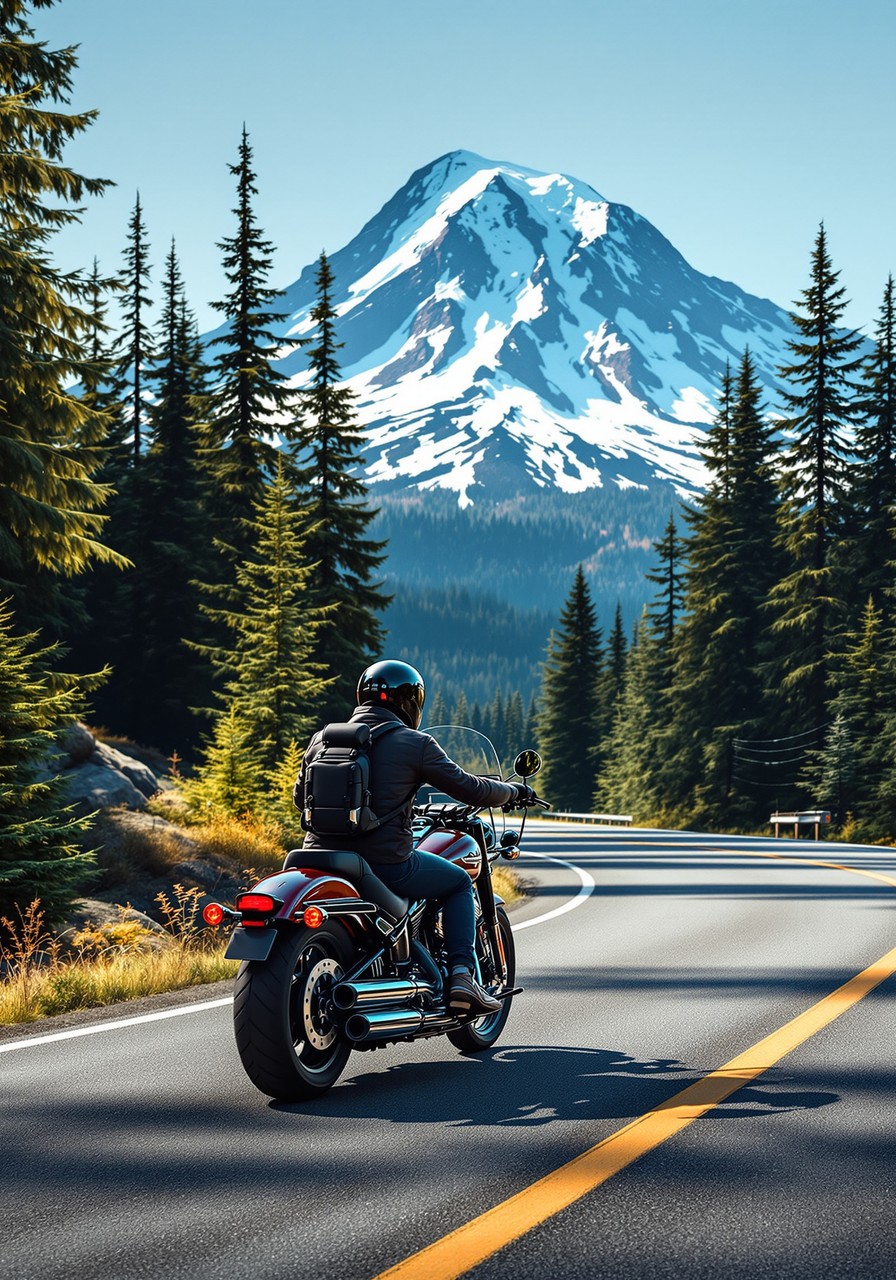
Larch Mountain Road off the Historic Highway is all switchbacks and old-growth. Save it for a dry summer evening. #RideNationOR #ColumbiaGorge #MotorcycleRoads
Gear & New Iron
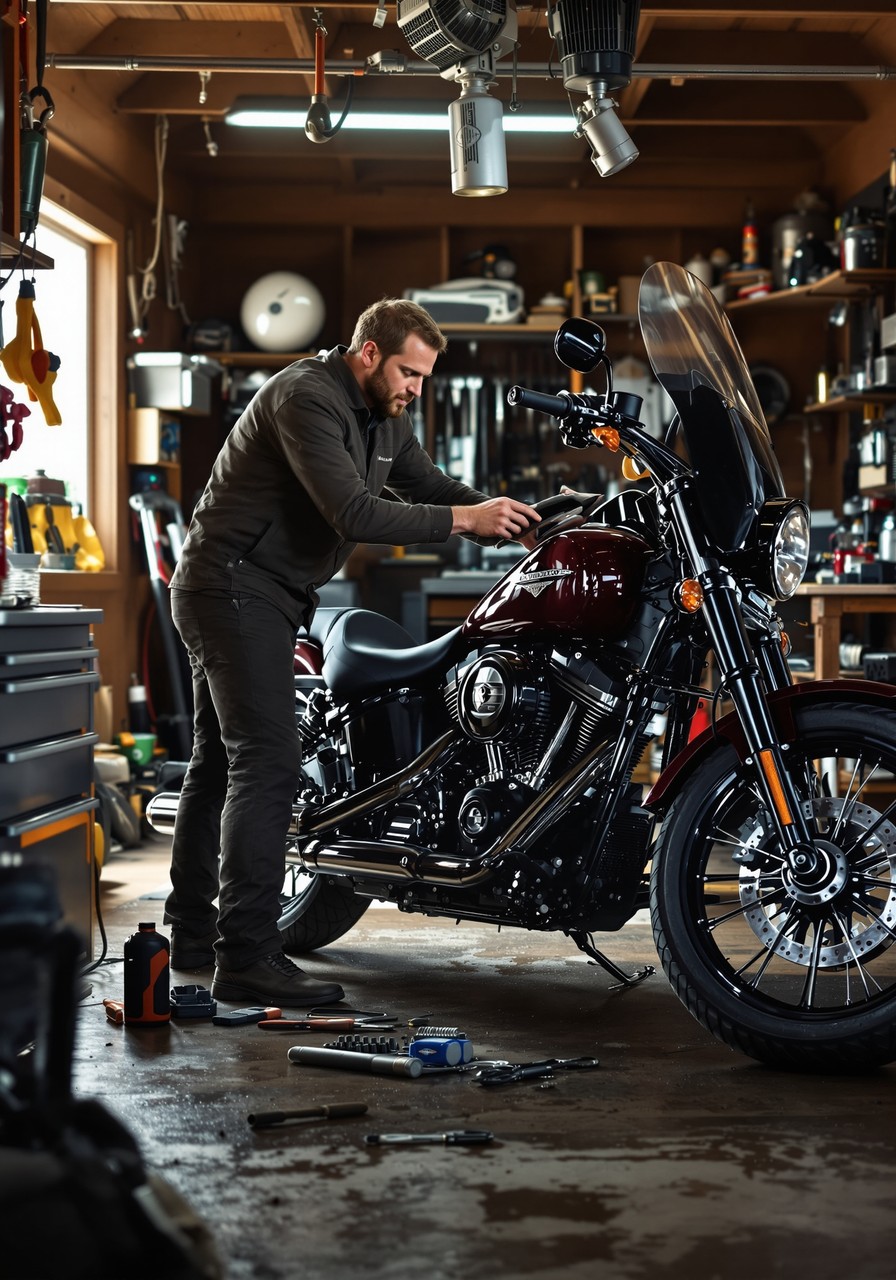
Rain-X on the outside of your visor beads the water so it rolls off at speed. Tiny trick, big difference in a downpour. #RideNationOR #RainGear #RiderTips
Safety & OR Law
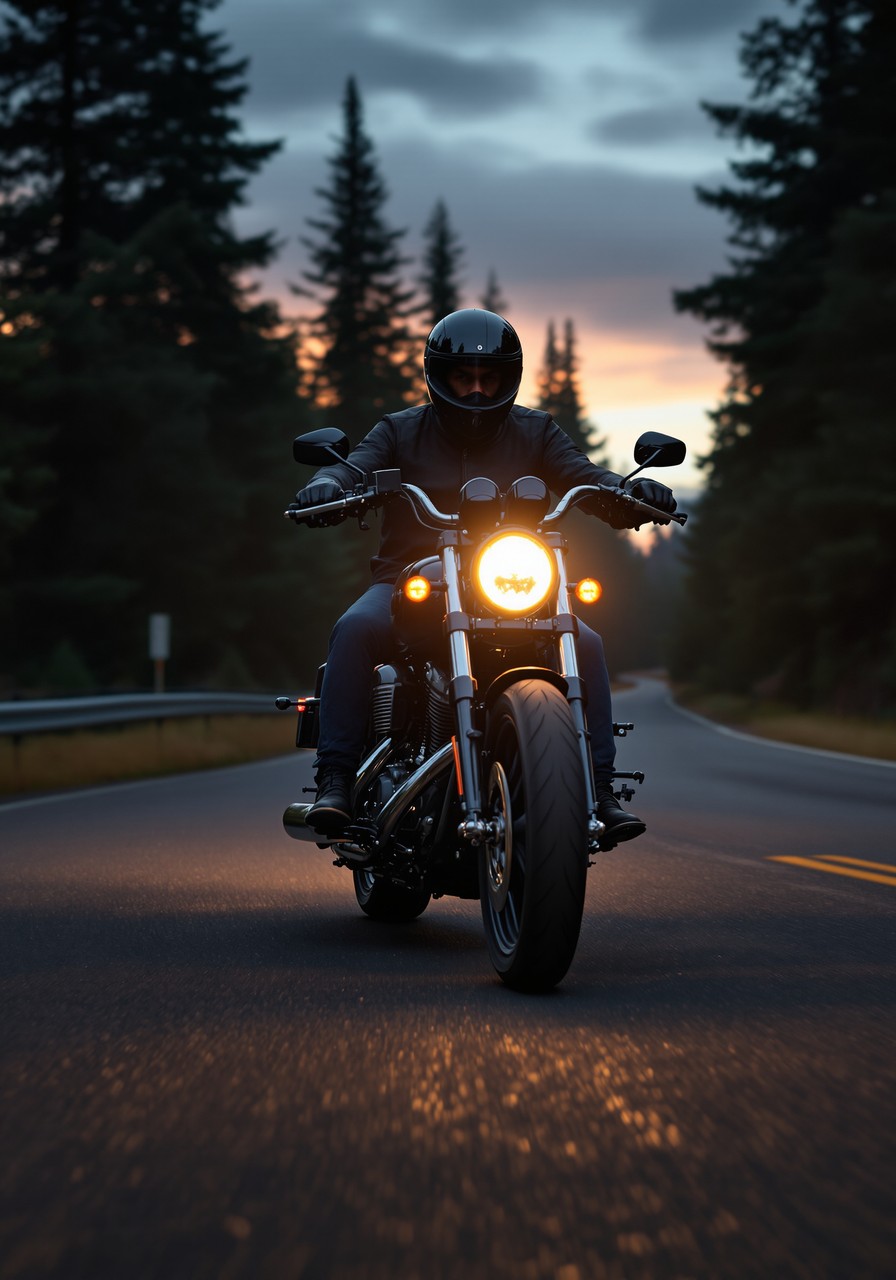
Hurt in a Portland motorcycle crash and not sure where you stand? A quick call costs nothing and clears up a lot. Reach ELG at (503) 461-5256. #RideNationOR #PortlandRiders #RiderRights
Engagement
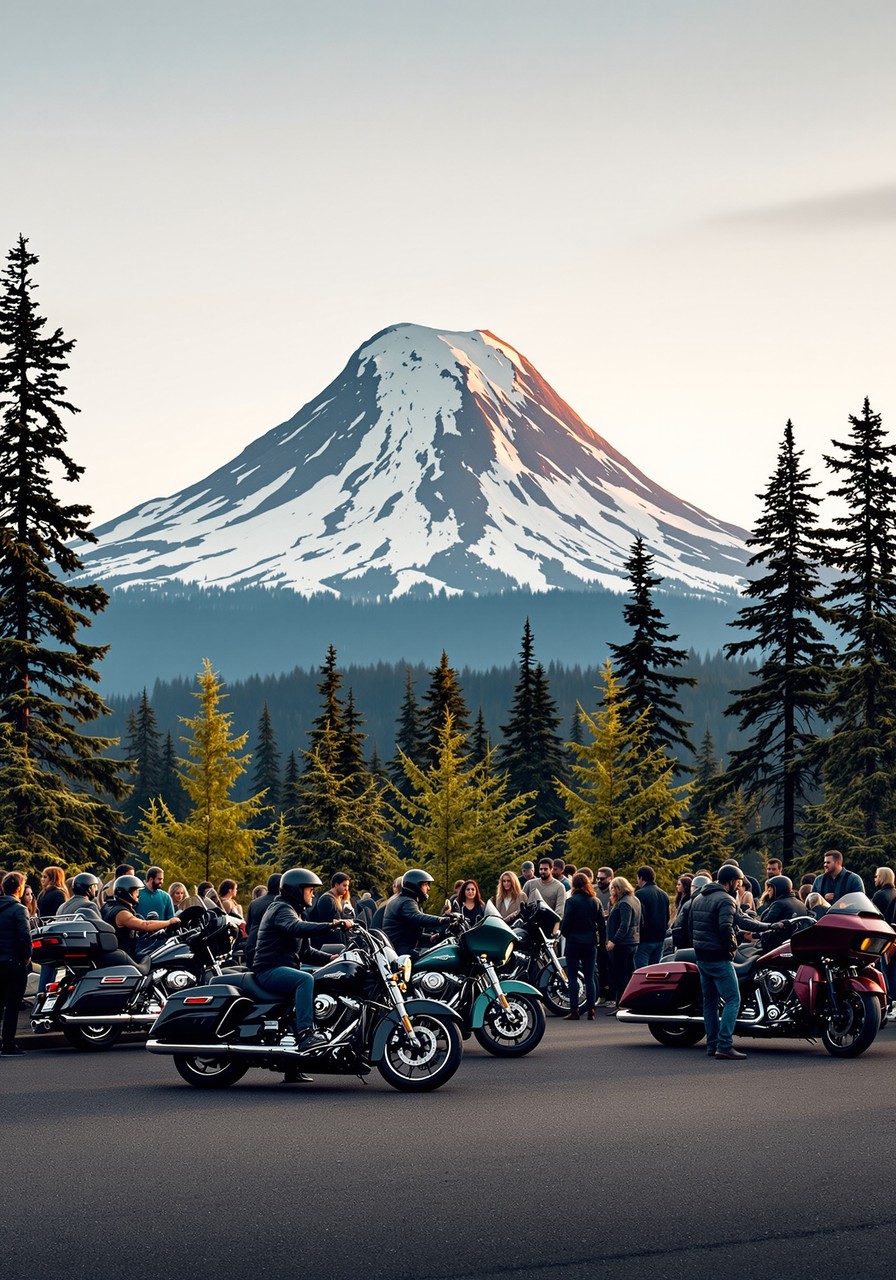
Fill in the blank: My cold-weather gear game changer this year is ______. Spill it for the group. #RideNationOR #PNWMoto #TwoWheels
Giveaway & Countdown
Countdown is on, Portland. Twenty thousand reasons to tag a riding buddy and get them in on it. #RideNationOR #MotorcycleGiveaway #PortlandRiders
Local OR & Rides
The Rowena Crest loops on the east end of the Historic Highway are the postcard shot. Tight hairpins, big views, take them slow. #RideNationOR #ColumbiaGorge #MotorcycleRoads
Gear & New Iron
Check your tire date codes. That four-digit DOT stamp tells you the week and year. Old rubber goes hard and greasy no matter the tread. #RideNationOR #MotorcycleMaintenance #RiderTips
Safety & OR Law
Oregon riders, know this: PIP does not follow the motorcycle in this state. Most bikes carry none, so your health coverage and UM/UIM do the heavy lifting. Check yours before you need it. #RideNationOR #RiderRights #OregonRiders
Engagement
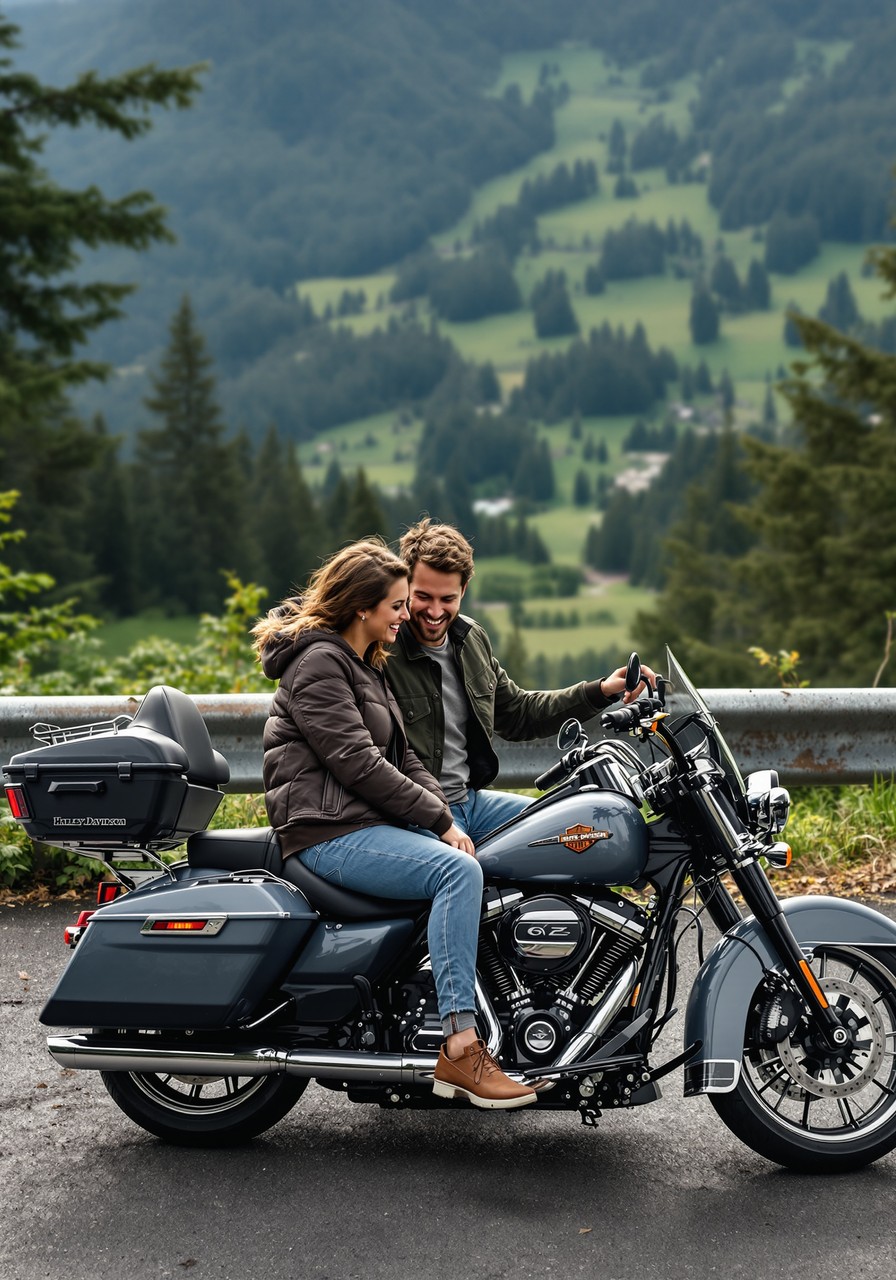
This or that: sunrise ride before work or golden-hour loop after. Which one is more you? #RideNationOR #PortlandRiders #PacificNorthwest
Giveaway & Countdown
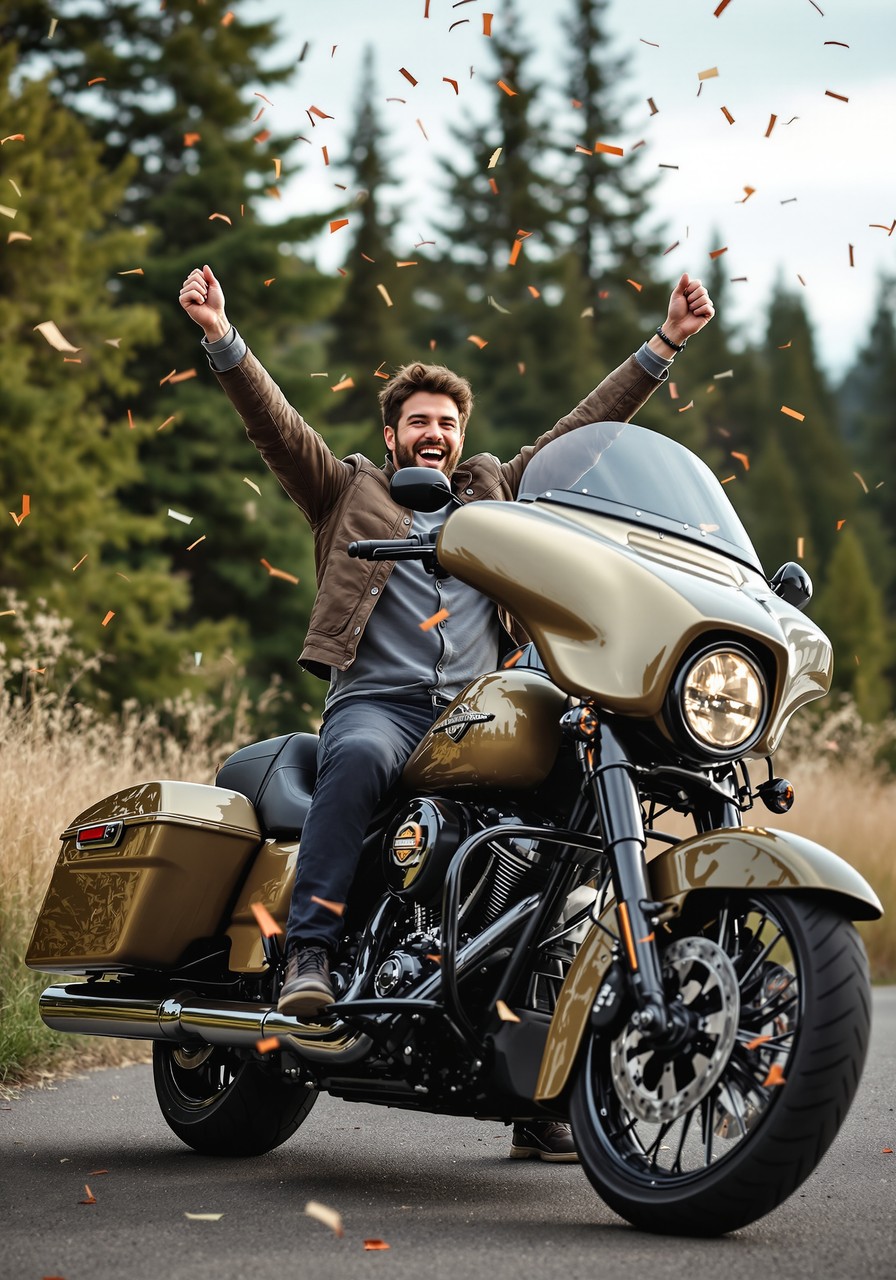
The BikersWin $20,000 giveaway is rolling. Who is ready to win? #RideNationOR #BikersWin #20kGiveaway
Local OR & Rides
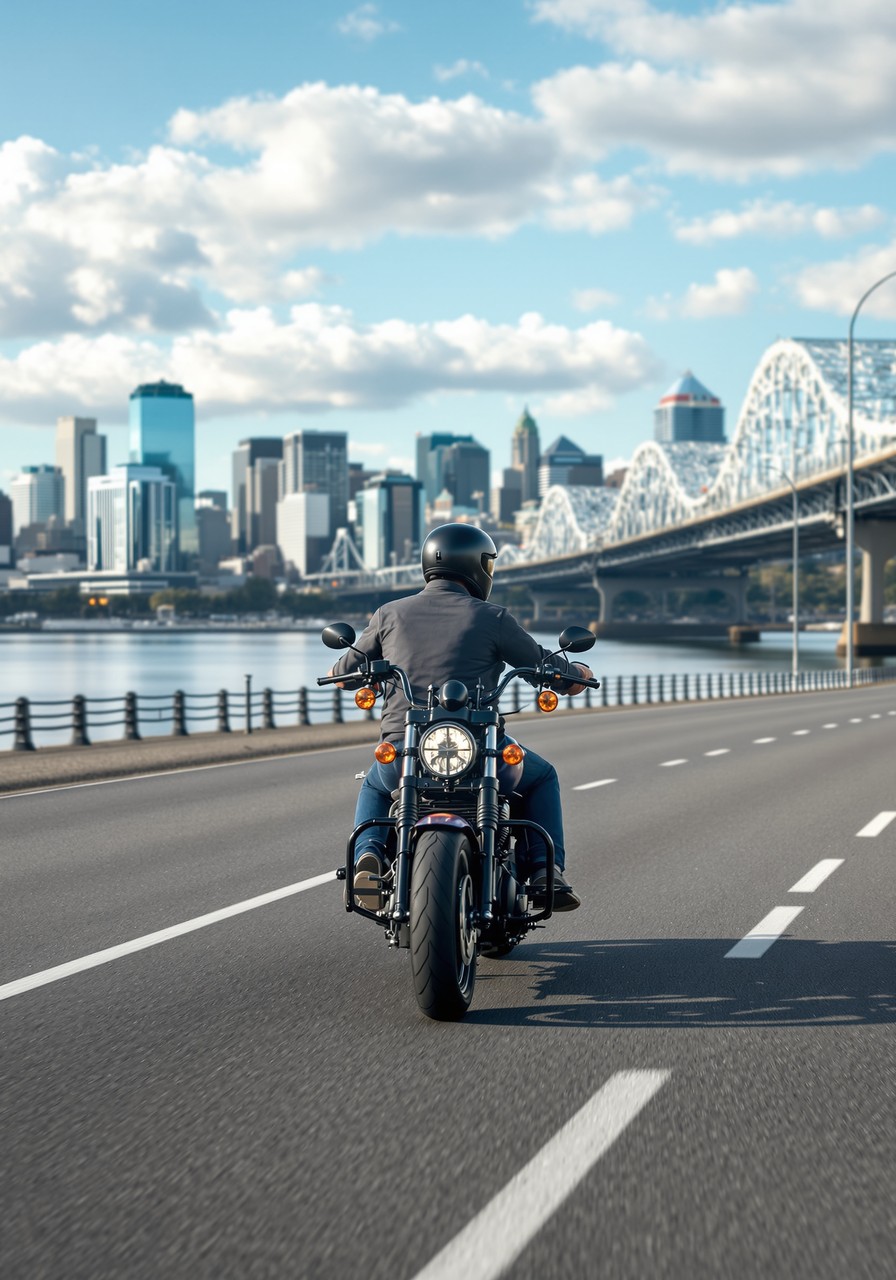
Bike night season slows when the rain moves in, but the covered spots still draw a crowd. Check your local shop's board. #RideNationOR #PortlandRiders
Gear & New Iron
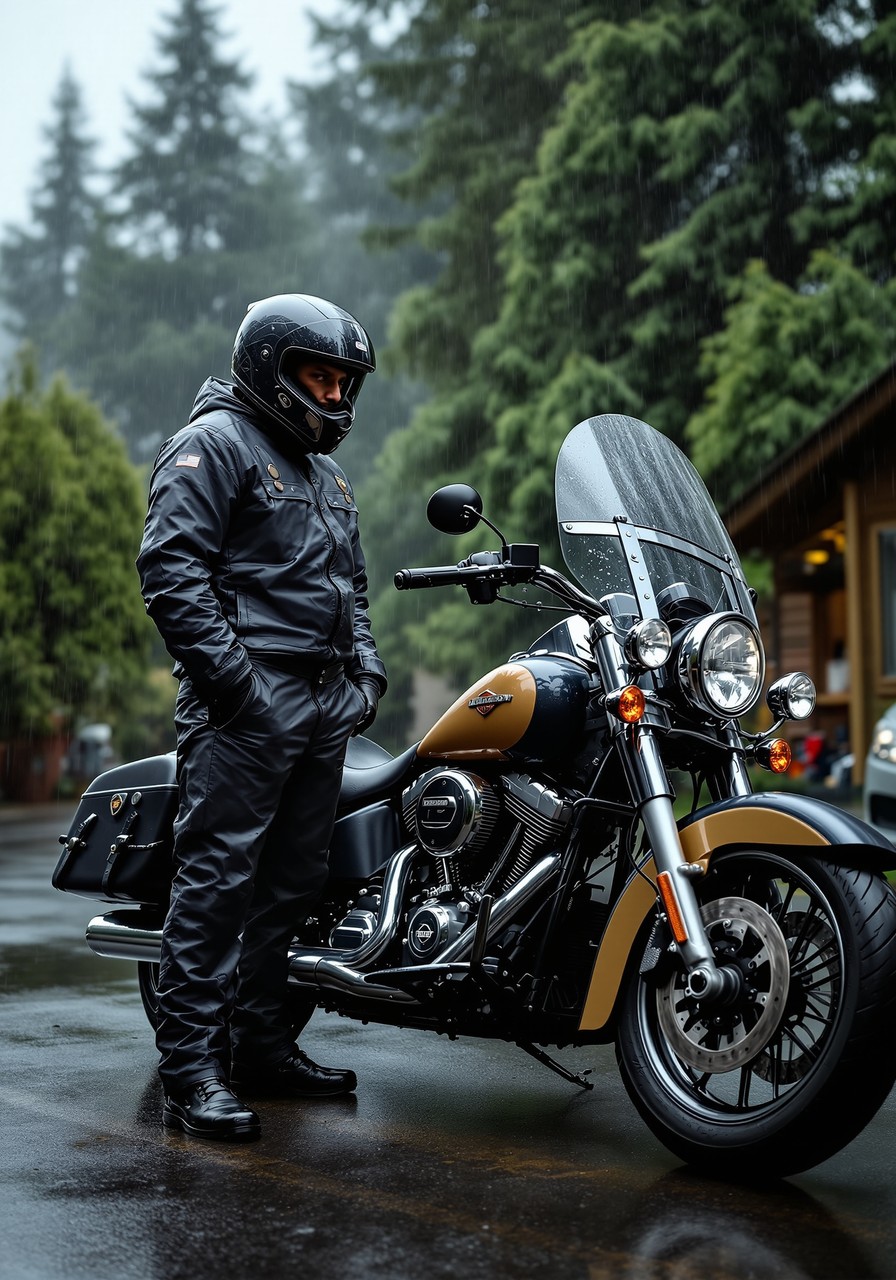
Tread depth matters more when the road is wet. Worn tires float on standing water, and Portland has plenty of it. #RideNationOR #MotorcycleMaintenance #PNWMoto
Safety & OR Law
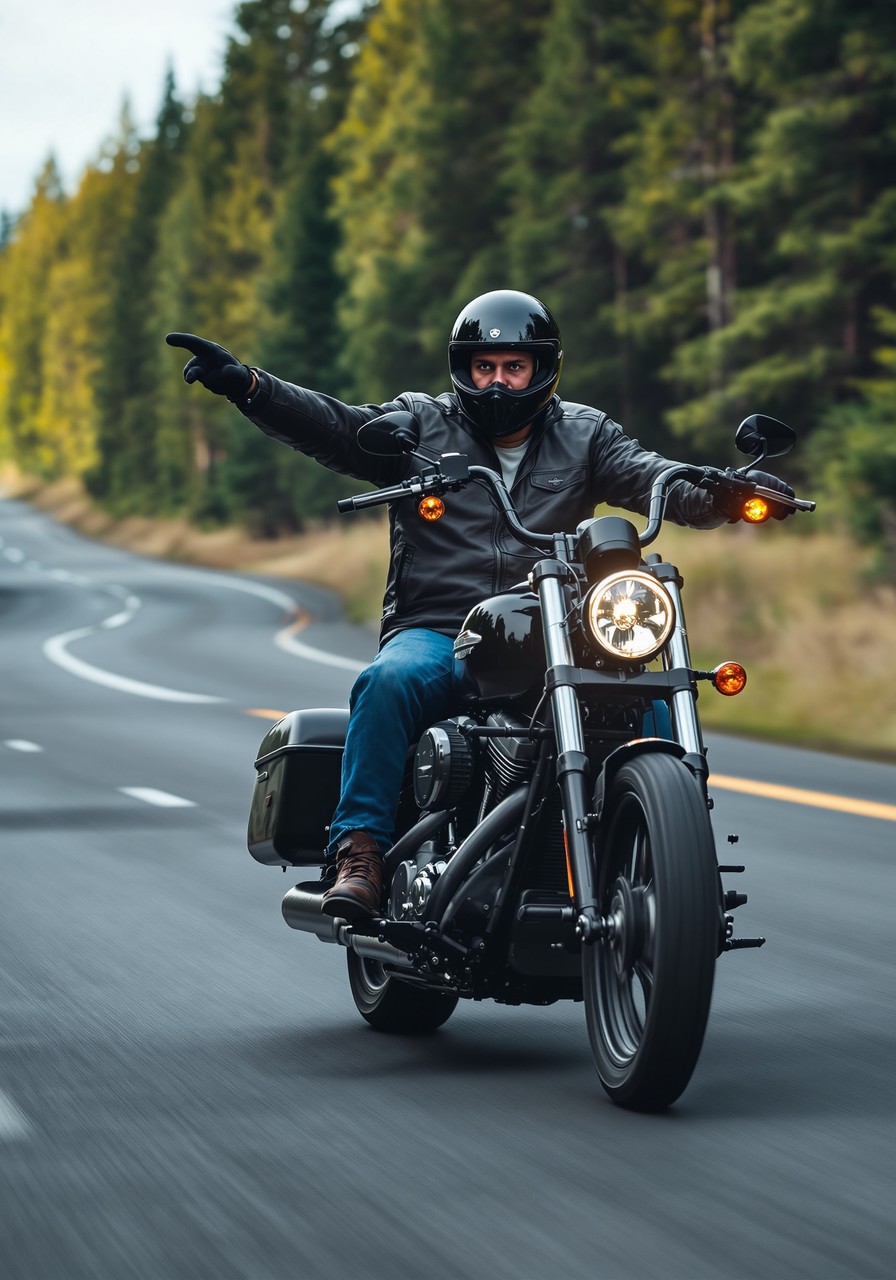
UM/UIM coverage is the part of your policy that saves you from the driver who has nothing. Riders skip it, then regret it. Add it before your next ride. #RideNationOR #KnowYourRights #PortlandRiders
Engagement
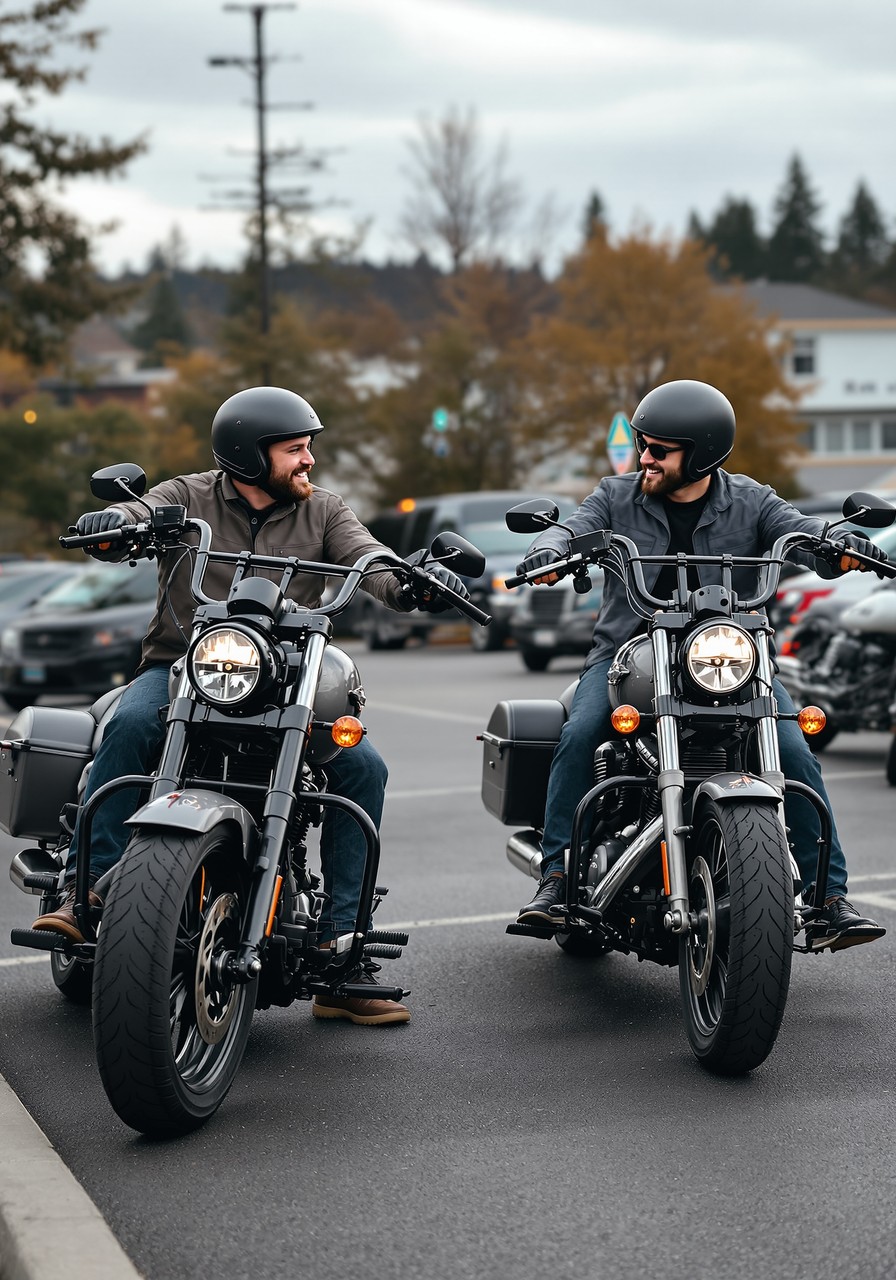
What was your very first bike? Post the make and model and let us feel old together. #RideNationOR #TwoWheels #OregonRiders
Giveaway & Countdown
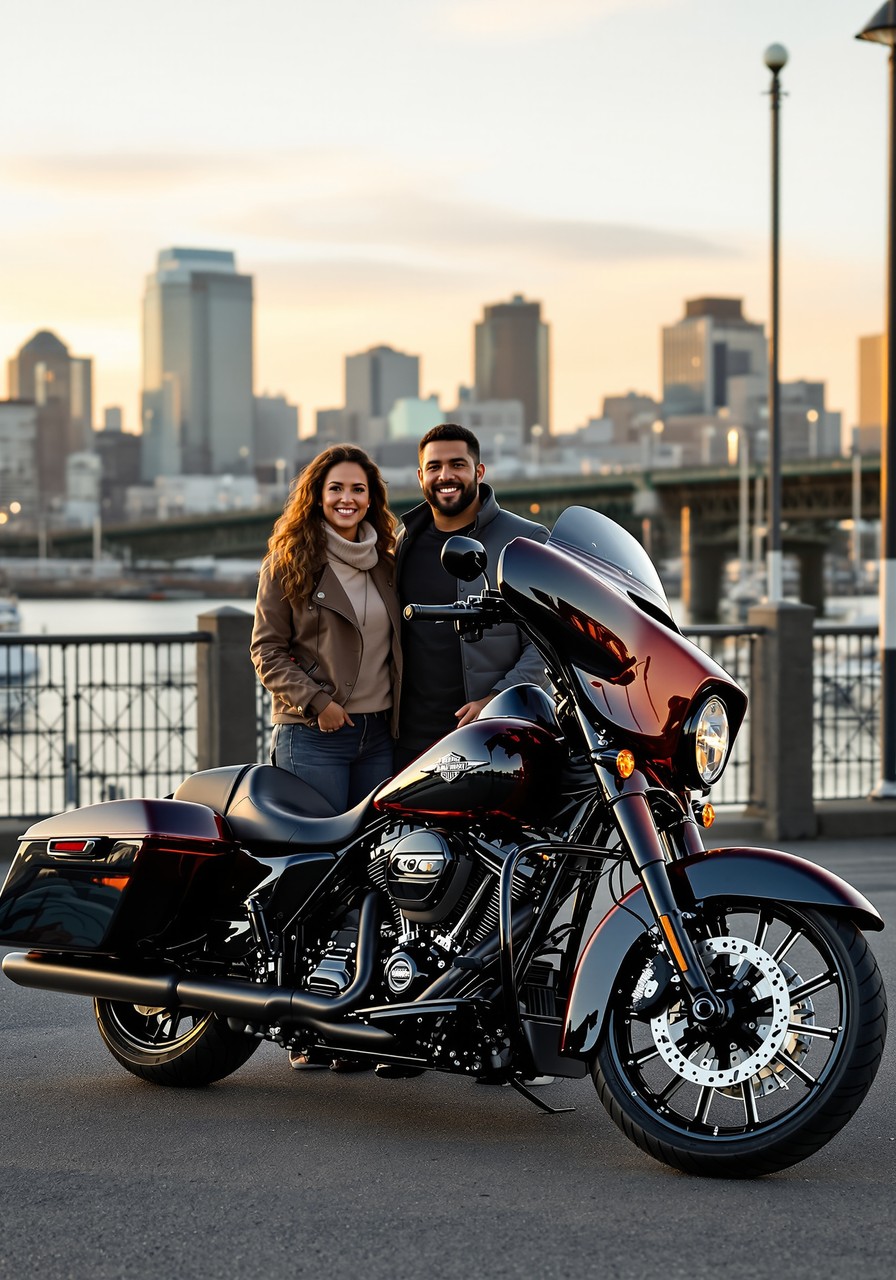
Tag the rider in your crew who deserves a $20K glow up. Spread the word. #RideNationOR #MotorcycleGiveaway #OregonRiders
Local OR & Rides
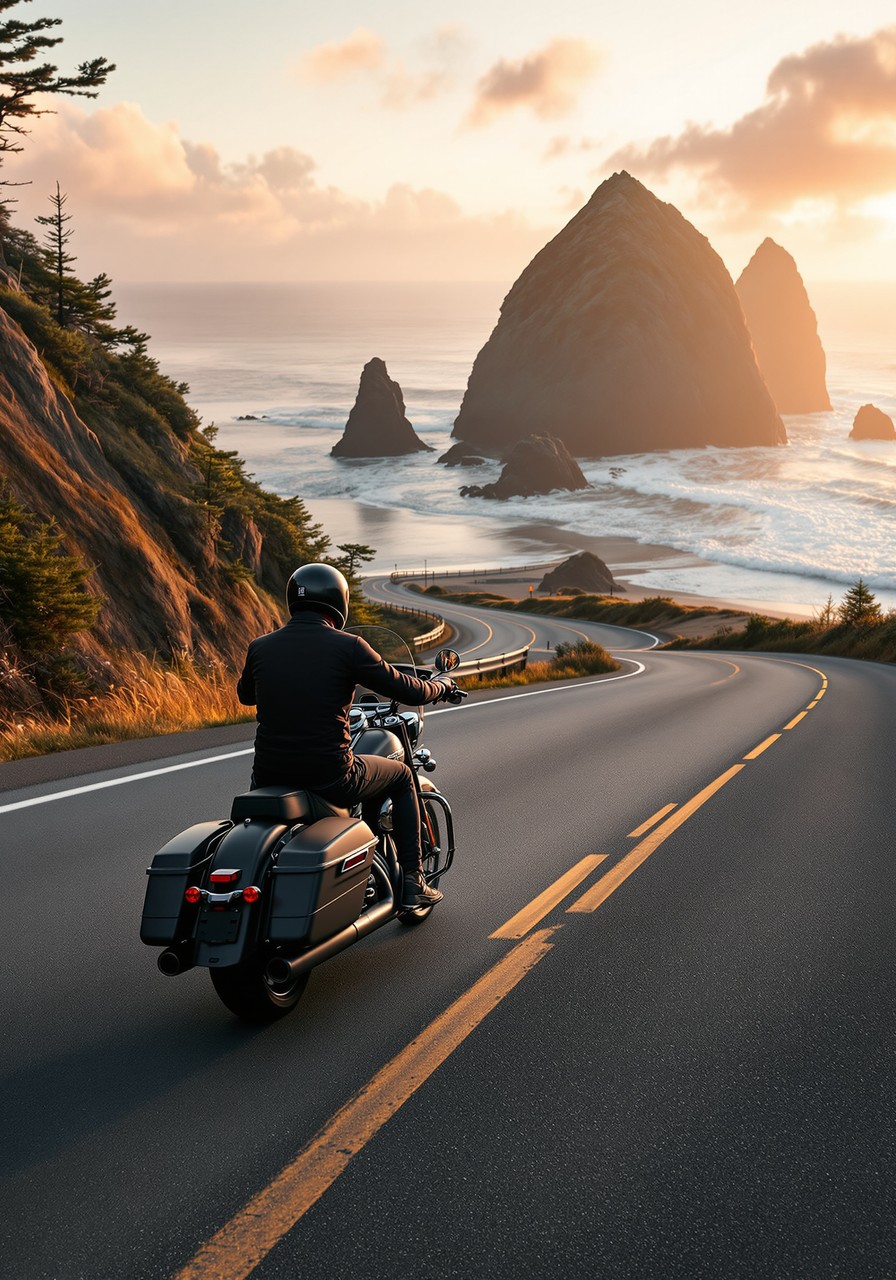
Timberline Lodge at the top of the Mount Hood Loop is worth the climb, even just for the coffee and the view. #RideNationOR #MountHood #PacificNorthwest
Gear & New Iron
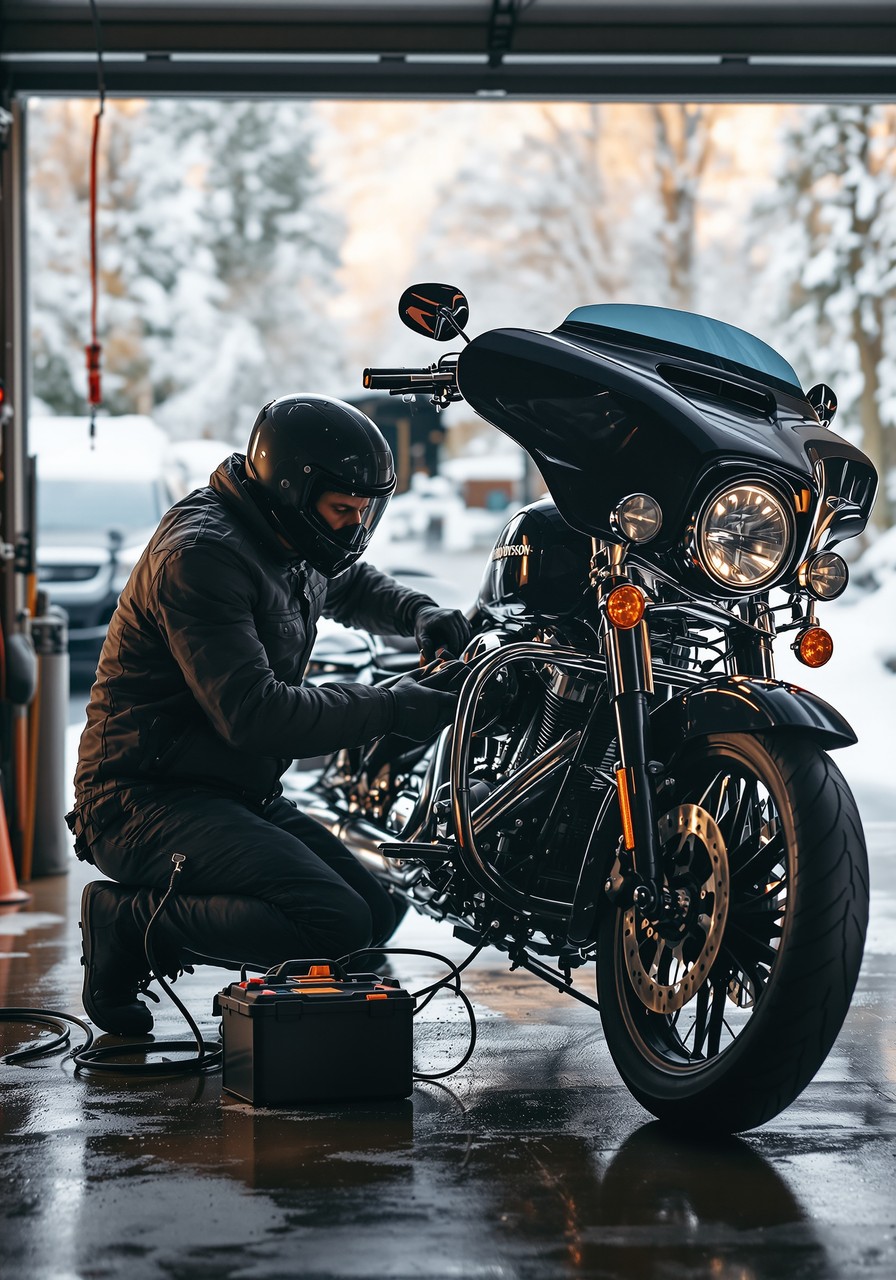
Cold air drops your tire pressure. Check it with a real gauge before you roll on a chilly morning, not by eyeball. #RideNationOR #MotorcycleMaintenance #RiderTips
Safety & OR Law
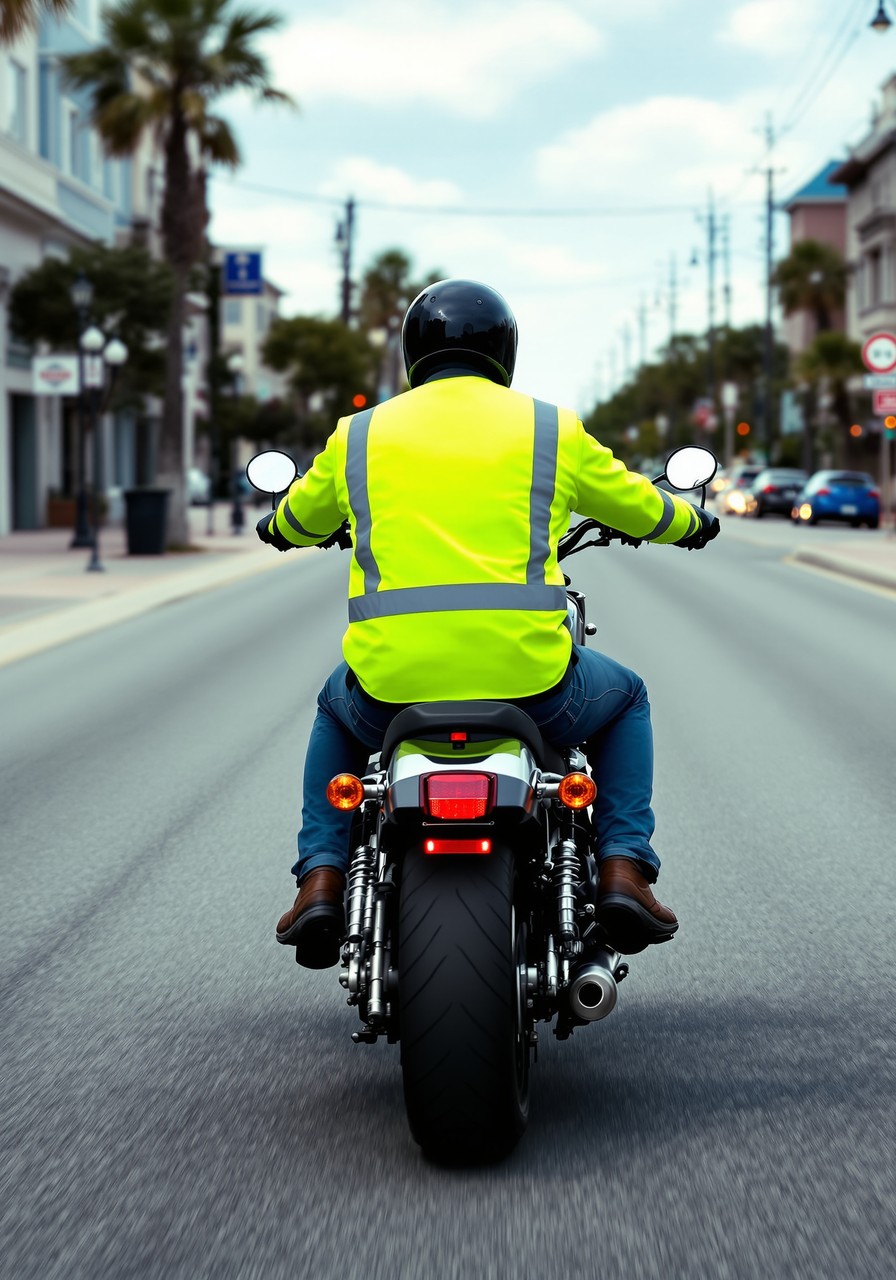
Oregon's 51 percent bar is brutal: more than half the fault and you walk away with nothing. Ride like every fender is aimed at you. #RideNationOR #MotorcycleSafety #RiderRights
Engagement
Poll: on a rare February dry spell, do you (a) call in a mental health day or (b) tough it out and ride after work? #RideNationOR #PortlandRiders #PNWMoto
Giveaway & Countdown
Winner energy only, Ride Nation. Somebody in this community is taking home $20,000. #RideNationOR #BikersWin #PNWMoto
Local OR & Rides
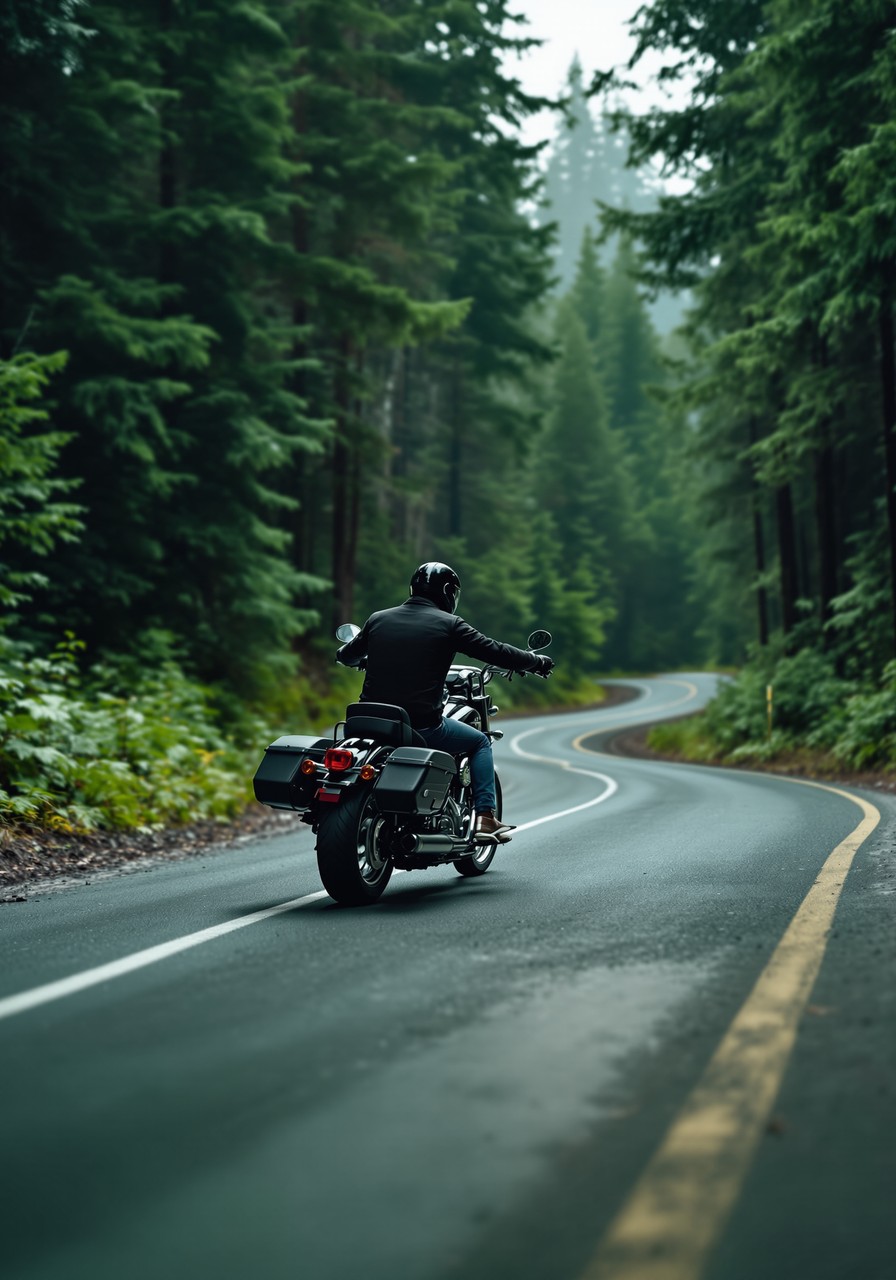
The St. Johns Bridge is the prettiest crossing in town. Mind the grated joints when they are wet. #RideNationOR #PortlandRiders
Gear & New Iron
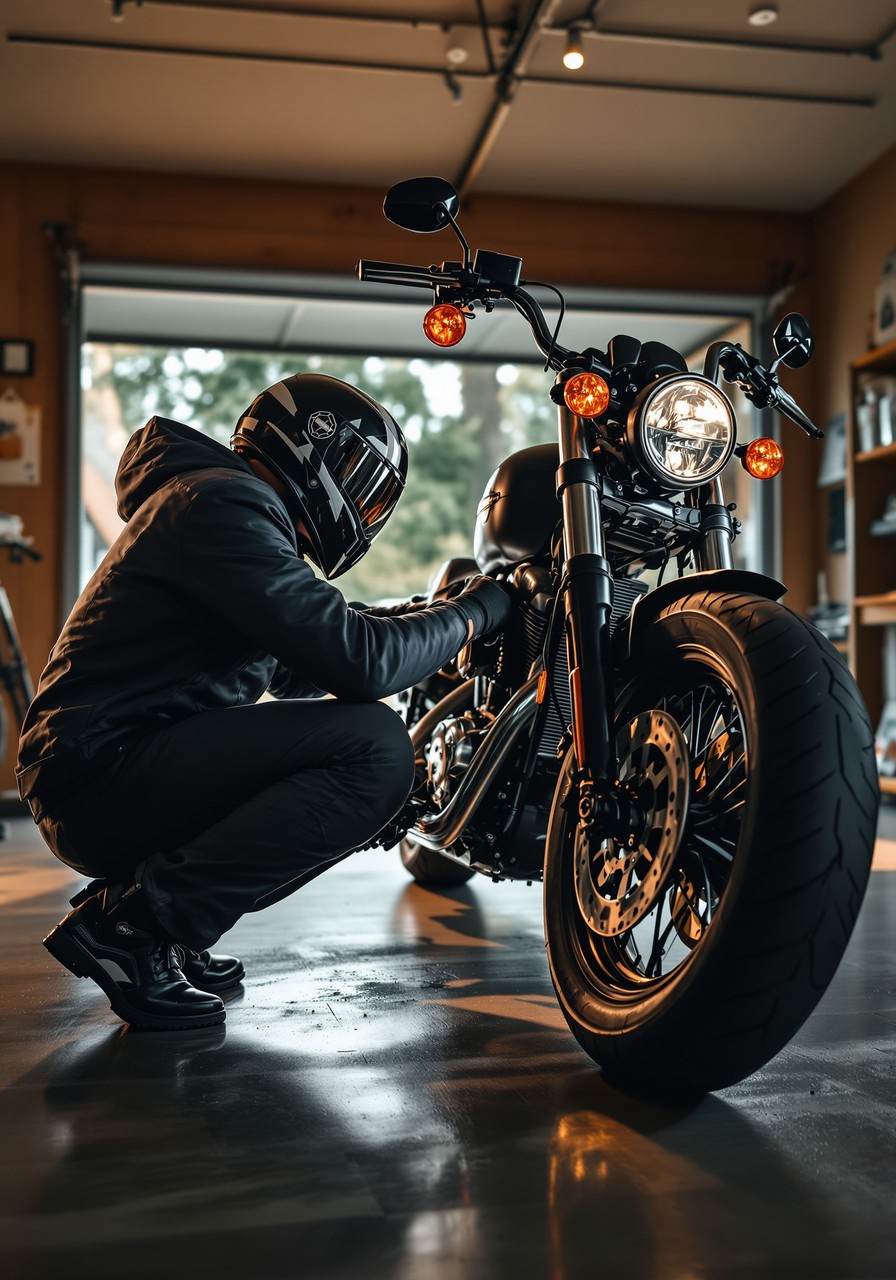
Wet-grip is a real spec. When you shop tires for the PNW, weight rain performance over top-end dry grip. #RideNationOR #MotorcycleMaintenance #PNWMoto
Safety & OR Law
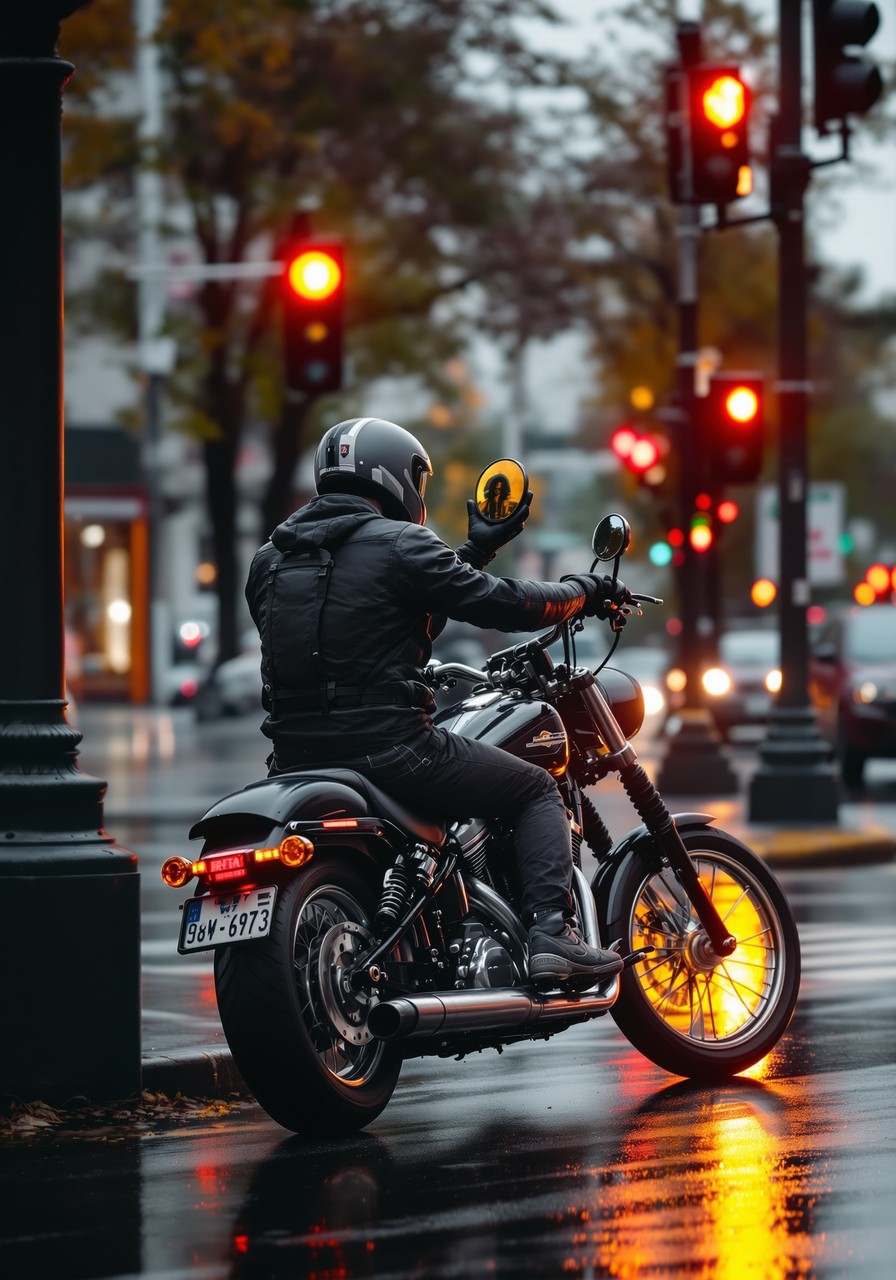
The clock on an Oregon injury claim is two years, but memories and camera footage disappear in days. Sooner is always stronger. #RideNationOR #KnowYourRights #OregonRiders
Engagement
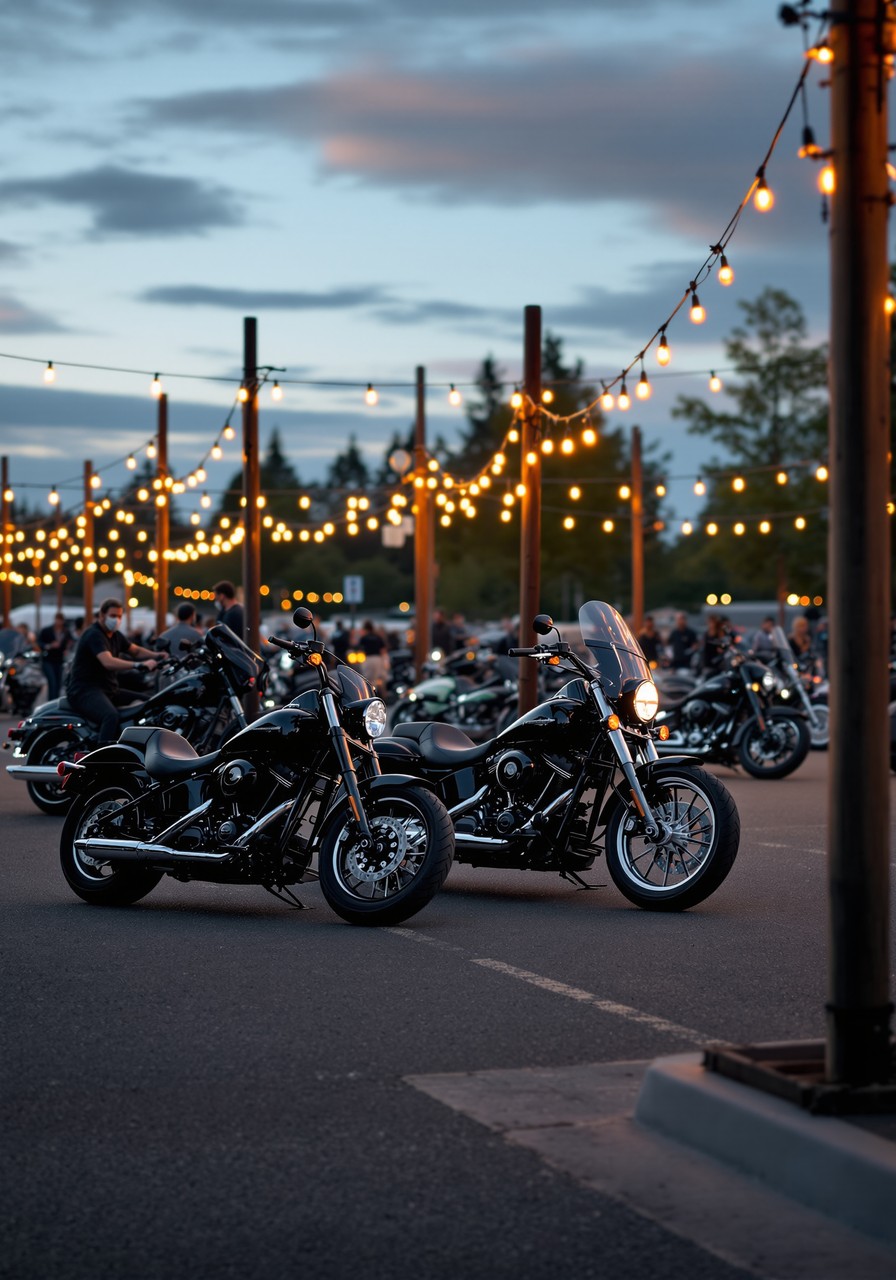
Caption this: three bikes lined up outside a Gorge diner, everyone shaking off the chill. #RideNationOR #ColumbiaGorge #RideOrDie
Giveaway & Countdown
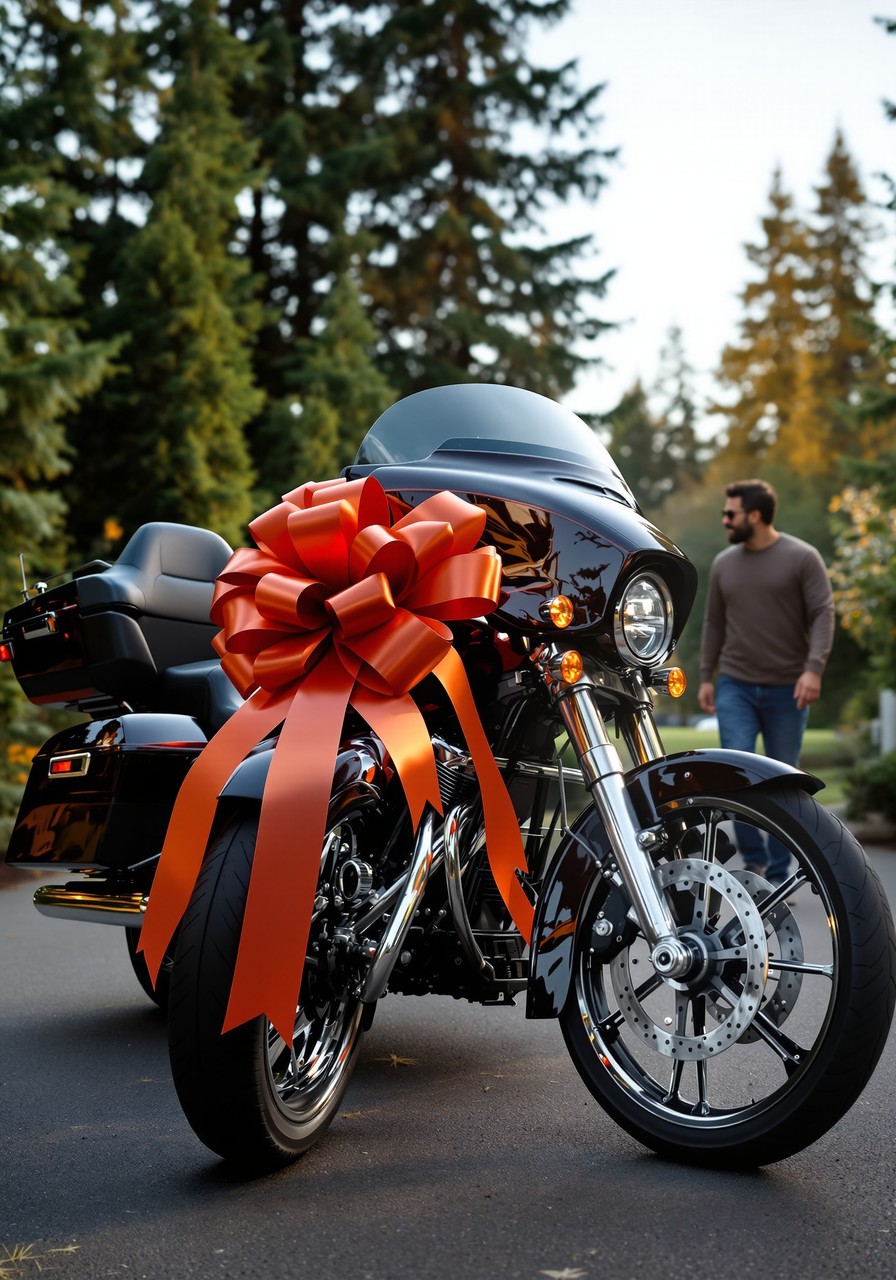
The word is spreading fast across the PNW. Have you told your riding buddies about the $20K yet? #RideNationOR #20kGiveaway #PortlandRiders
Local OR & Rides
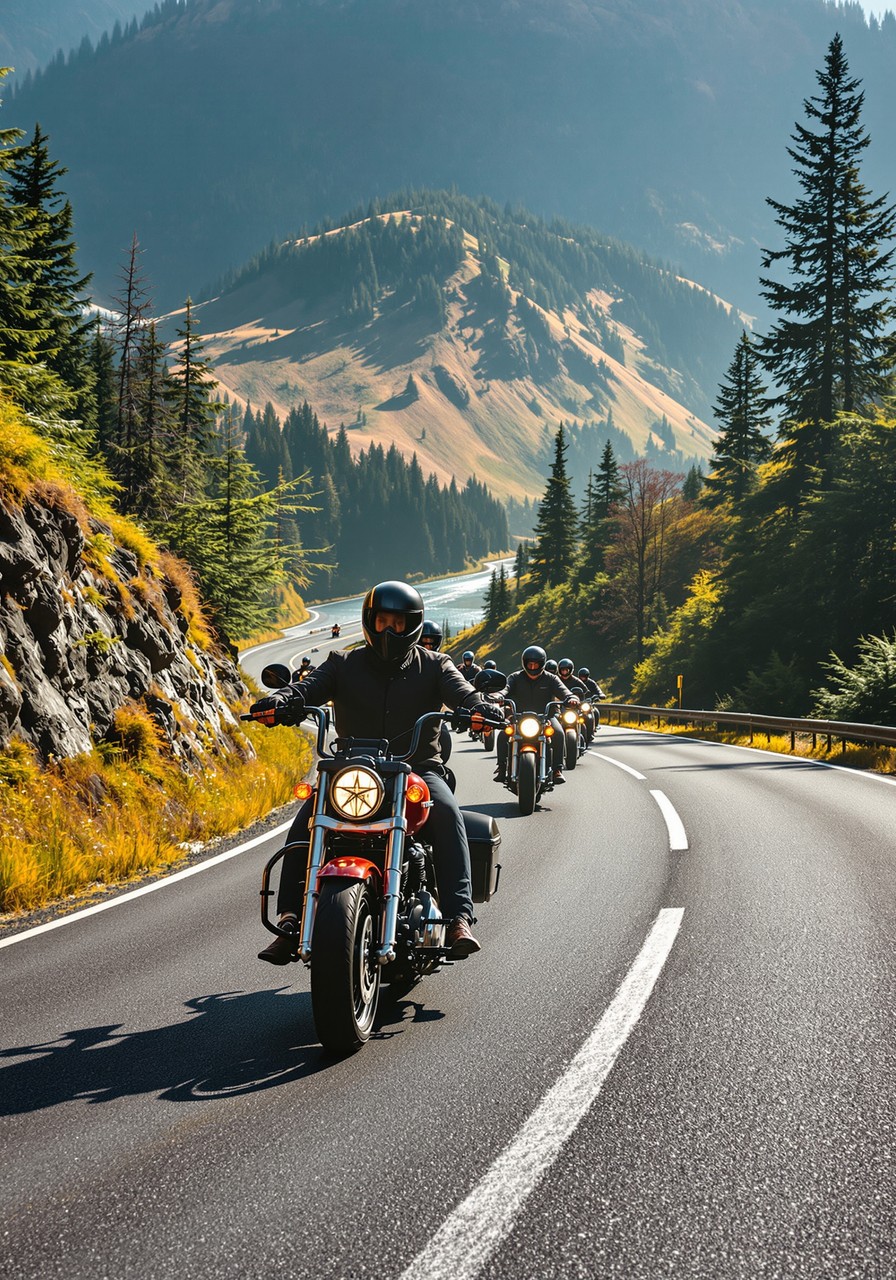
Marine Drive along the Columbia is flat, open, and easy on a gray day when the hills are socked in. #RideNationOR #OregonRiders #PacificNorthwest
Gear & New Iron
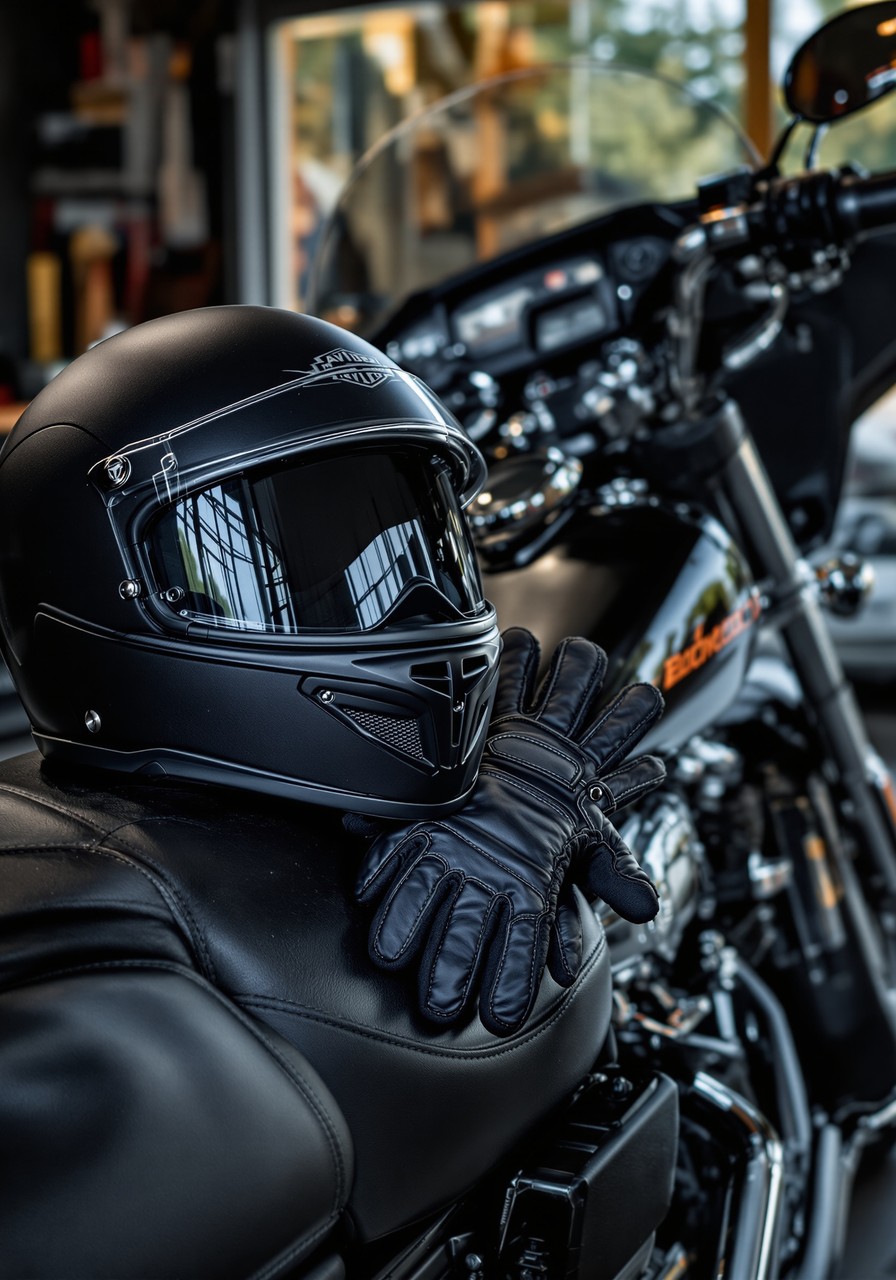
A battery tender over winter saves you a dead pack in spring. Trickle it in the garage and it starts first crank in March. #RideNationOR #MotorcycleMaintenance #RiderTips
Safety & OR Law
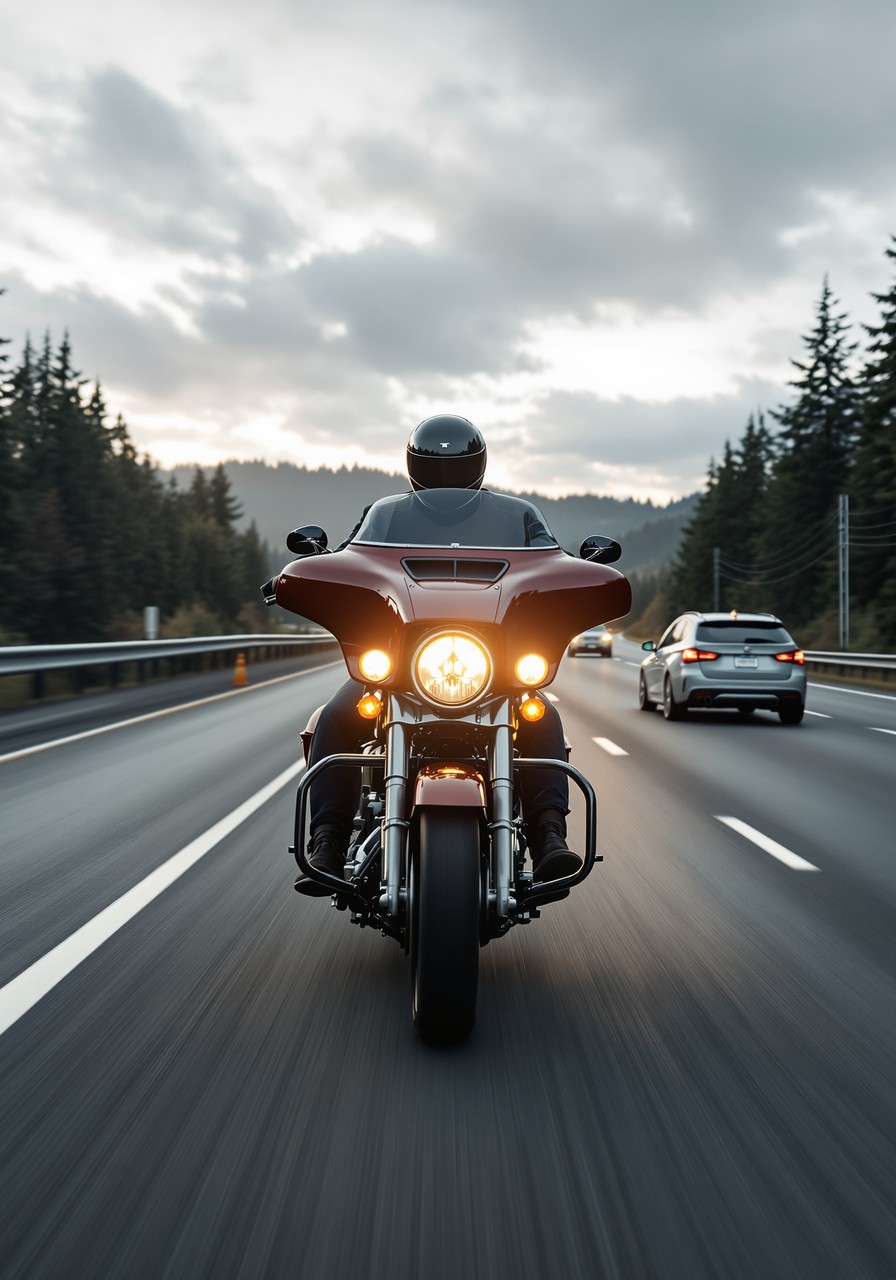
If a public body like the city, TriMet, or ODOT is in your crash, the notice window can be just 180 days. Do not let it lapse. Ask about your rights early. #RideNationOR #KnowYourRights #PortlandRiders
Engagement
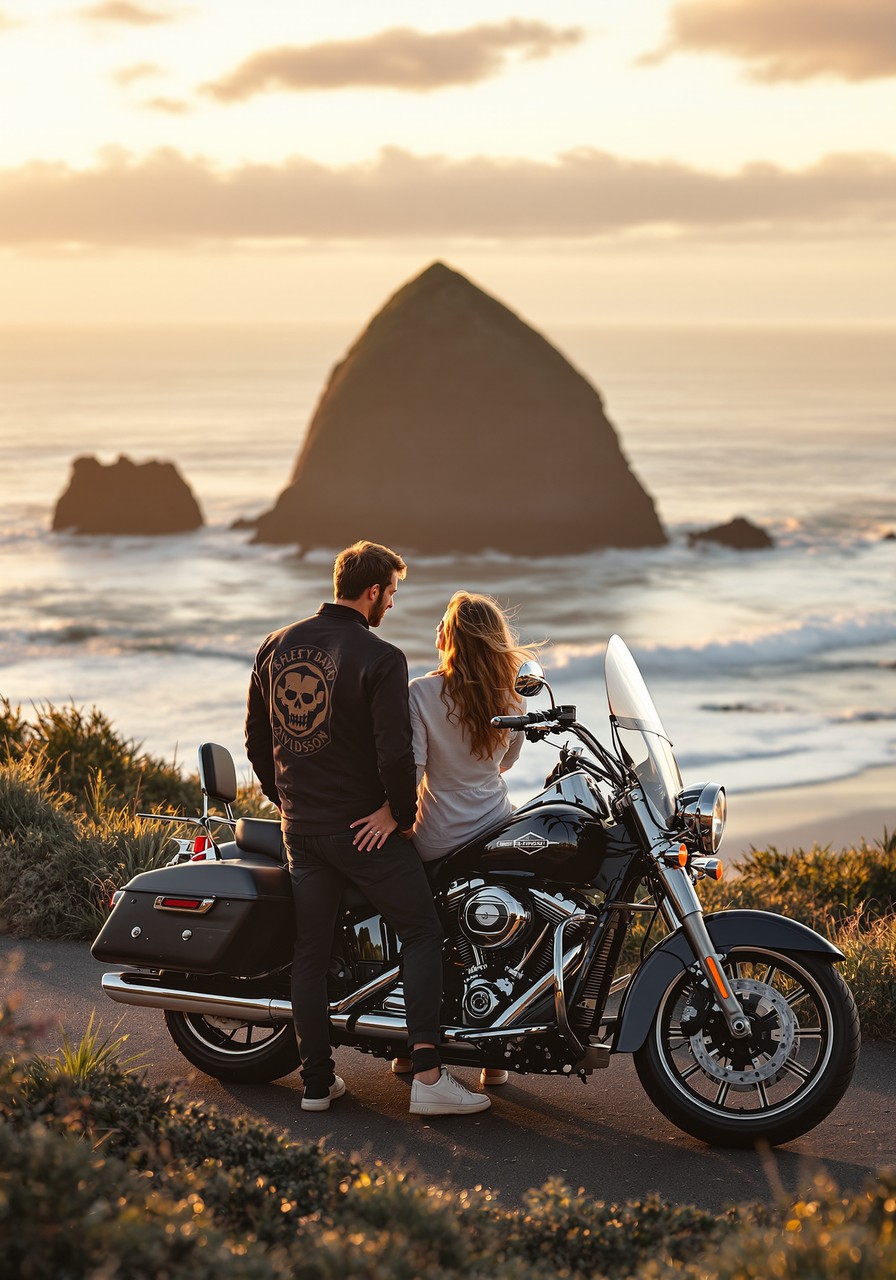
Favorite backroad within an hour of Portland that most riders sleep on? Share the secret. #RideNationOR #OregonRiders #PNWMoto
Giveaway & Countdown
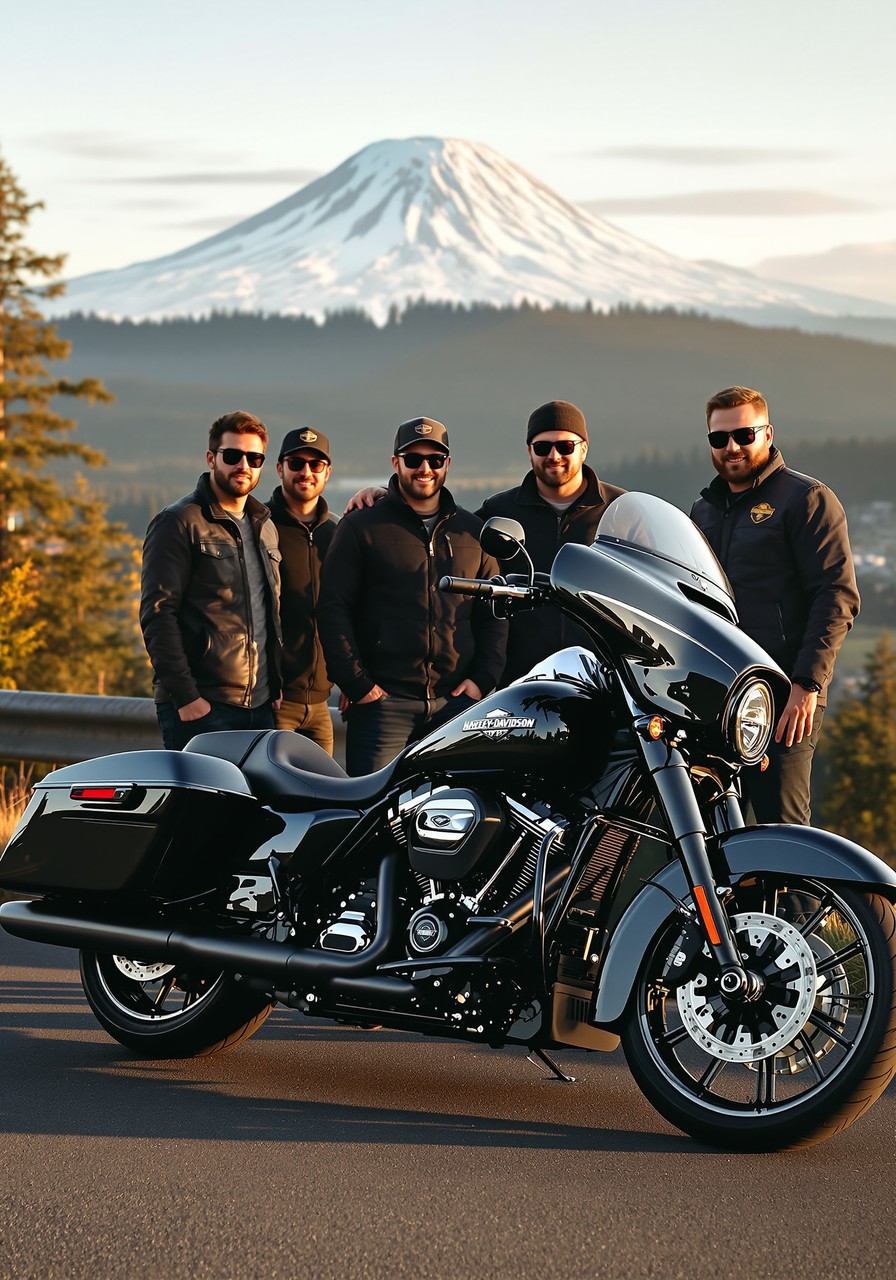
Every share gets another rider in the loop. Let us fill this giveaway with Ride Nation. #RideNationOR #BikersWin #OregonRiders
Local OR & Rides
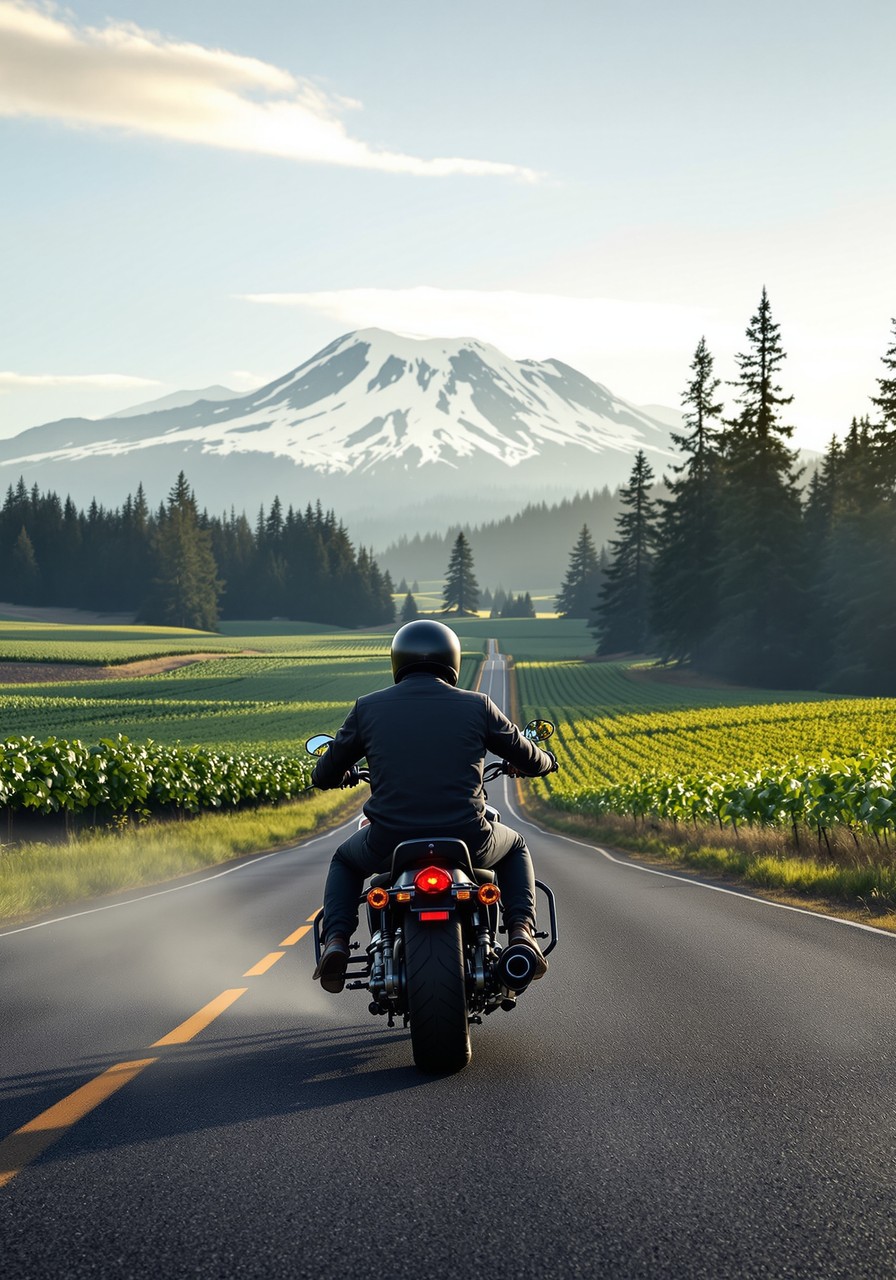
Sauvie Island is a quick, low-stress loop close to town. Watch for gravel where the farm roads meet the pavement. #RideNationOR #PortlandRiders #OregonRiders
Gear & New Iron
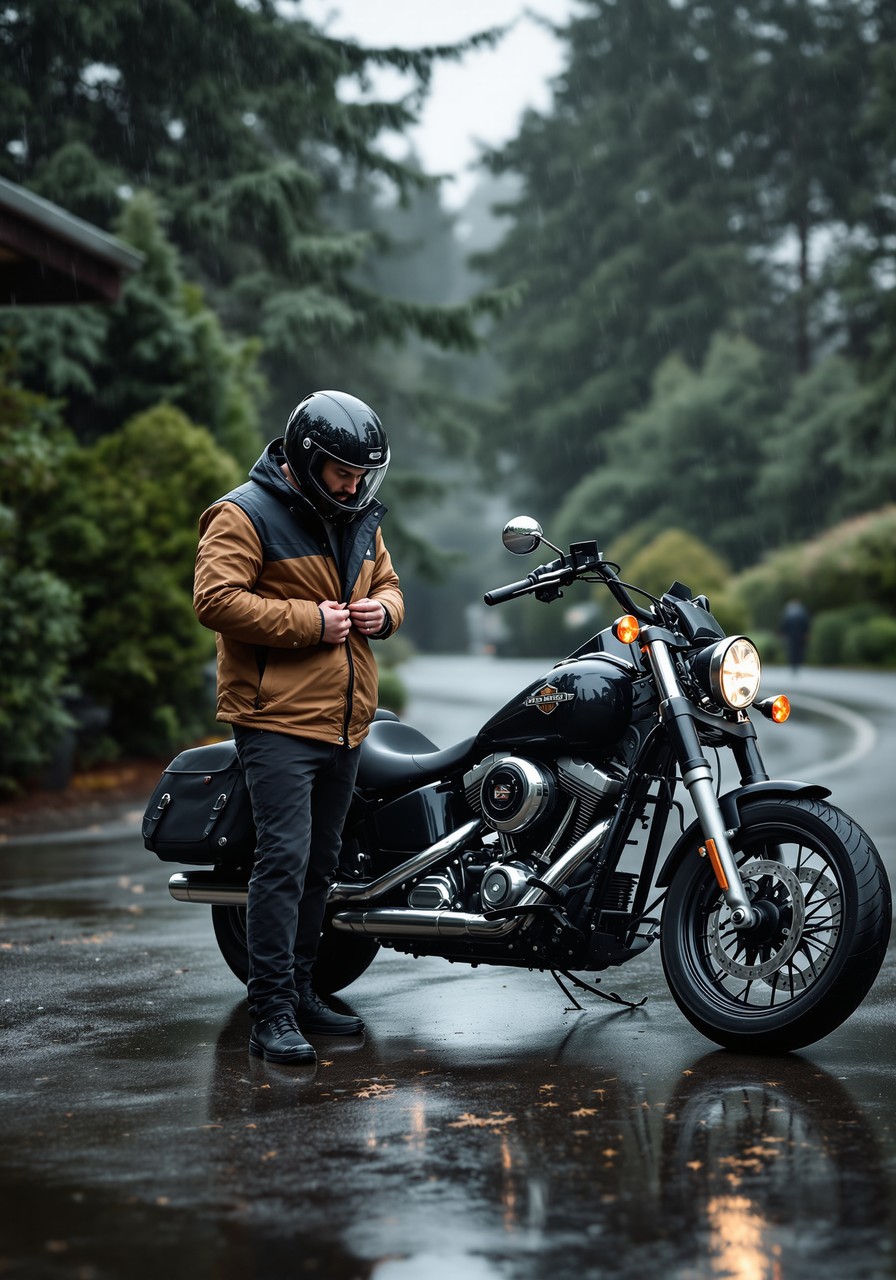
Sitting bikes kill batteries. Even a few weeks of cold and disuse drains them, so keep it on a maintainer. #RideNationOR #MotorcycleMaintenance #GearUp
Safety & OR Law
Oregon's minimum limits are 25/50/20. A day in the hospital blows past that. Your own UM/UIM is the safety net when theirs runs out. #RideNationOR #RiderRights #OregonRiders
Engagement
Fill in the blank: If I could teleport my bike anywhere in Oregon right now, I would land at ______. #RideNationOR #PacificNorthwest #TwoWheels
Giveaway & Countdown
Twenty thousand dollars. One lucky rider. The countdown keeps ticking. #RideNationOR #MotorcycleGiveaway #20kGiveaway
Local OR & Rides
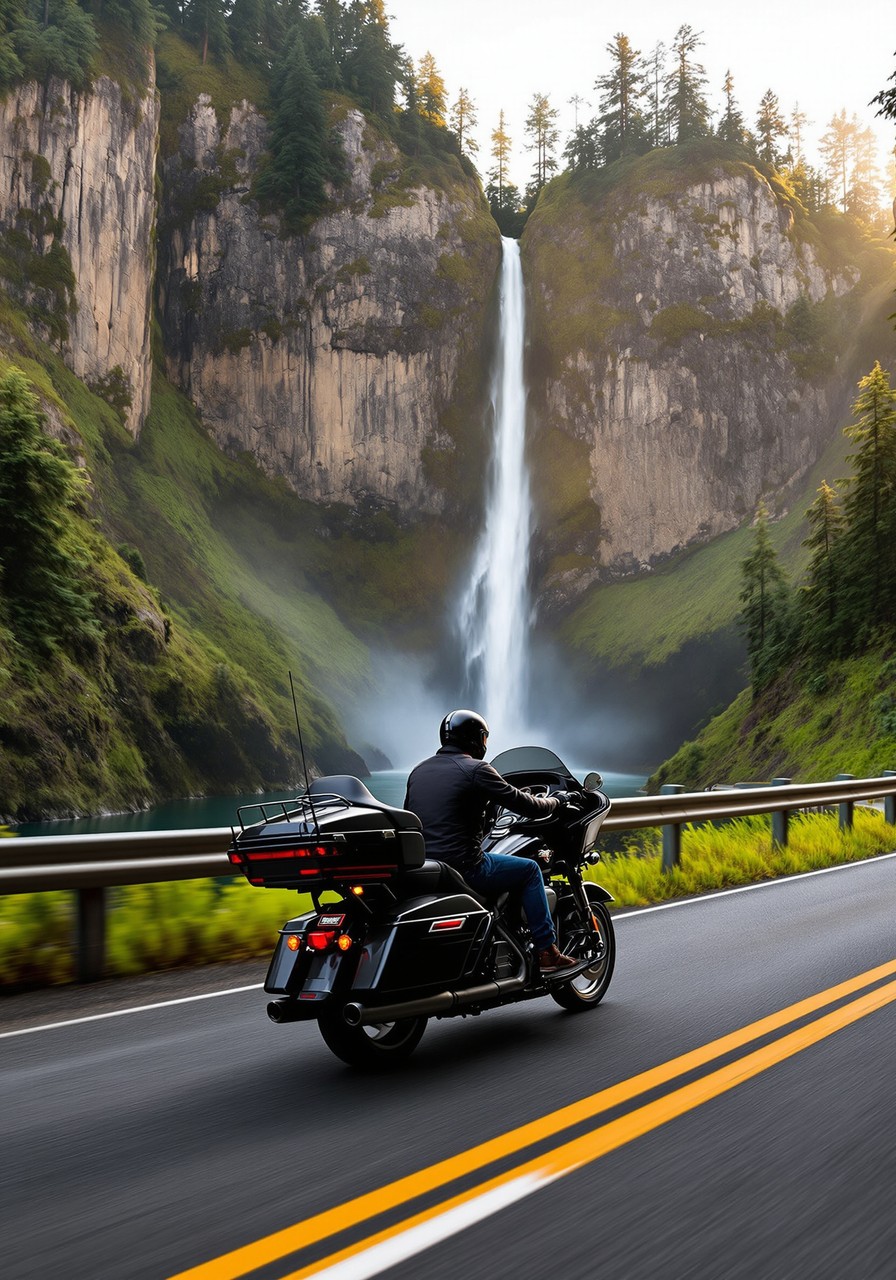
Nestucca River Road is the backdoor to the coast, quiet and twisty. Moss on the shaded pavement lingers all winter. #RideNationOR #OregonCoast #MotorcycleRoads
Gear & New Iron
Chain care in the damp is not optional. Clean and lube after wet rides or rust and stiff links show up fast. #RideNationOR #MotorcycleMaintenance #RiderTips
Safety & OR Law
At every intersection, assume the left-turning car does not see you. Cover your brakes, ease off the throttle, and leave yourself an out. #RideNationOR #MotorcycleSafety #PortlandRiders
Engagement
This or that: brand new gear that keeps you dry or the beat-up jacket with all the memories. Be honest. #RideNationOR #PortlandRiders #RideOrDie
Giveaway & Countdown
Portland riders show up for each other. Tag two friends who need to know about this giveaway. #RideNationOR #BikersWin #PortlandRiders
Local OR & Rides
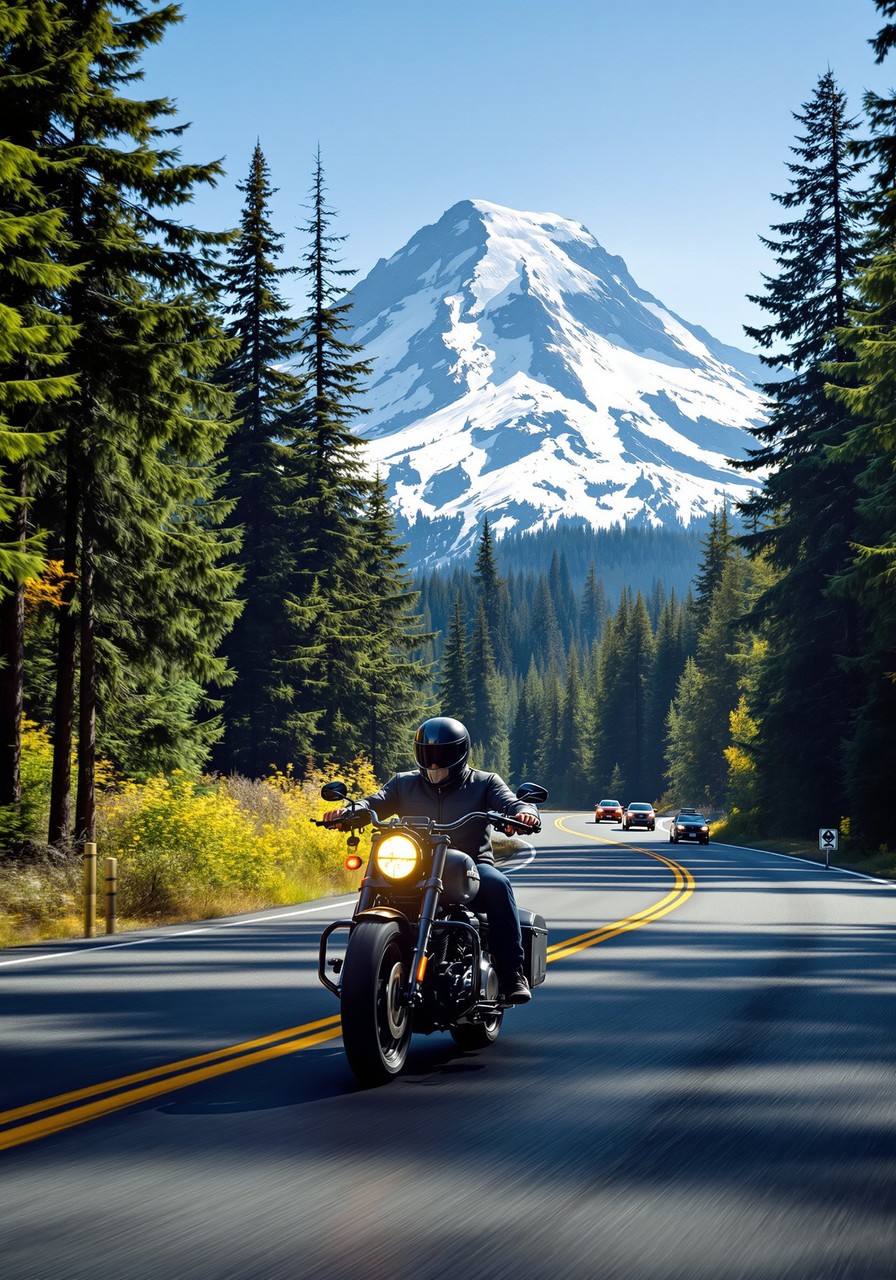
Council Crest on a clear night, city lights below and Hood on the horizon. Short ride, big payoff. #RideNationOR #PortlandRiders
Gear & New Iron
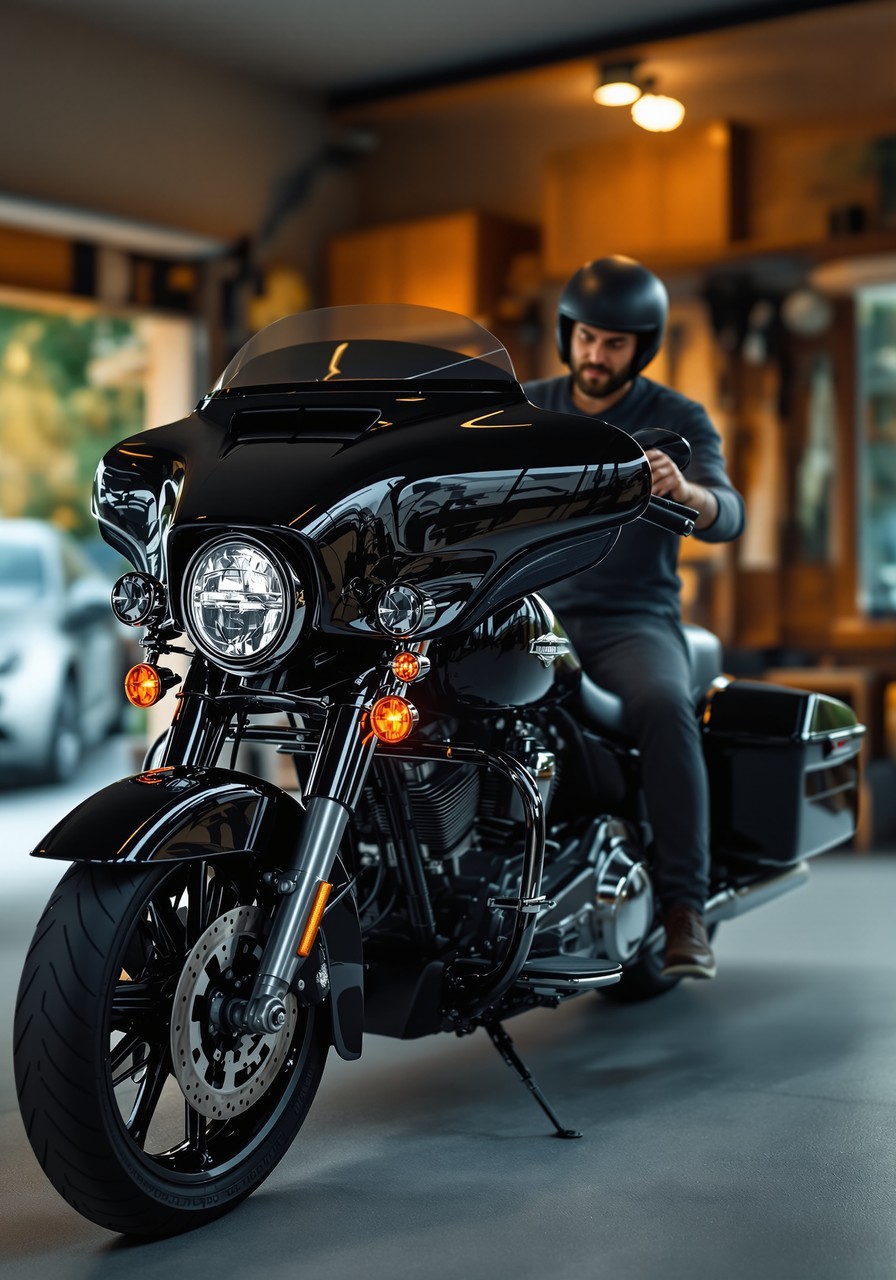
Wet roads sling grit into your chain. A quick wipe and fresh lube every few hundred miles keeps it smooth and quiet. #RideNationOR #MotorcycleMaintenance #PNWMoto
Safety & OR Law
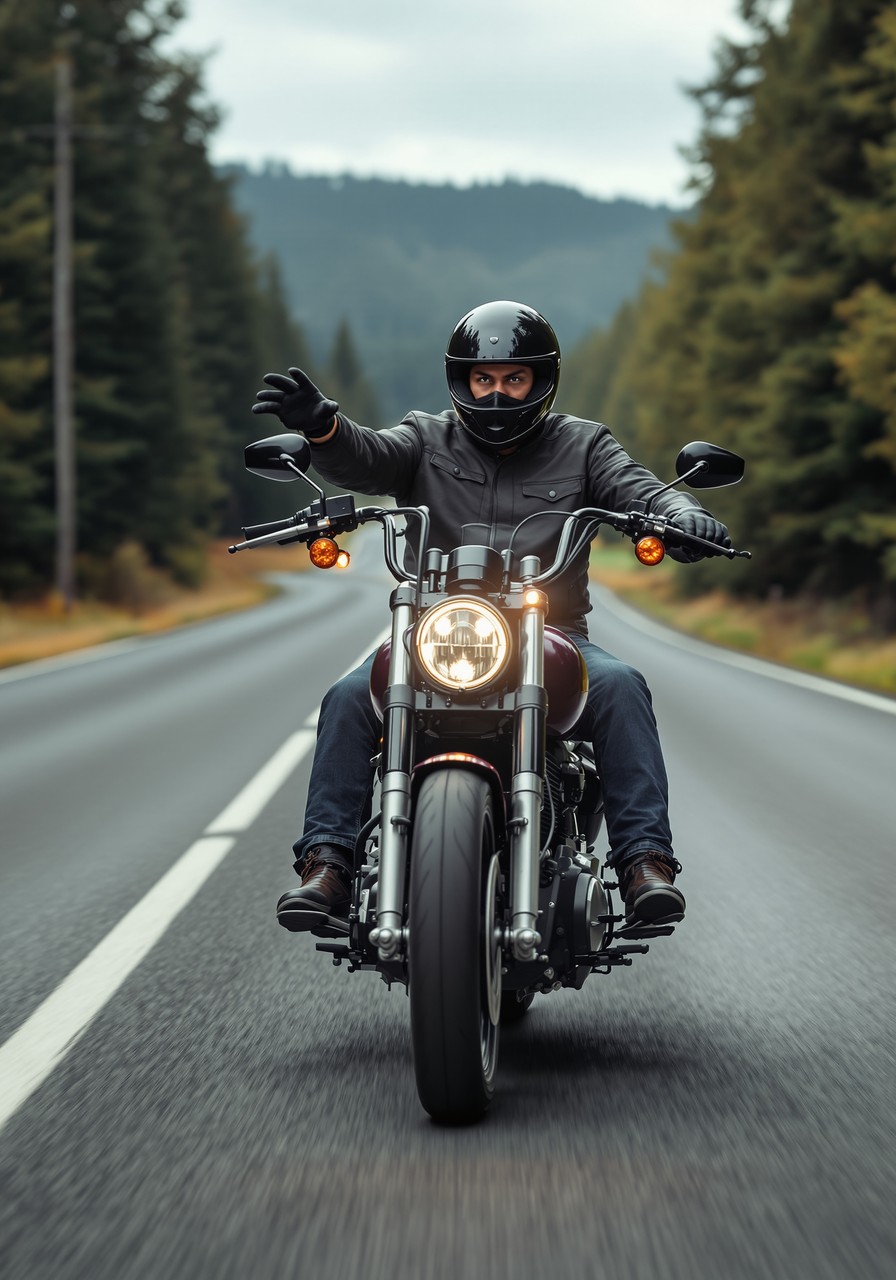
Drivers say "I just didn't see you" because they are not looking for motorcycles. Make yourself impossible to miss: lane position, hi-viz, and lights on. #RideNationOR #MotorcycleSafety #ATGATT
Engagement
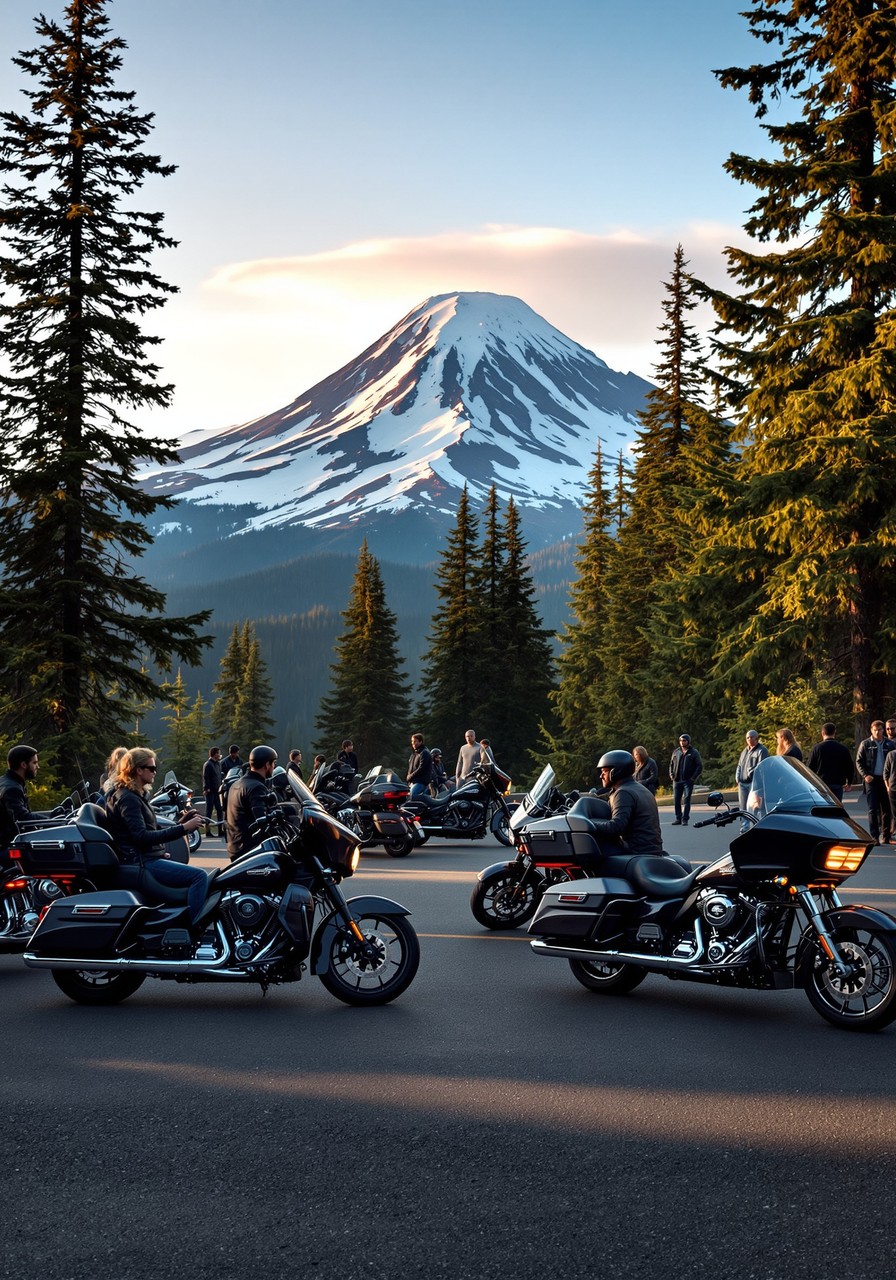
Tag the friend who still has not winterized their bike. Gentle nudge, from all of us. #RideNationOR #PNWMoto #OregonRiders
Giveaway & Countdown
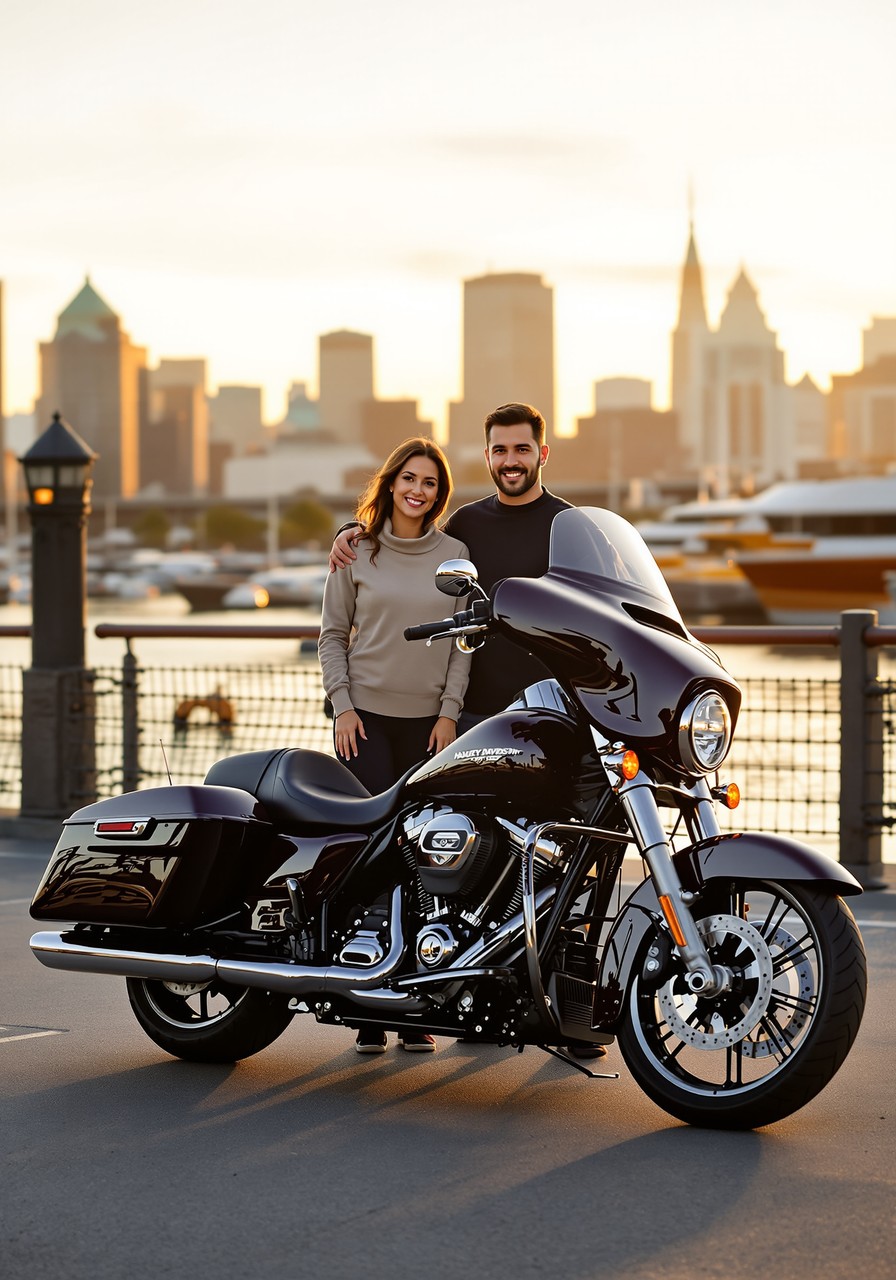
Picture it. Your name called for $20,000. Keep that energy, Ride Nation. #RideNationOR #20kGiveaway #PNWMoto
Local OR & Rides
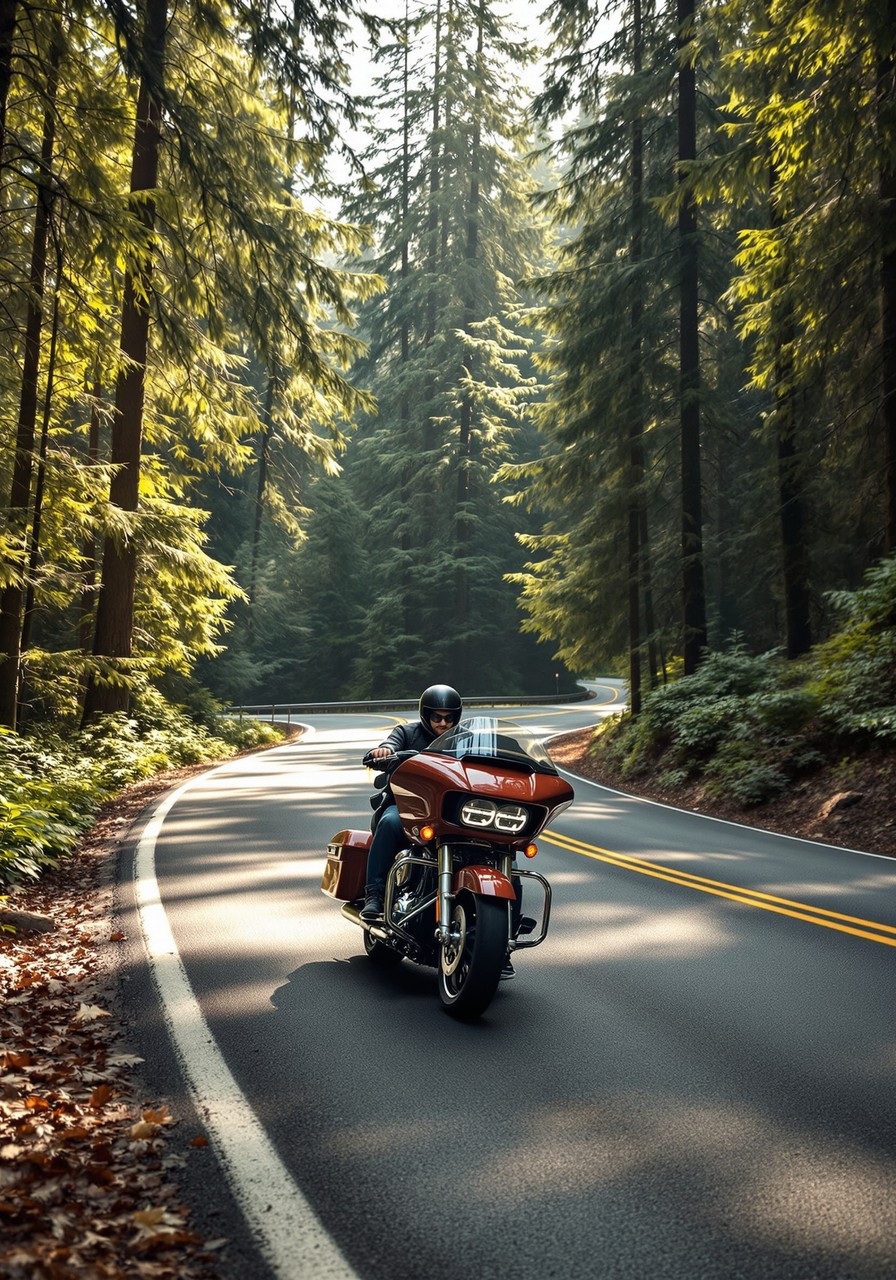
Cornelius Pass connects the valley to the coast highway with a fun set of curves. Log trucks use it too, so hold your line. #RideNationOR #OregonRiders #MotorcycleRoads
Gear & New Iron
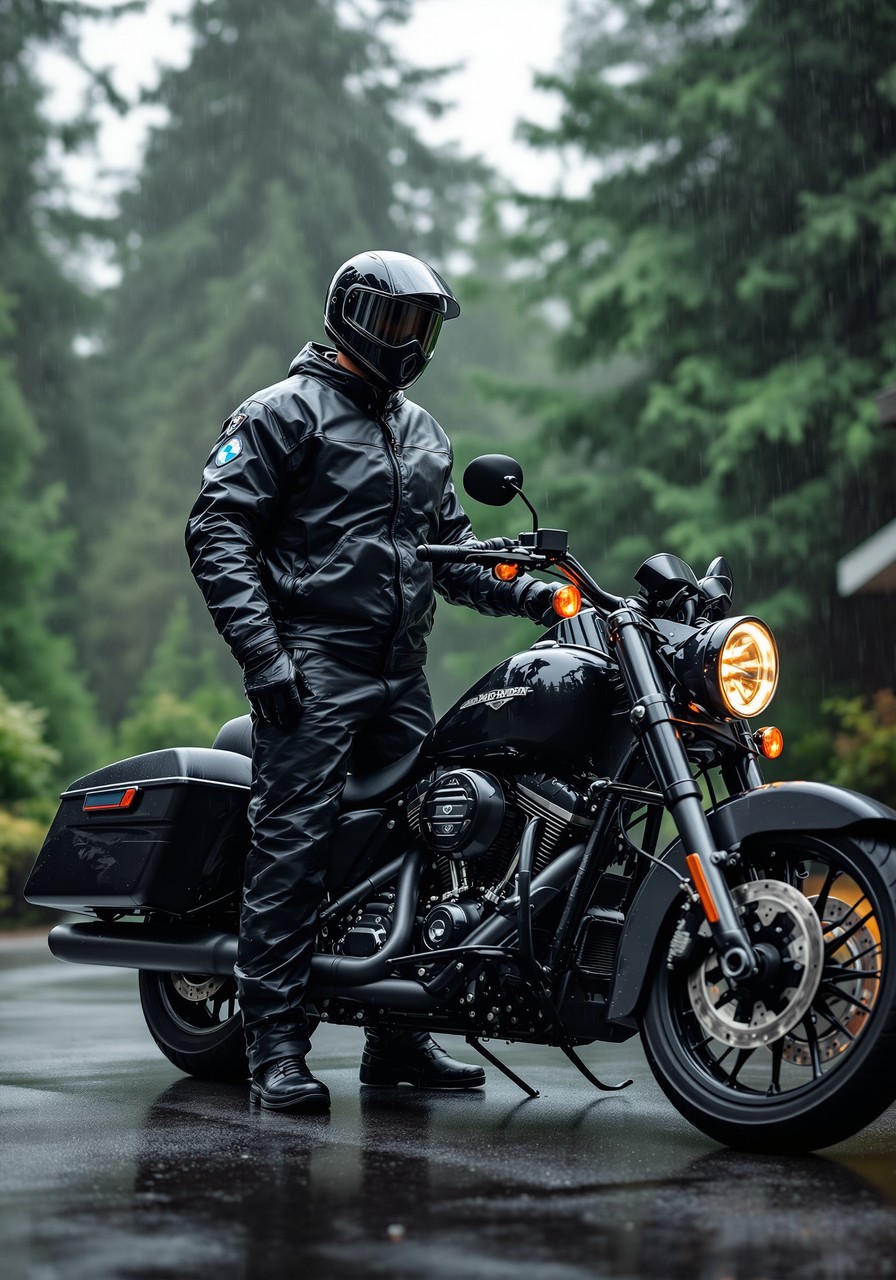
Fuel stabilizer before storage. Fill the tank, add stabilizer, run it a few minutes so it reaches the carbs or injectors. #RideNationOR #MotorcycleMaintenance #RiderTips
Safety & OR Law
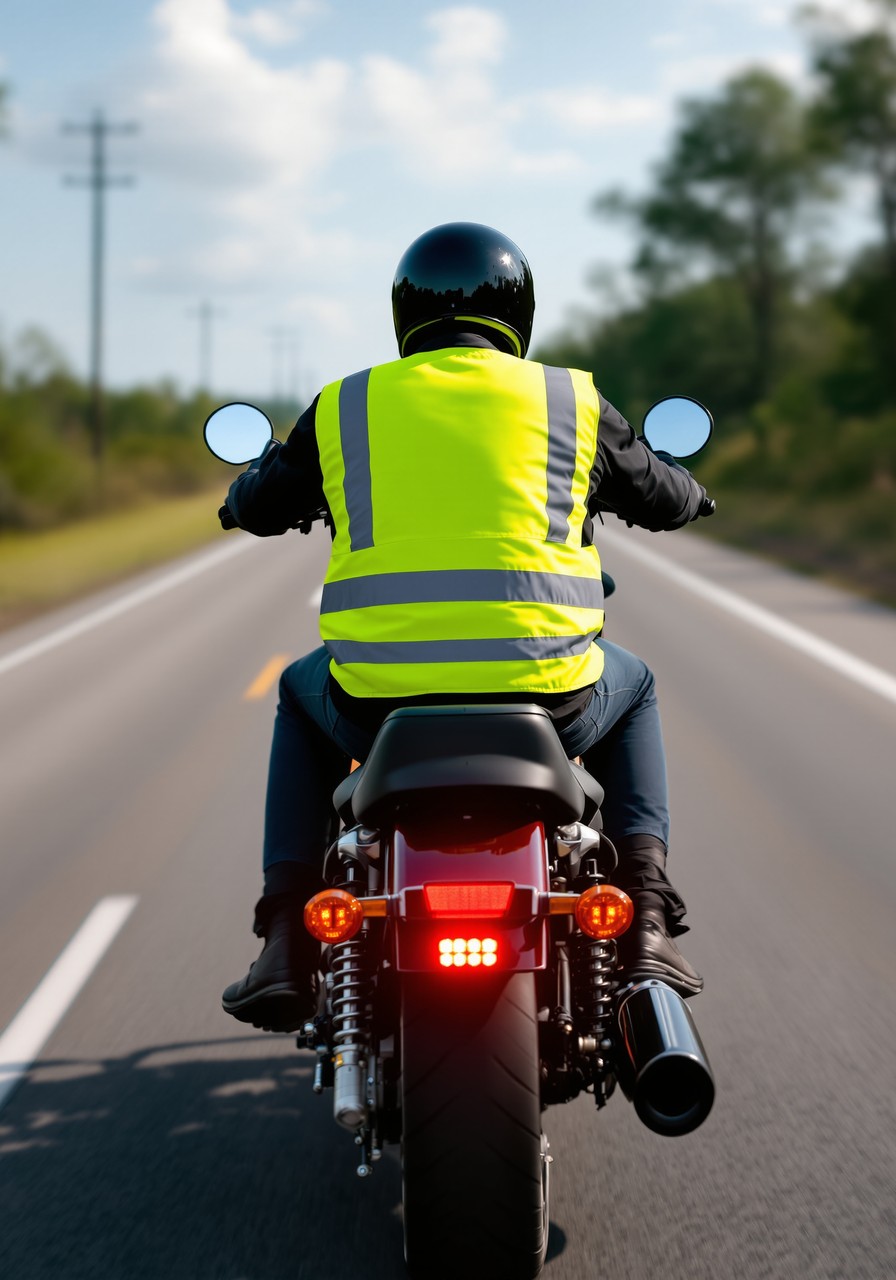
Cross MAX and streetcar tracks as close to 90 degrees as you safely can, especially in the rain. A shallow angle is how the front tucks. #RideNationOR #MotorcycleSafety #PNWMoto
Engagement
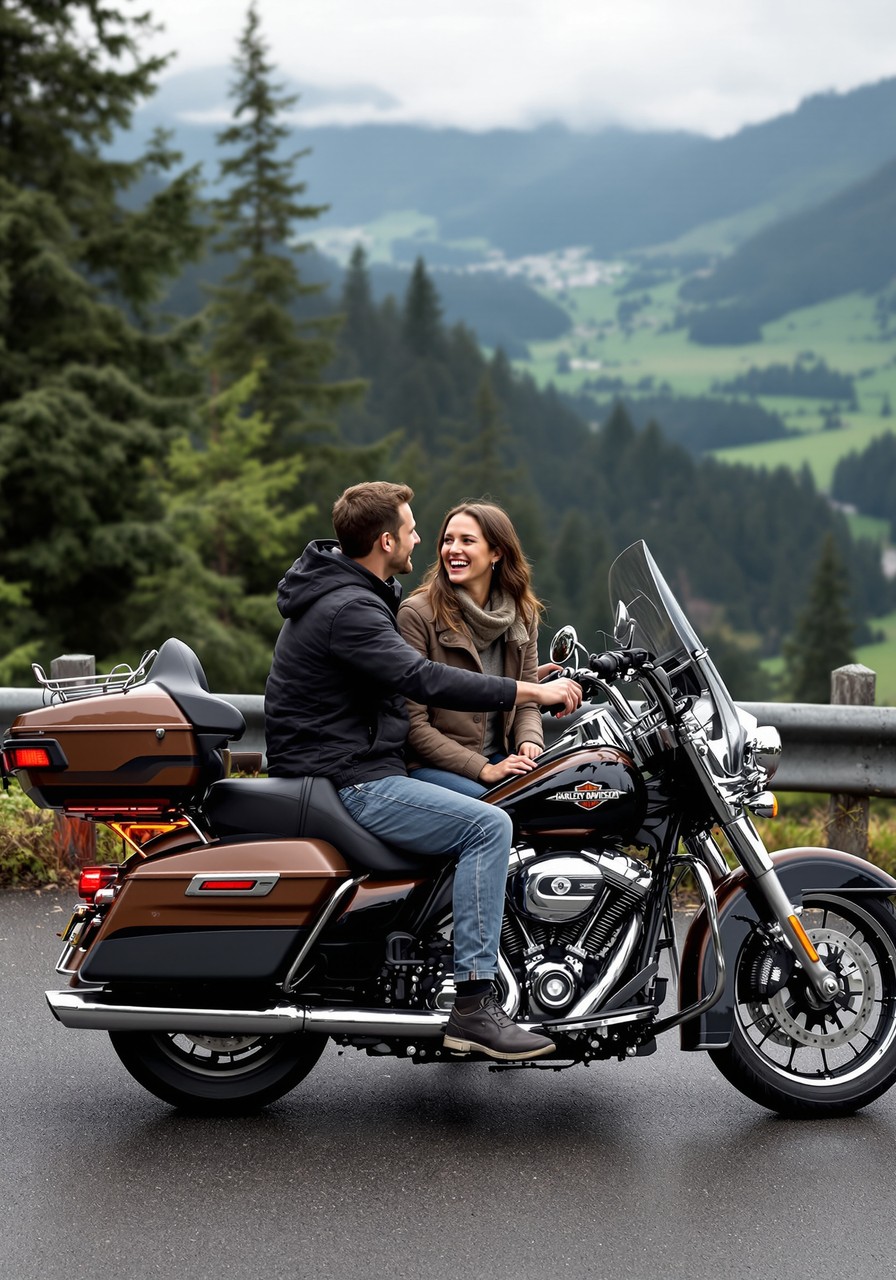
Poll: coffee stop on a ride is (a) mandatory, (b) nice to have, (c) only if it is raining. Cast your vote. #RideNationOR #PortlandRiders #TwoWheels
Giveaway & Countdown
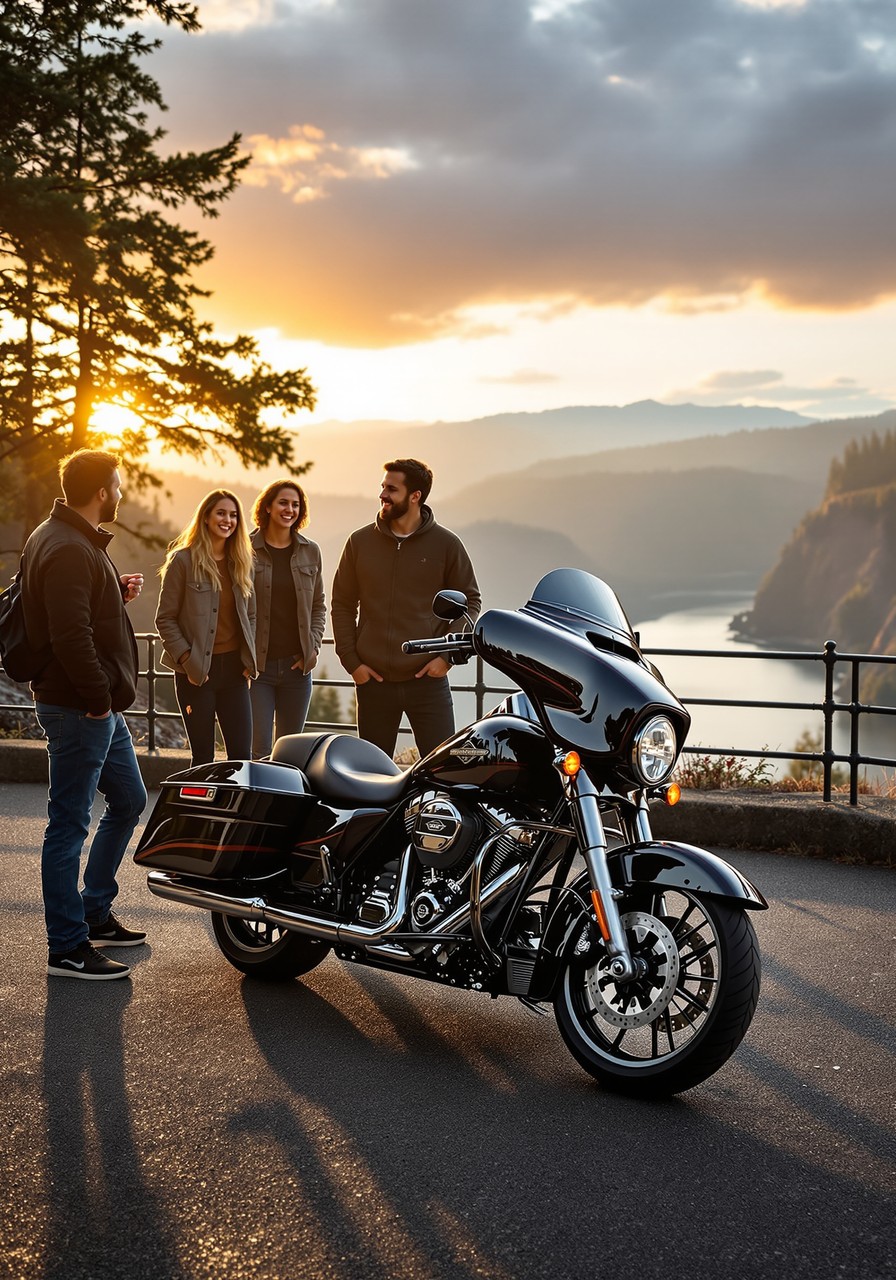
The buzz is real across Oregon. This $20K giveaway is all anyone is talking about. #RideNationOR #MotorcycleGiveaway #OregonRiders
Local OR & Rides
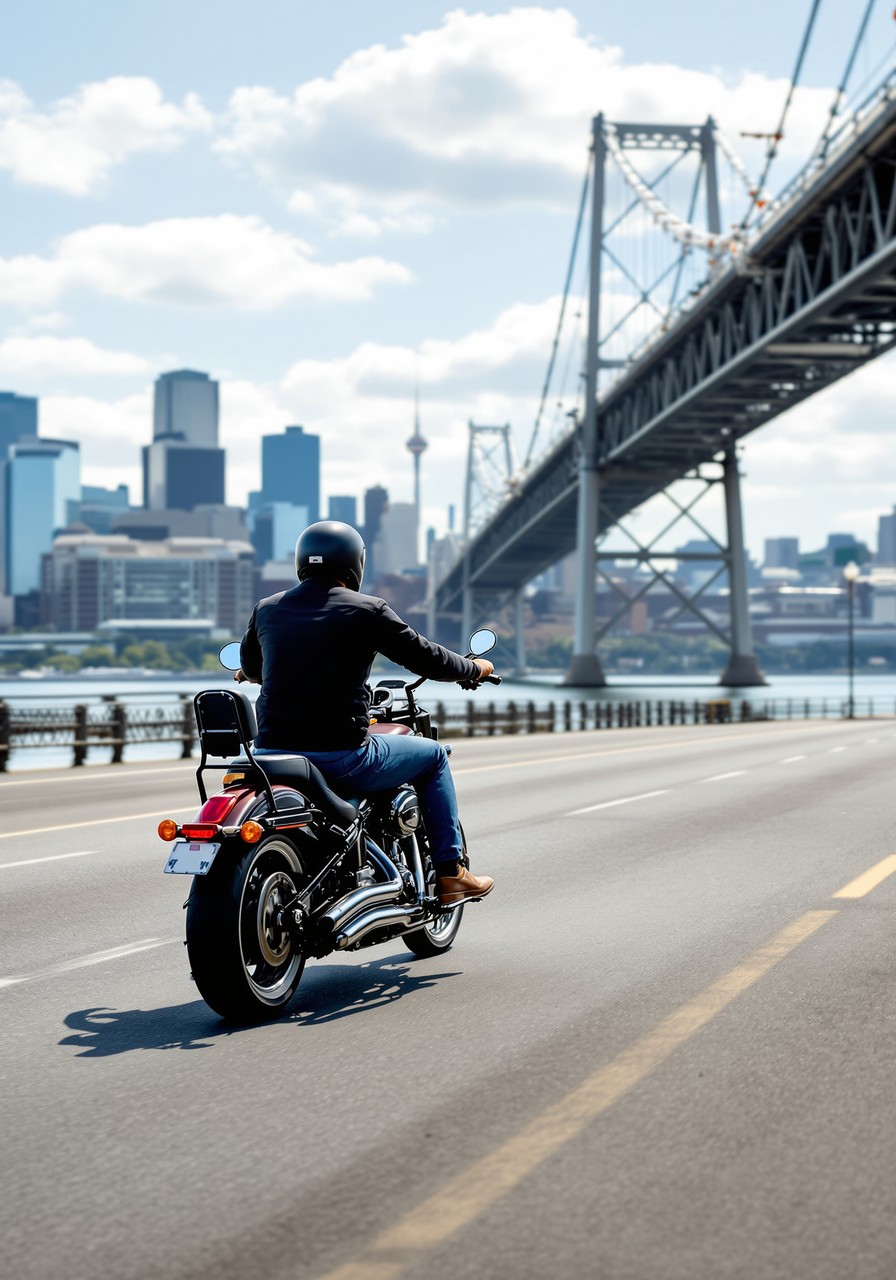
Hood River is the natural halfway stop on any Gorge day. Grab lunch, watch the windsurfers, then point it home. #RideNationOR #ColumbiaGorge #MountHood
Gear & New Iron
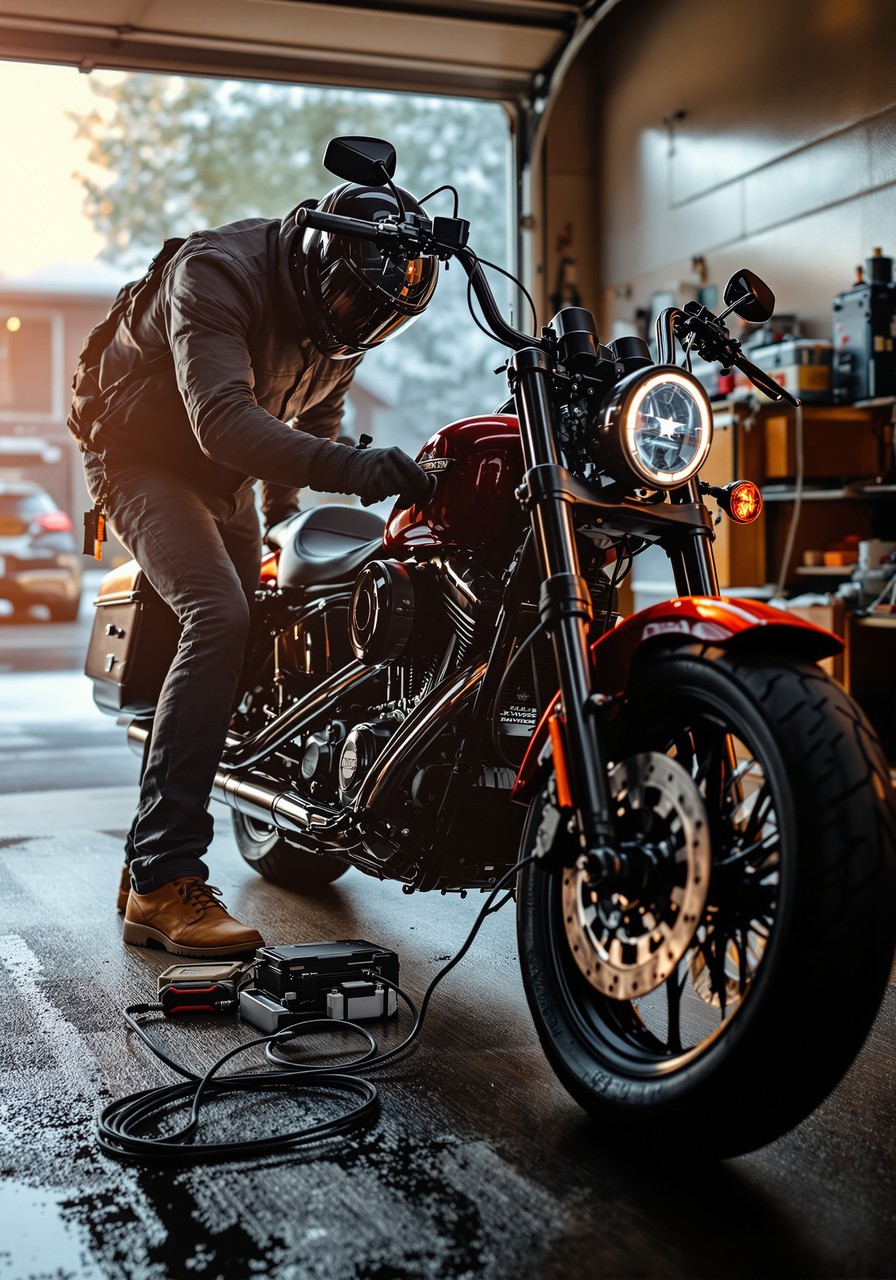
Storing for winter? Top off the tank to keep condensation and rust out, then park it dry and covered. #RideNationOR #MotorcycleMaintenance #GearUp
Safety & OR Law
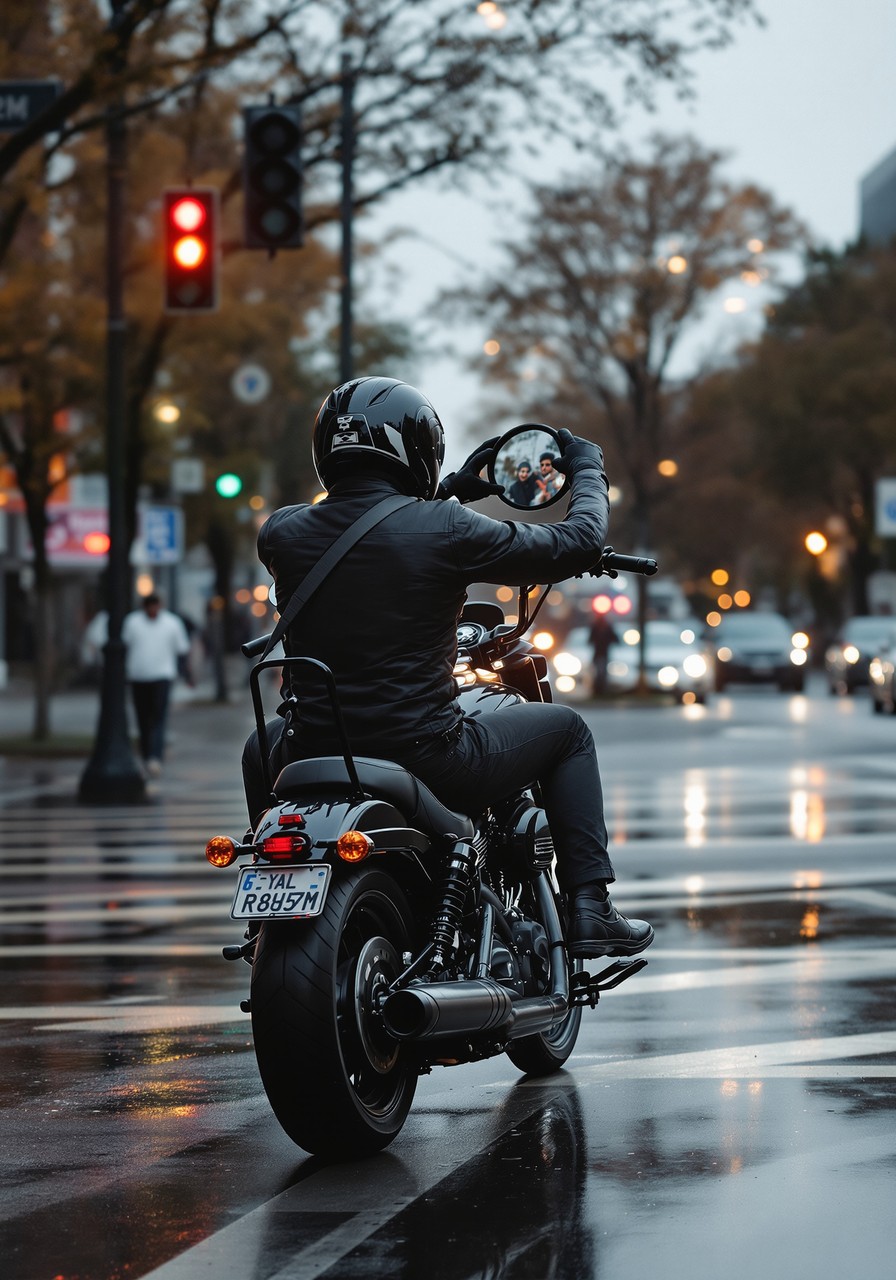
The first rain after a dry stretch is the most dangerous ride of the season. Oil rises, grip drops, so slow your entries and widen your gaps. #RideNationOR #MotorcycleSafety #PNWMoto
Engagement
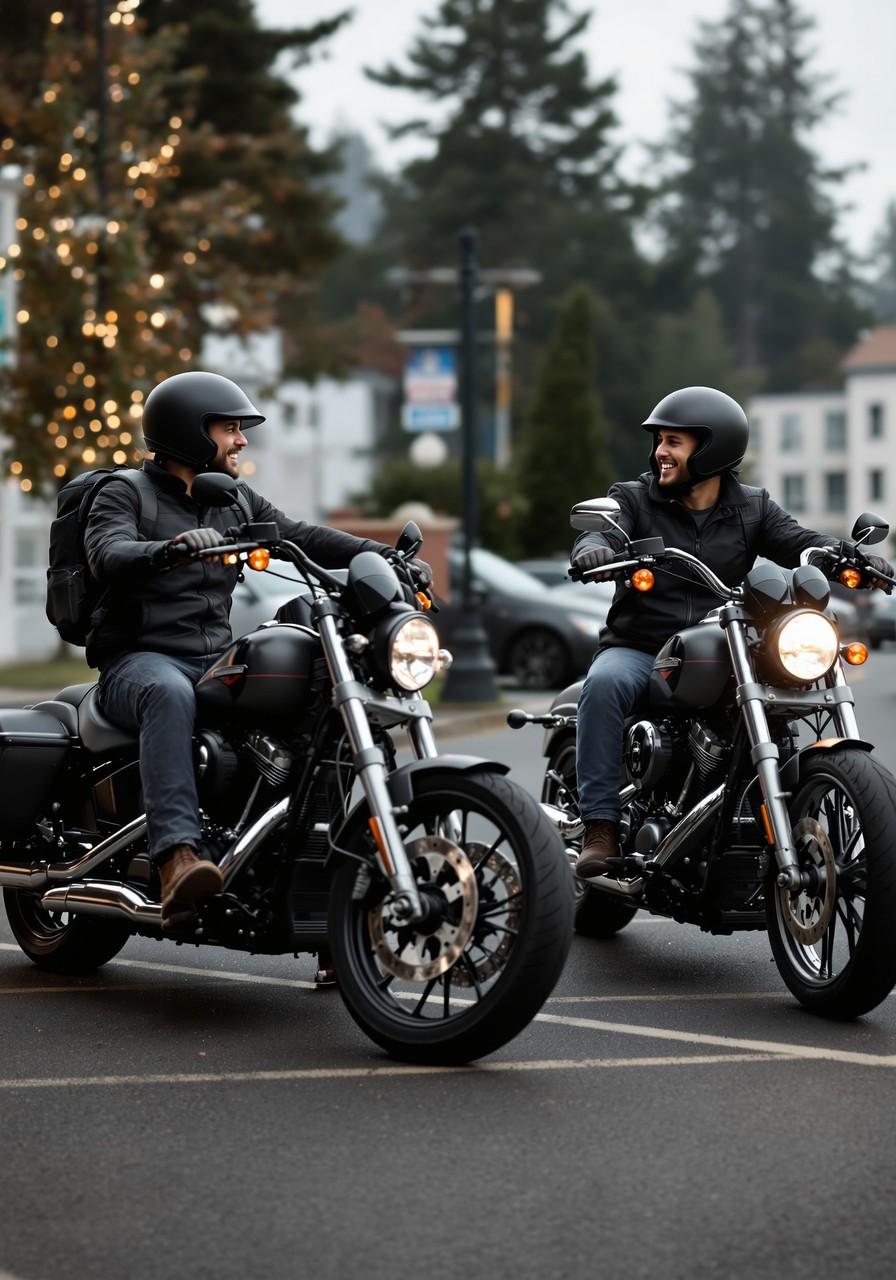
What is your dry-day fever tell? Ours is checking the radar six times before breakfast. #RideNationOR #PacificNorthwest #PNWMoto
Giveaway & Countdown
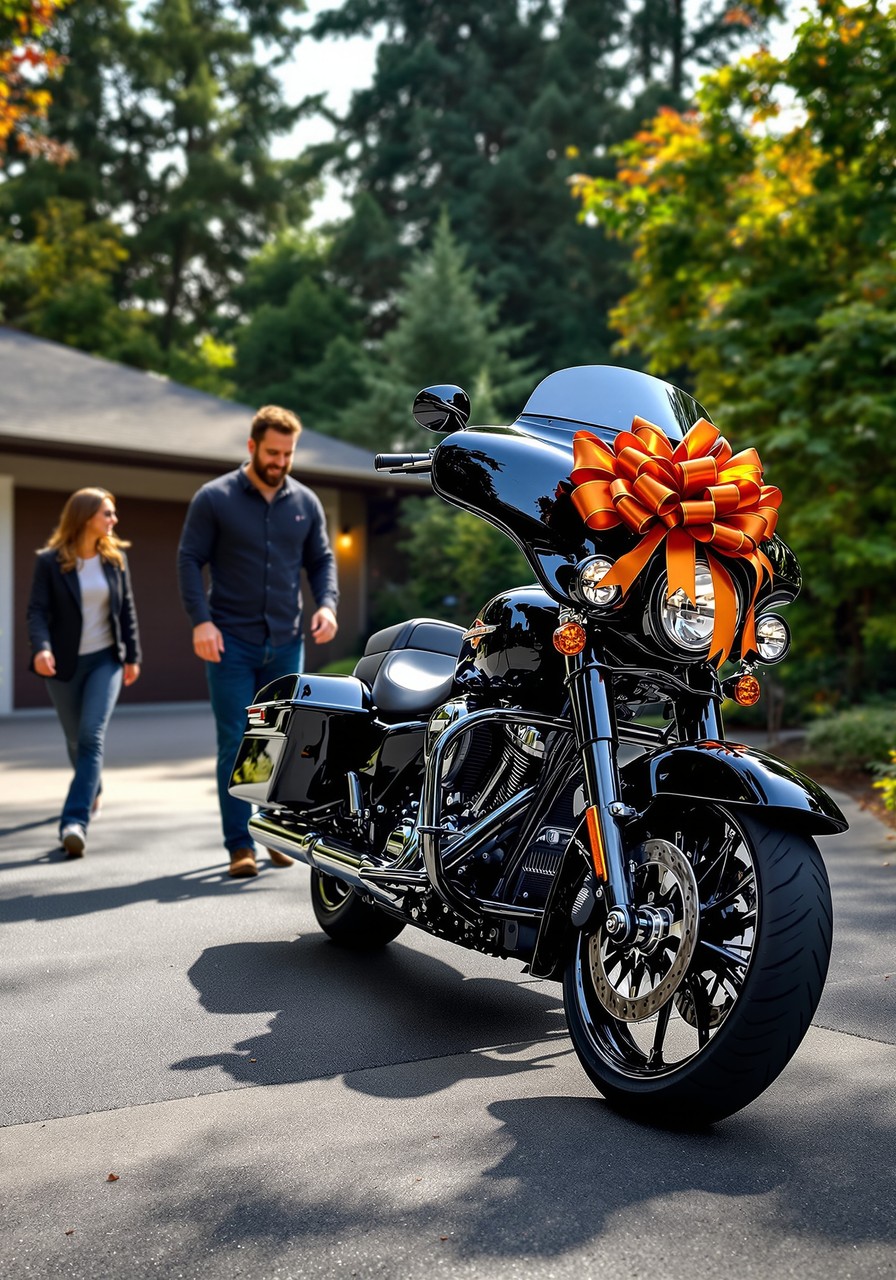
Countdown check. How many of your riding buddies have you looped in on the $20K? #RideNationOR #BikersWin #PortlandRiders
Local OR & Rides
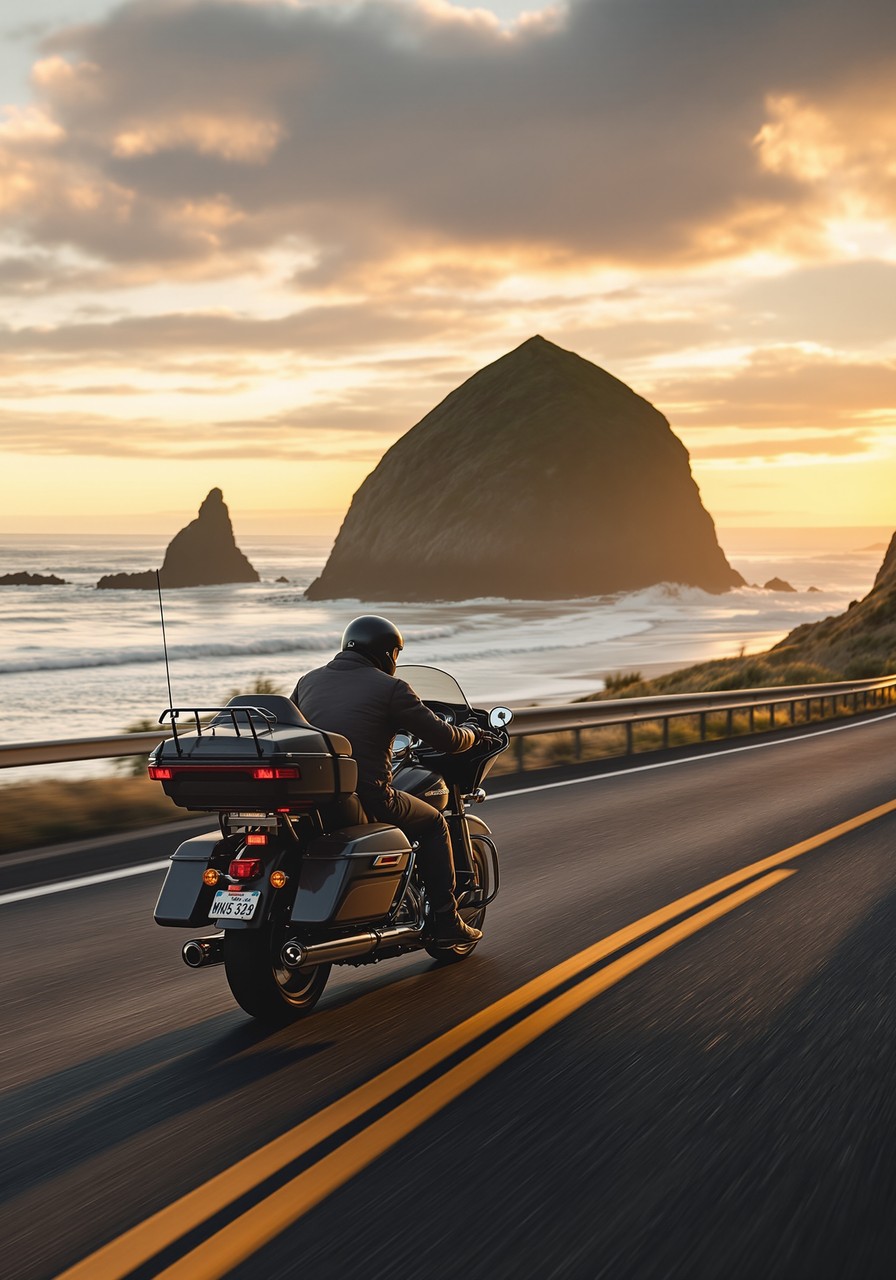
Germantown Road up to Skyline is a tight, shaded classic. In the wet months it is a leaf and moss minefield, so ride it easy. #RideNationOR #PortlandRiders #MotorcycleRoads
Gear & New Iron
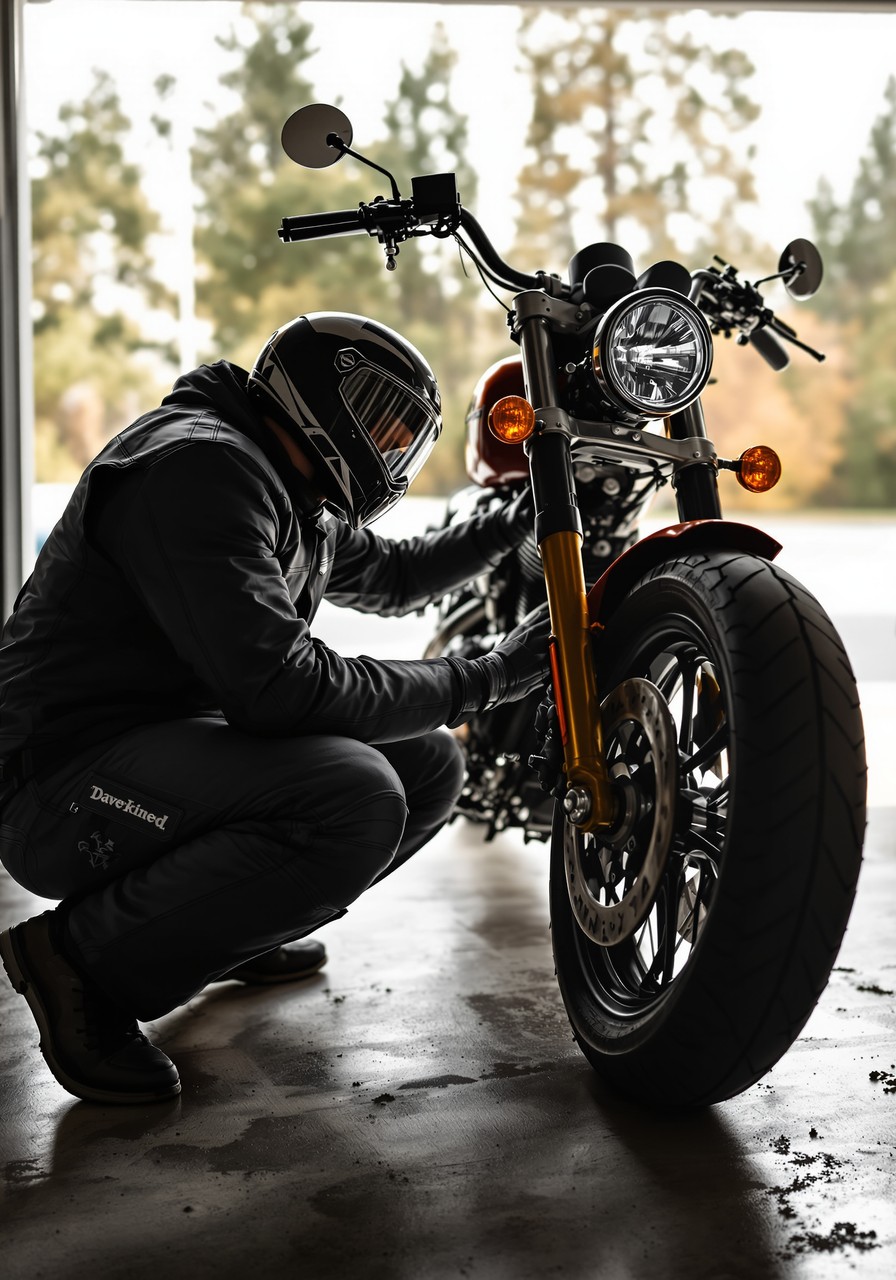
Dry your gear out fully between rides. Damp liners breed funk and lose their warmth, so hang everything and let it breathe. #RideNationOR #RainGear #RiderTips
Safety & OR Law
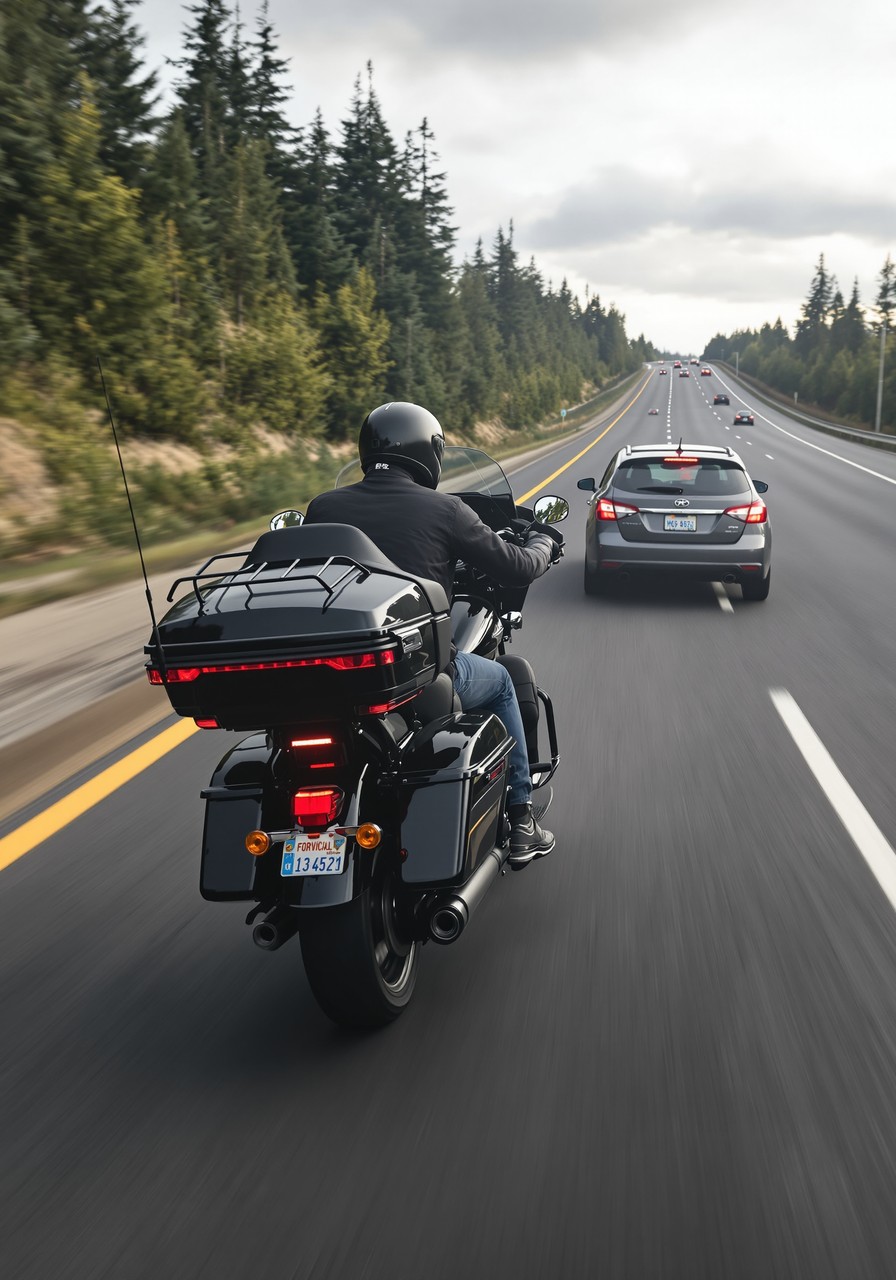
Painted lines and metal plates turn into glass when they are wet. Brake before them, not on them. #RideNationOR #MotorcycleSafety #PortlandRiders
Engagement
Caption this: the coast highway to yourself on a cold clear Tuesday, ocean on one side, nobody in the mirrors. #RideNationOR #OregonRiders #TwoWheels
Giveaway & Countdown
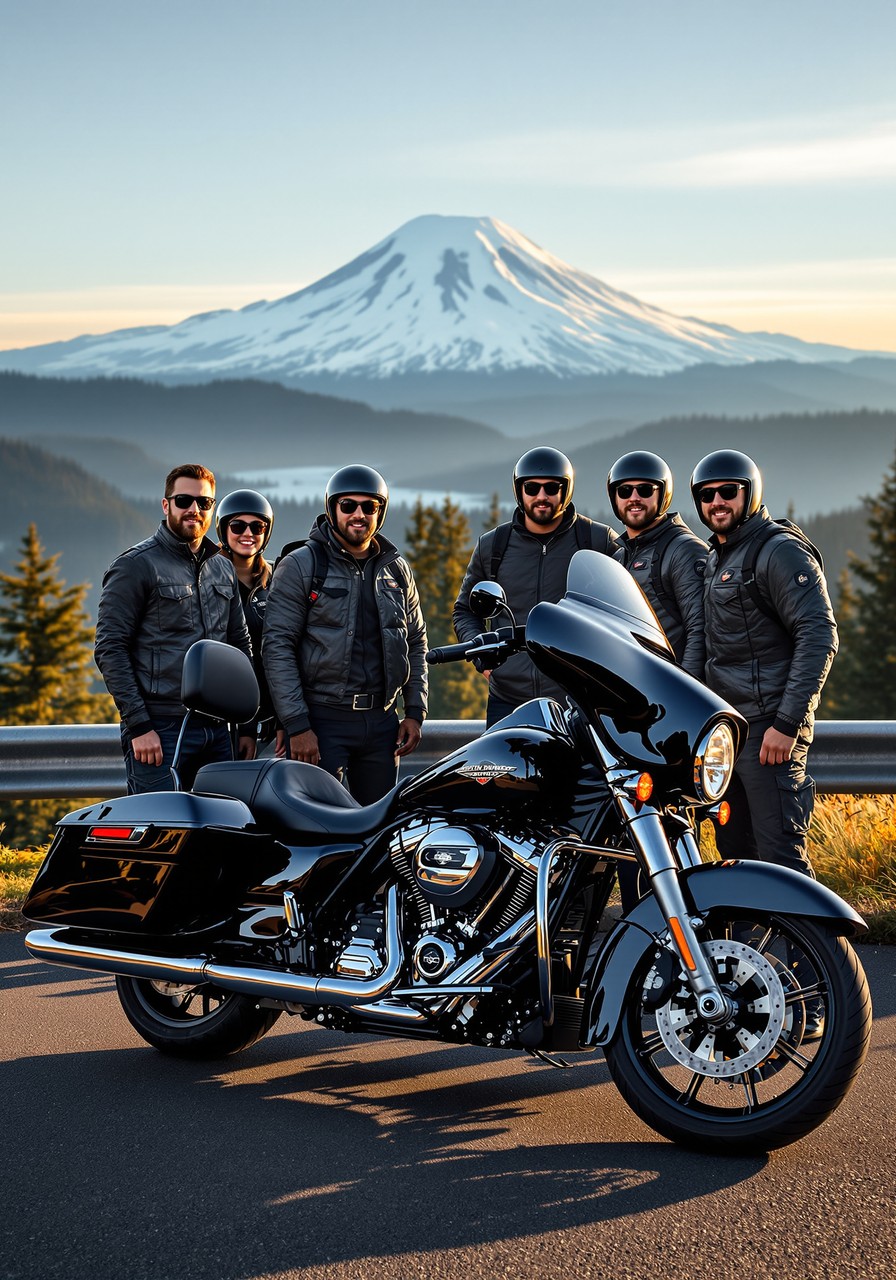
Spread the word, riders. The bigger this community grows, the better it feels. #RideNationOR #20kGiveaway #PNWMoto
Local OR & Rides
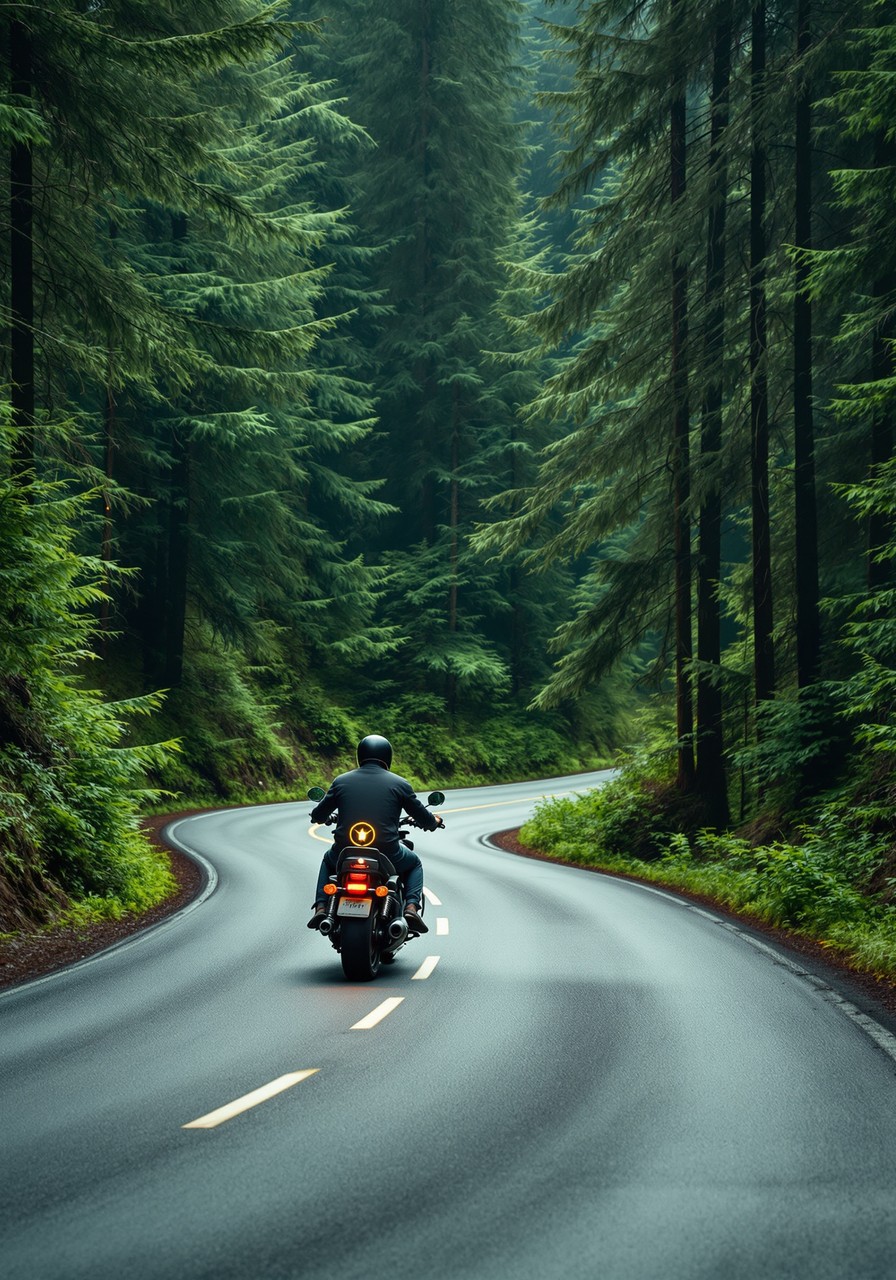
The Three Capes Scenic Loop on the coast is worth the detour off US-101. Ocean on one side the whole way. #RideNationOR #OregonCoast #PacificNorthwest
Gear & New Iron
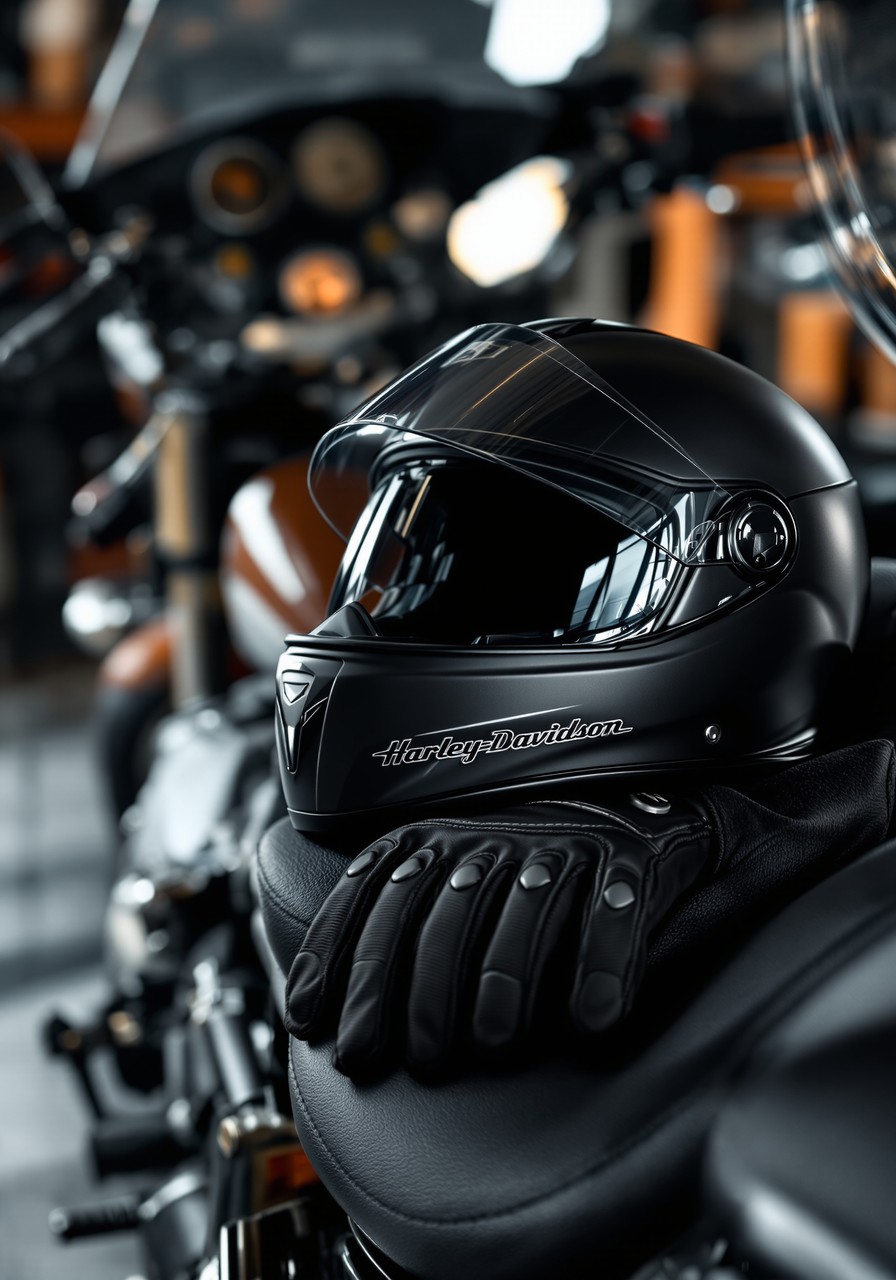
Newspaper stuffed in wet boots overnight pulls the moisture out. Old trick, still works better than a radiator. #RideNationOR #RainGear #RiderTips
Safety & OR Law
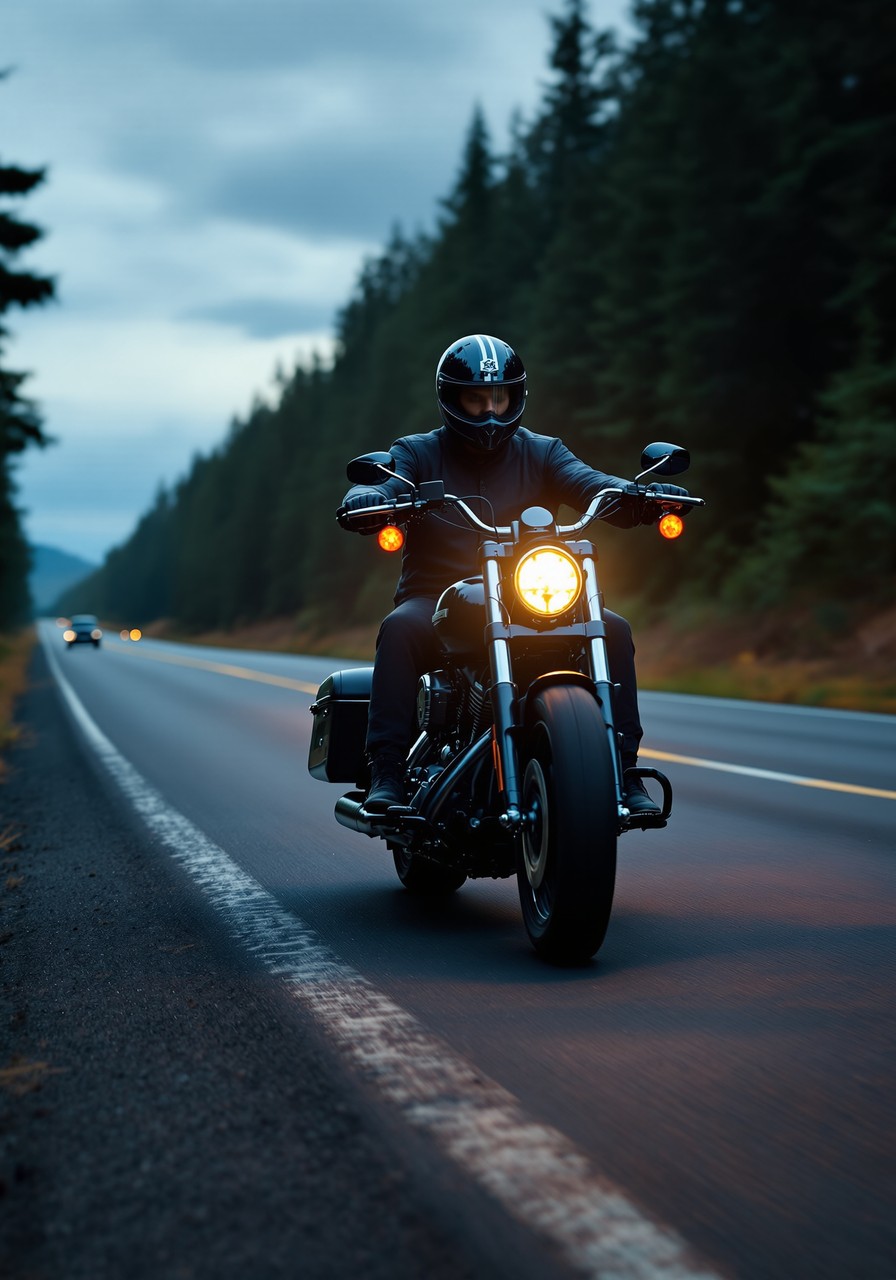
A helmet is required for every rider and passenger in Oregon, and full gear does the rest. ATGATT is not about the ticket, it is about the ride home. #RideNationOR #ATGATT #MotorcycleSafety
Engagement
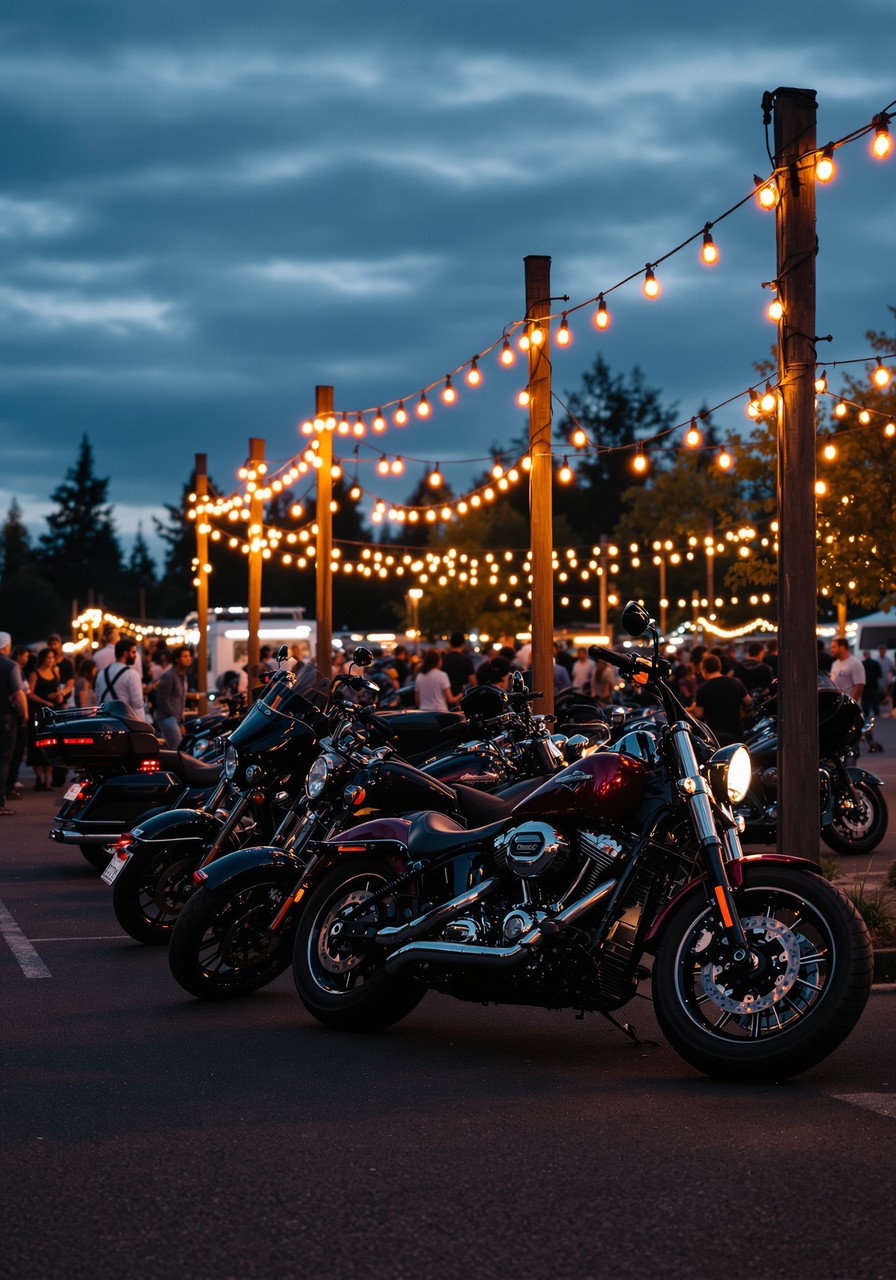
Favorite season to ride in the Northwest and why? Defend your pick in the comments. #RideNationOR #PacificNorthwest #PortlandRiders
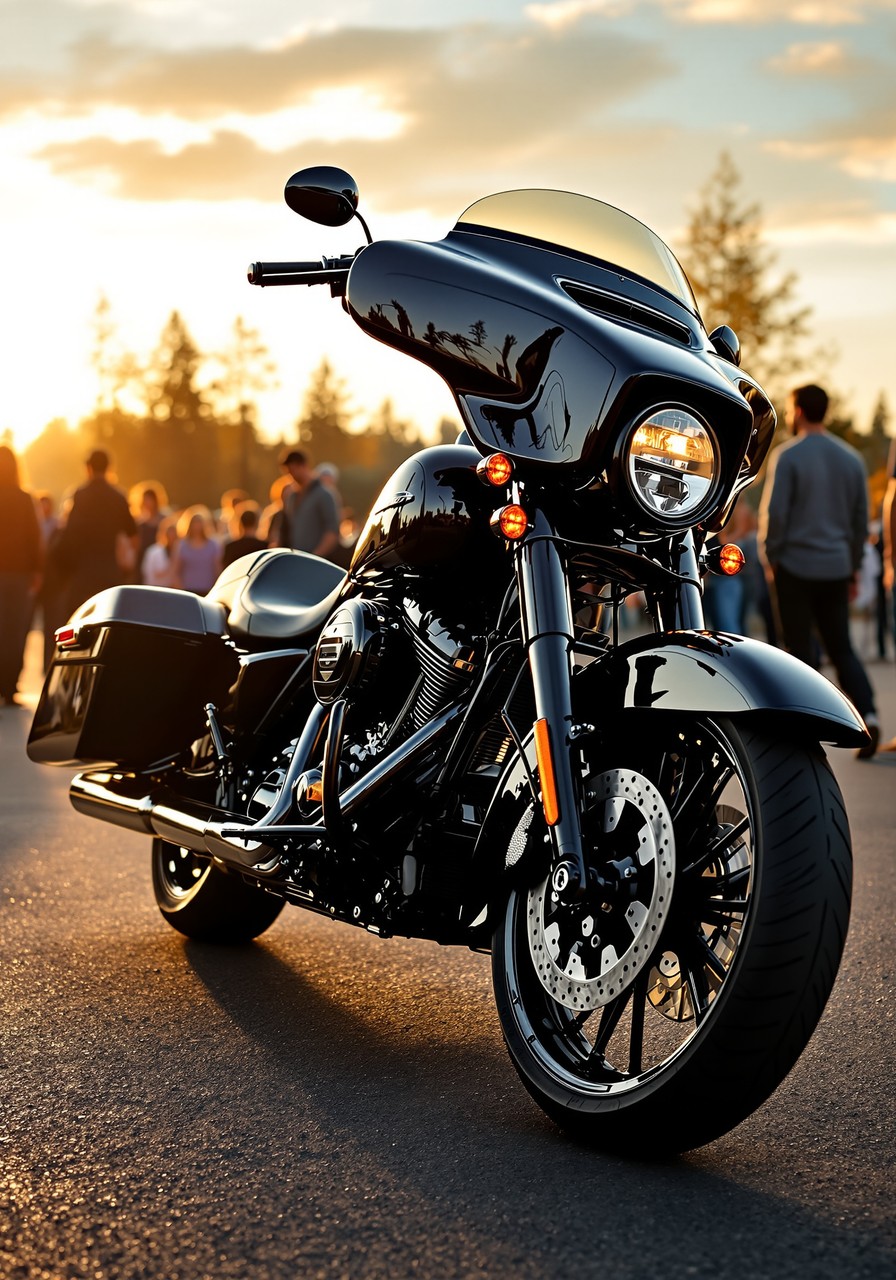
Giveaway & Countdown
Somebody is going to wake up $20,000 happier. Could be you. Could be your riding partner. #RideNationOR #BikersWin #OregonRiders
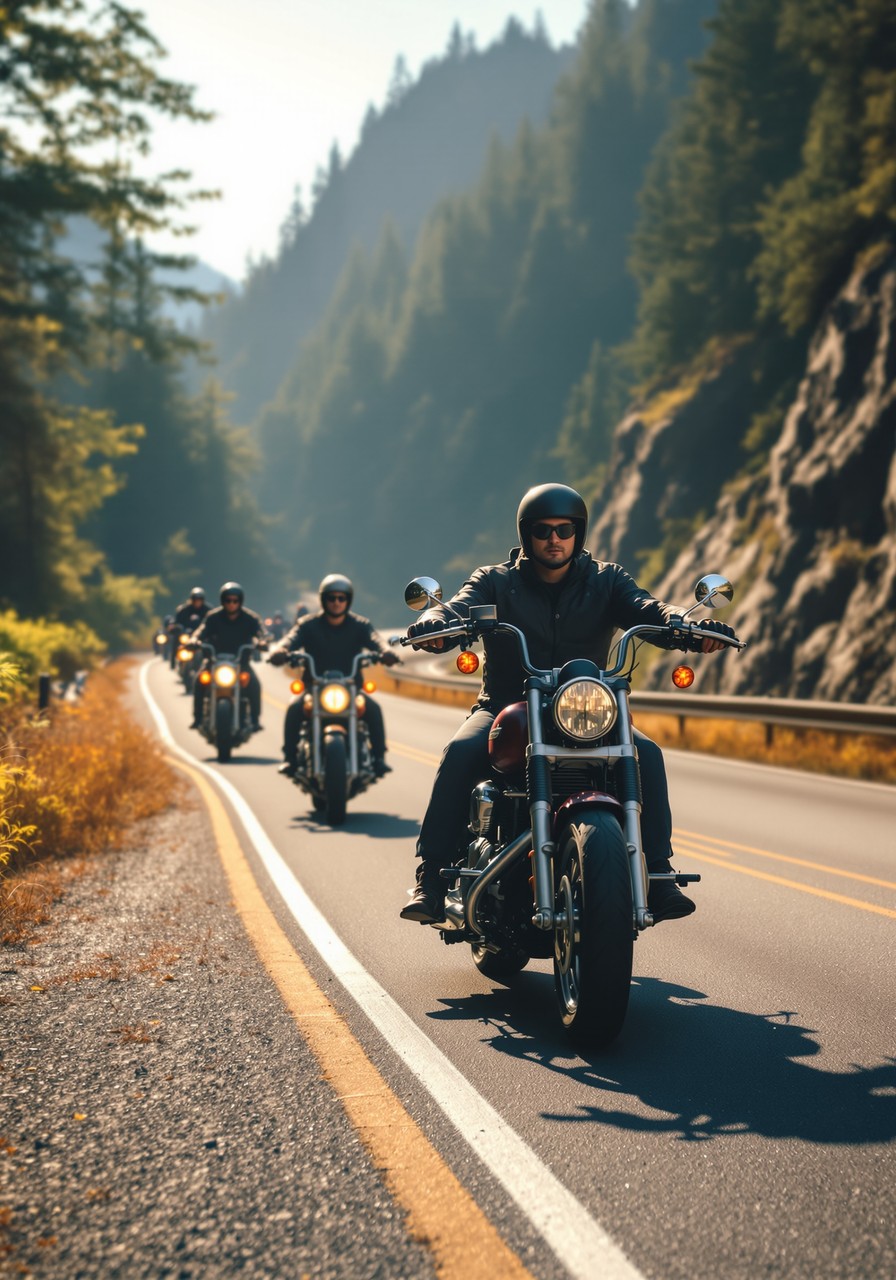
Local OR & Rides
Government Camp is the pit stop on the Mount Hood Loop. Snow lingers up high into spring, so check the pass before you go. #RideNationOR #MountHood
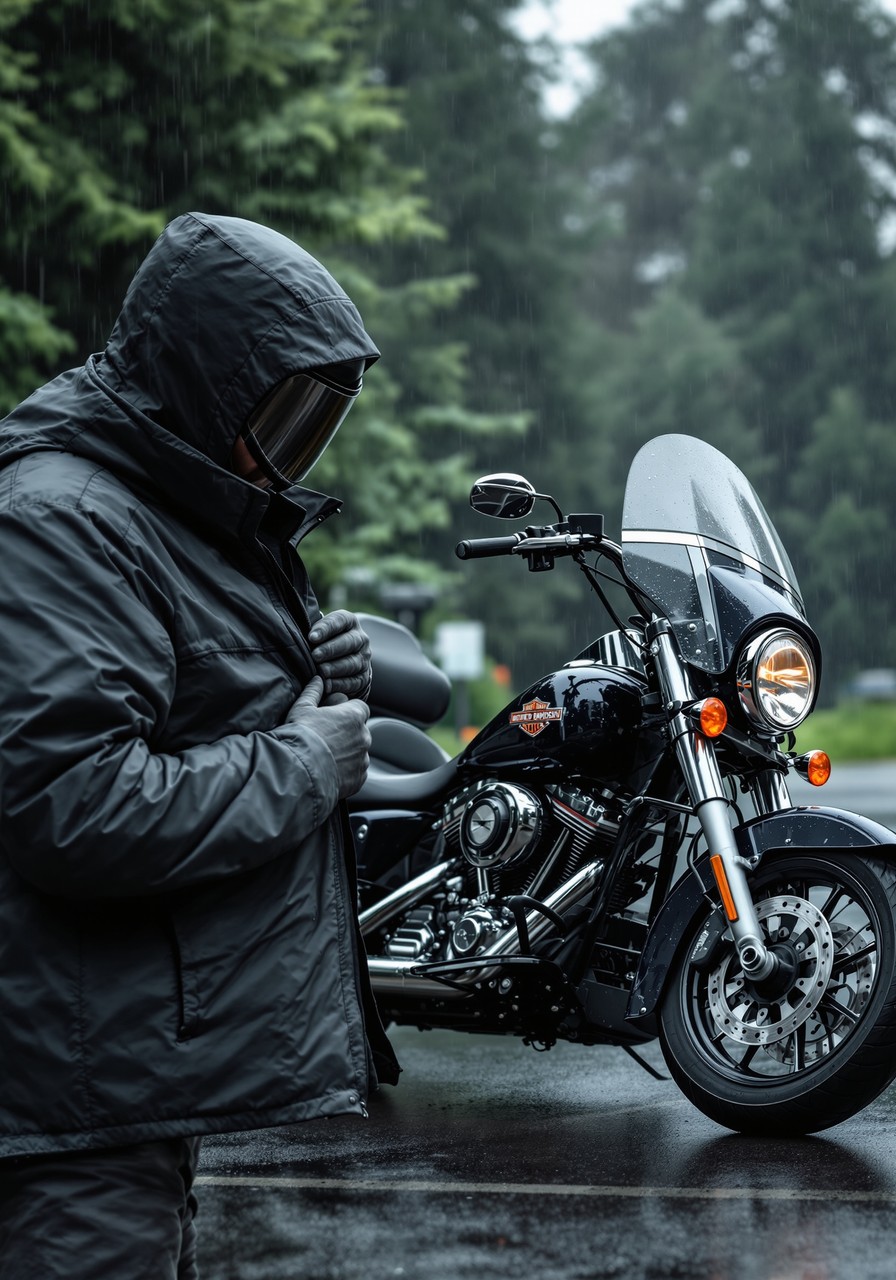
Gear & New Iron
A proper cover keeps your bike dry in the driveway and stops surface rust from starting in the wet months. #RideNationOR #MotorcycleMaintenance #PNWMoto
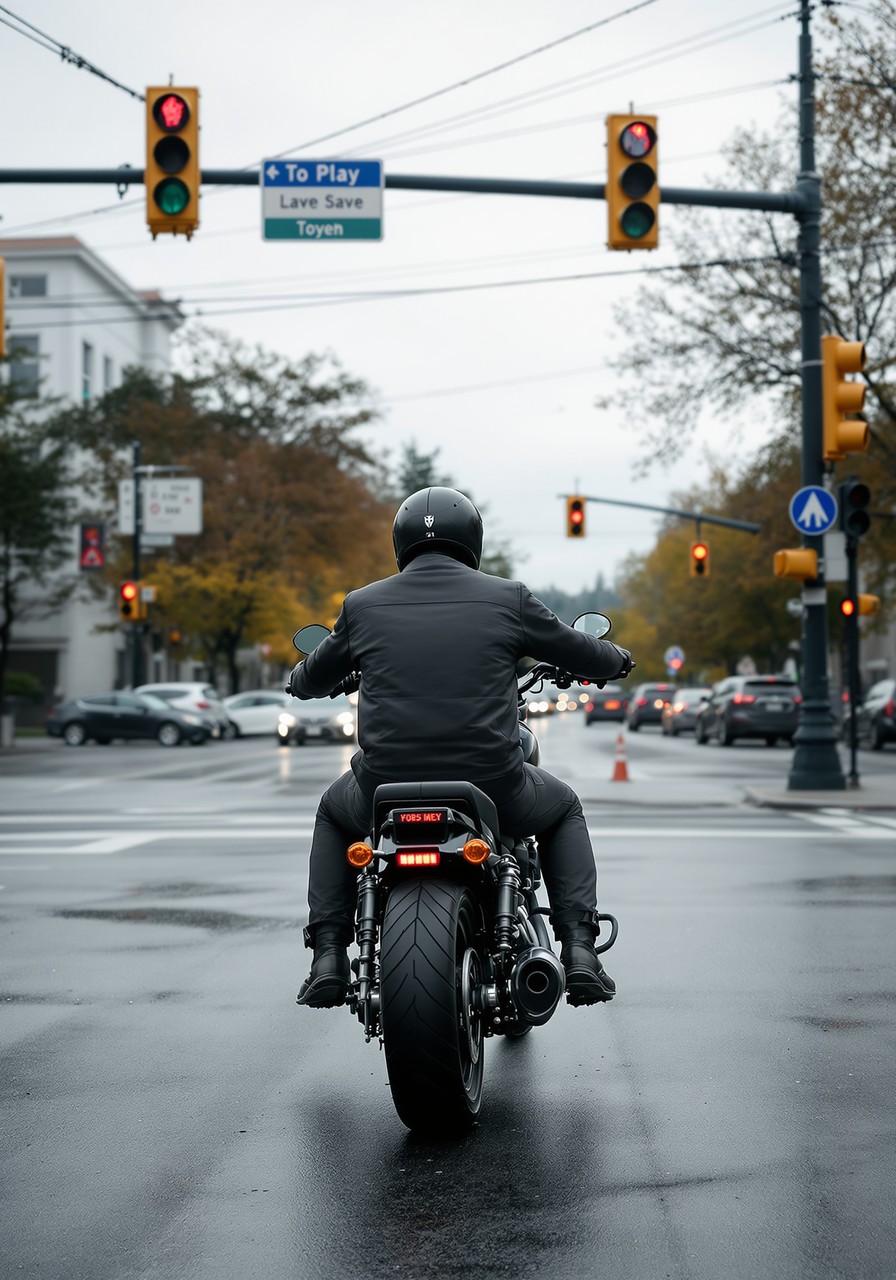
Safety & OR Law
Wet leaves hide on shaded corners all over Portland this time of year. Treat every leaf-covered patch like black ice. #RideNationOR #MotorcycleSafety #OregonRiders
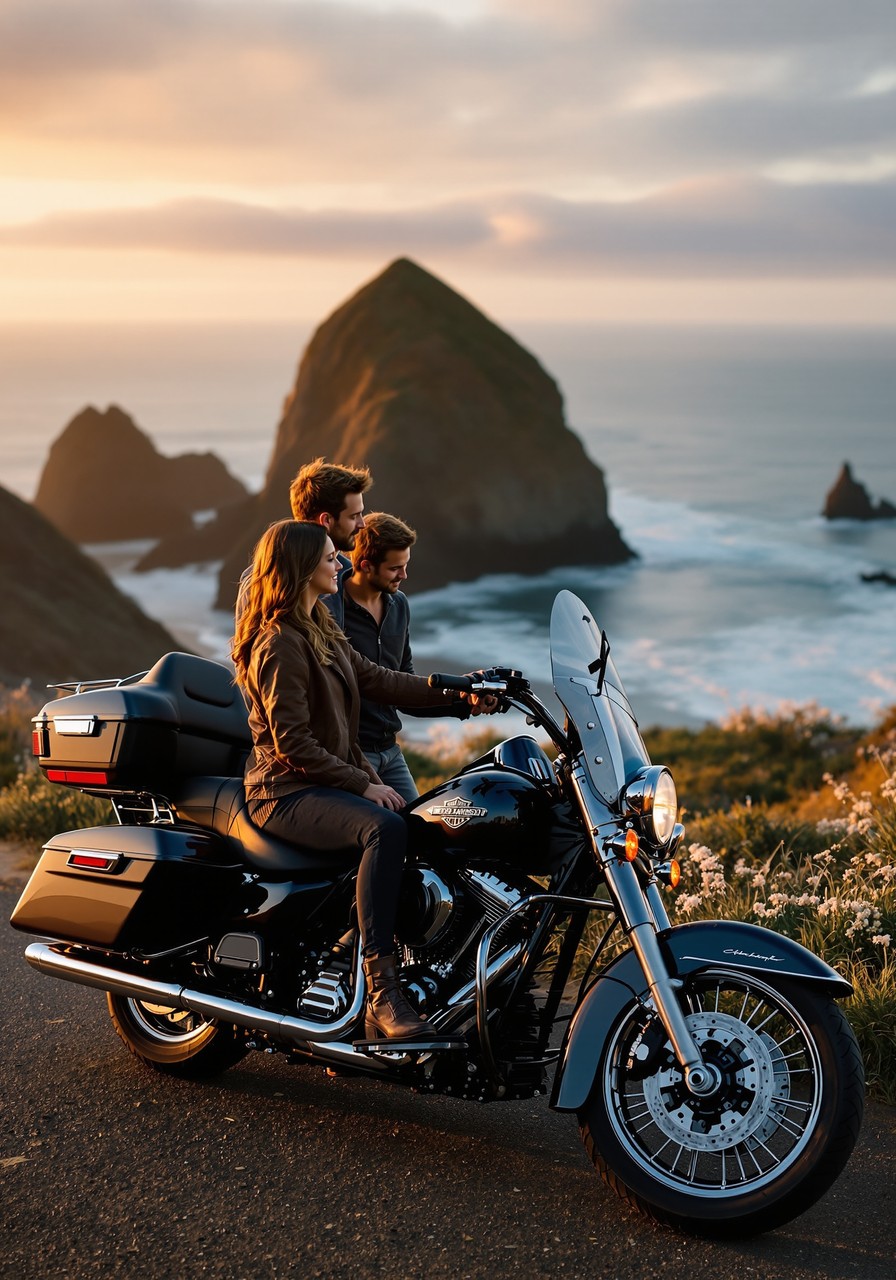
Engagement
Fill in the blank: My spring 2027 bucket-list ride is ______, and I am already counting down. #RideNationOR #MountHood #OregonRiders
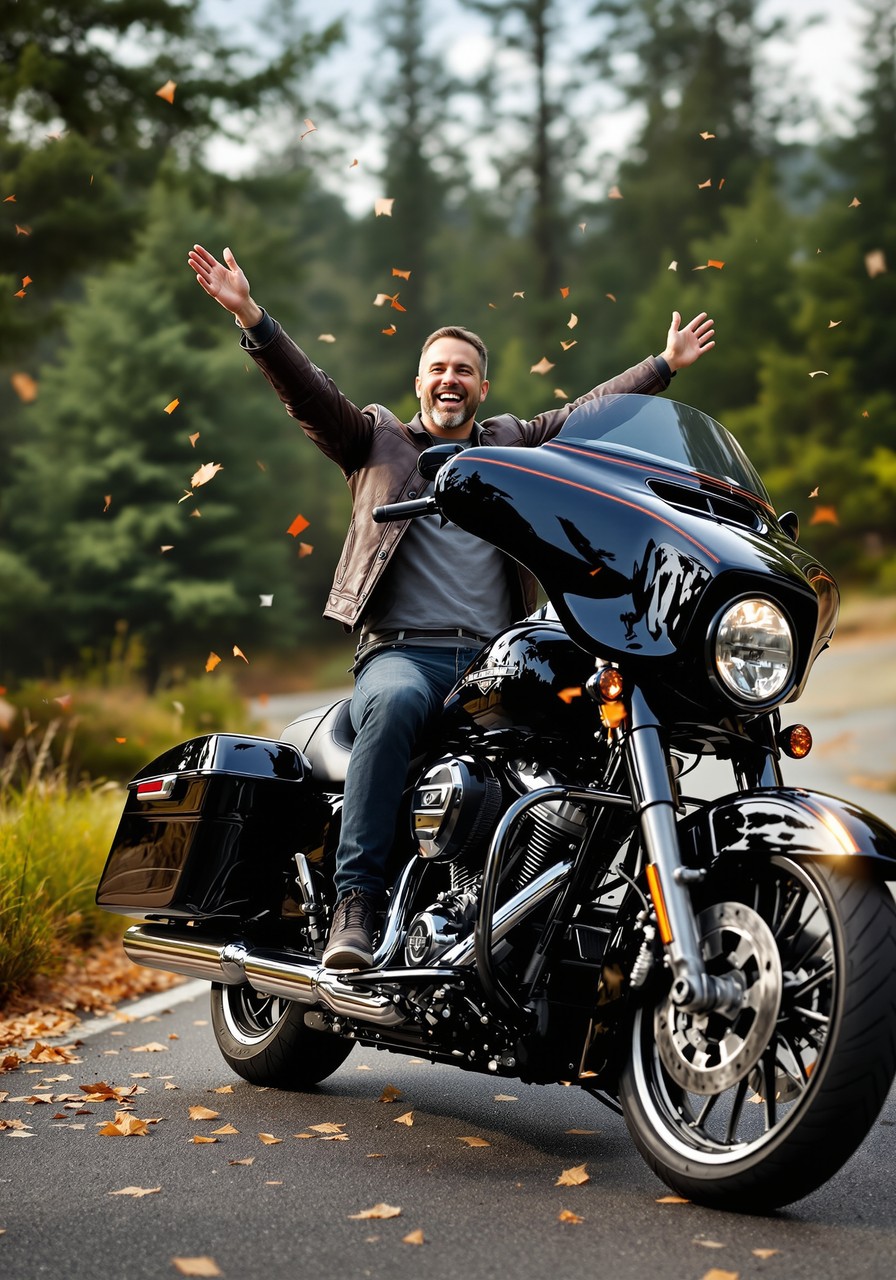
Giveaway & Countdown
Milestone unlocked, Ride Nation. Word of the $20K giveaway is reaching riders all over Portland. #RideNationOR #MotorcycleGiveaway #PortlandRiders
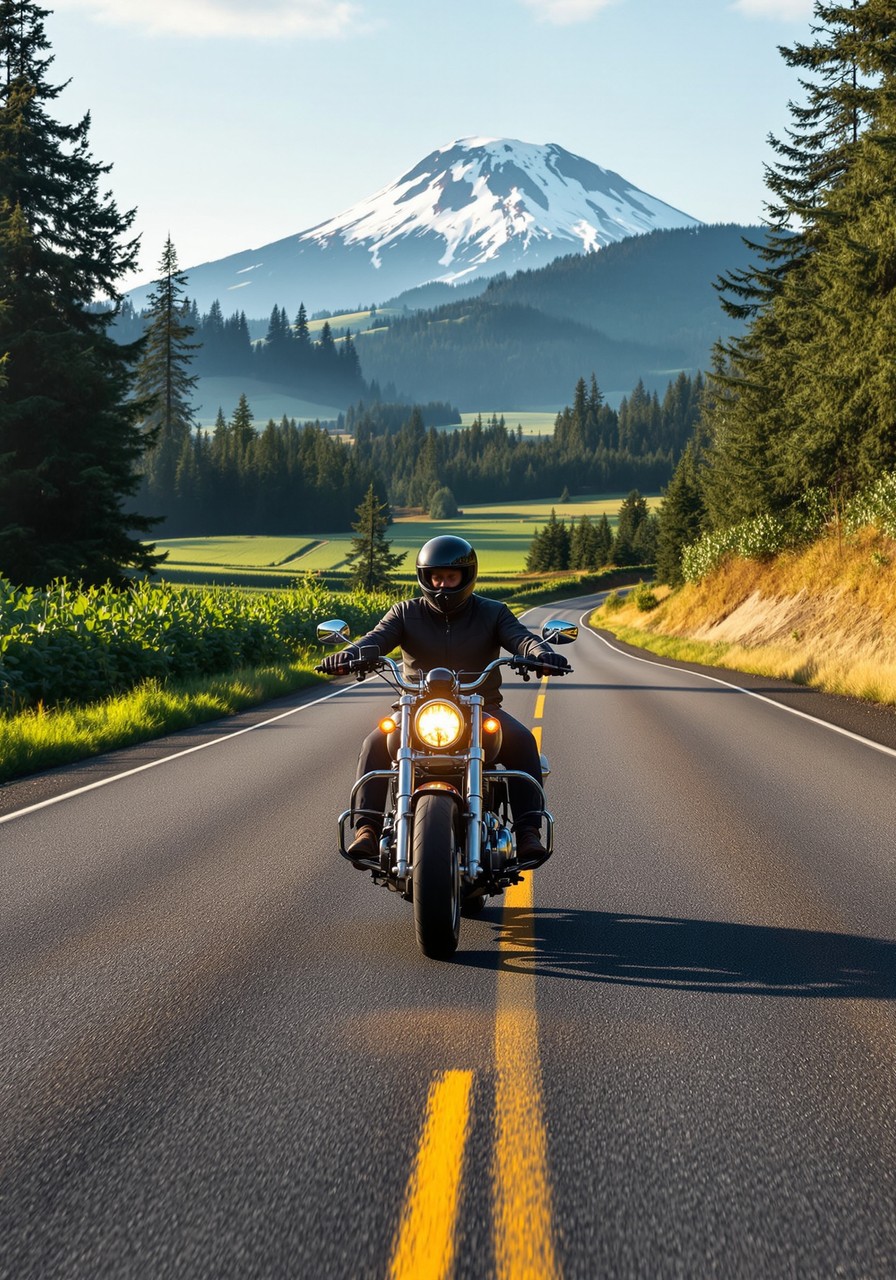
Local OR & Rides
Terwilliger Blvd winding down through the trees is an easy after-work loop close to downtown. #RideNationOR #PortlandRiders
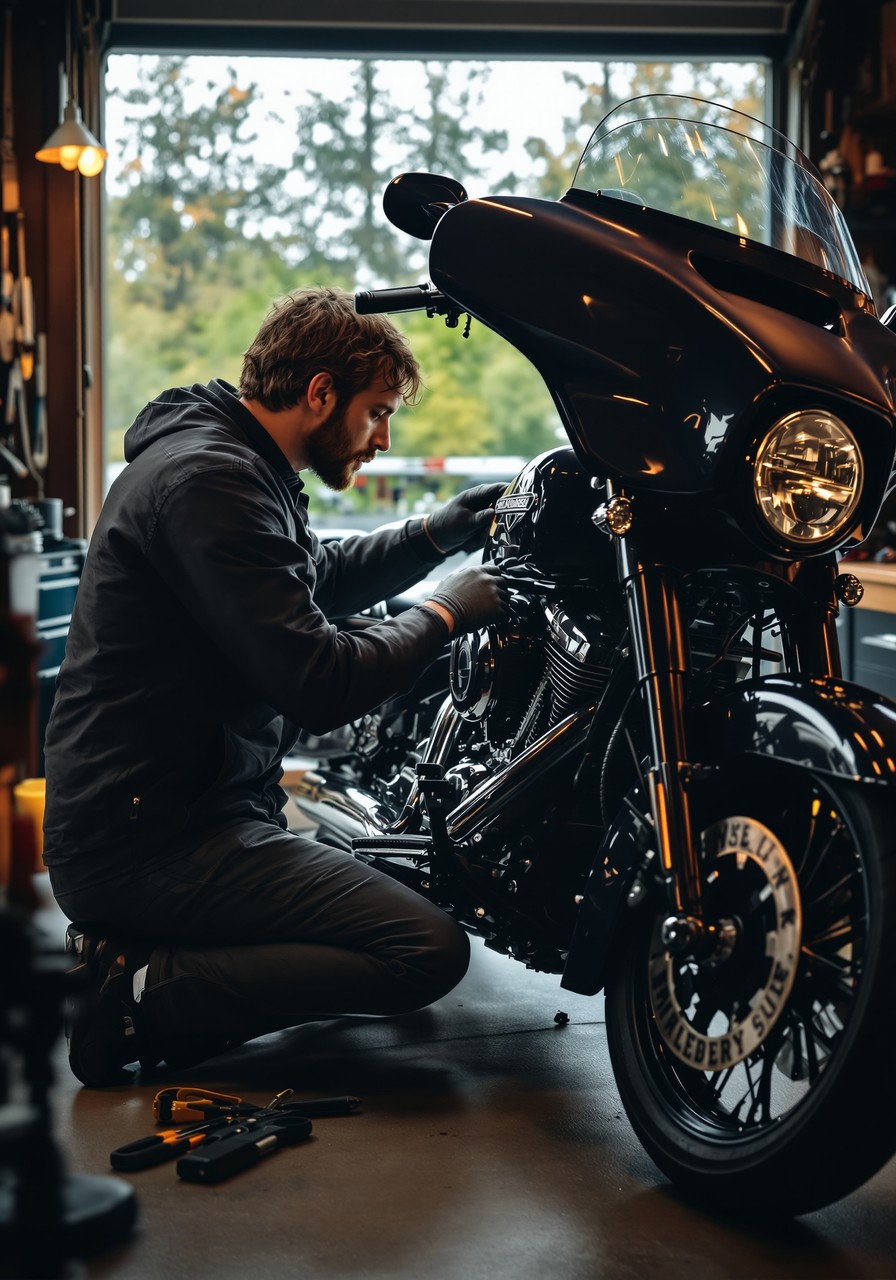
Gear & New Iron
Eyeing new iron this season? Ask how the bike does in the rain: tire clearance, ABS, and a comfy riding triangle beat headline horsepower here. #RideNationOR #NewIron #PNWMoto
Safety & OR Law
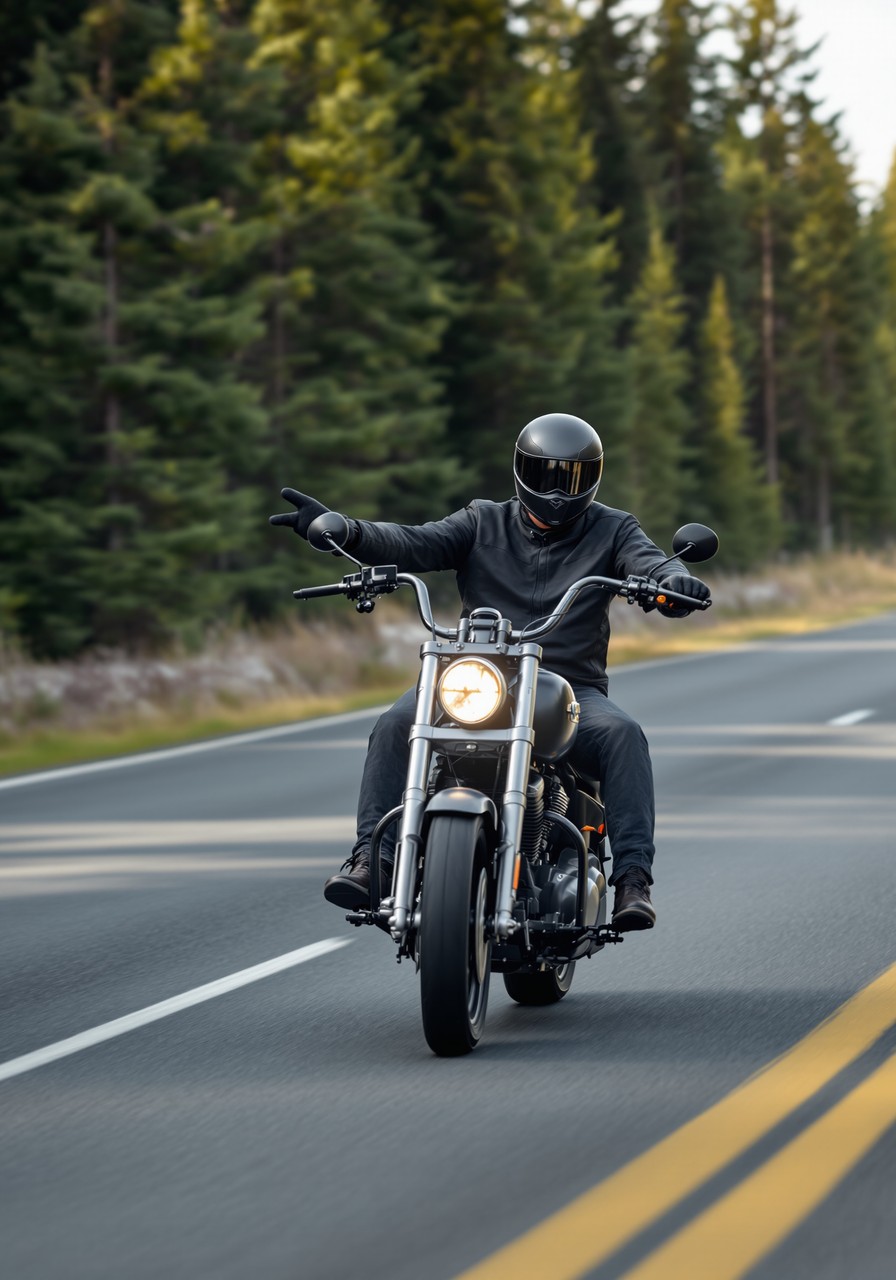
See and be seen is not a slogan, it is a survival habit. Ride in the part of the lane where mirrors and windshields actually find you. #RideNationOR #MotorcycleSafety #RiderRights
Engagement
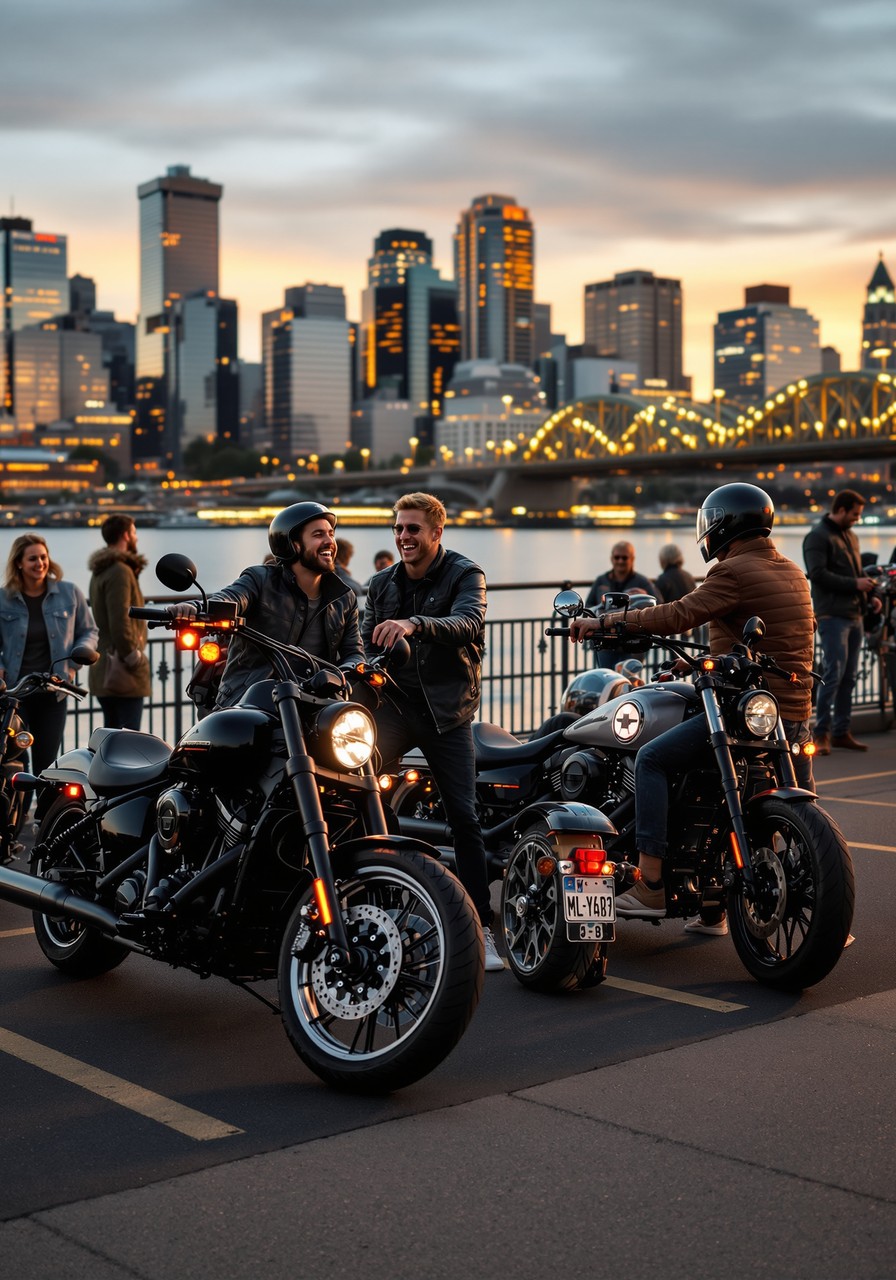
This or that: solo ride to clear your head or full crew rolling deep. Which mood are you in today? #RideNationOR #RideOrDie #PNWMoto
Giveaway & Countdown
The countdown does not slow down. Twenty grand is still up for grabs, PNW. #RideNationOR #20kGiveaway #PNWMoto
Local OR & Rides
First dry Saturday in February and half the city's bikes come out of hibernation. Ride like the cages forgot we exist, because they did. #RideNationOR #PortlandRiders #OregonRiders
Gear & New Iron
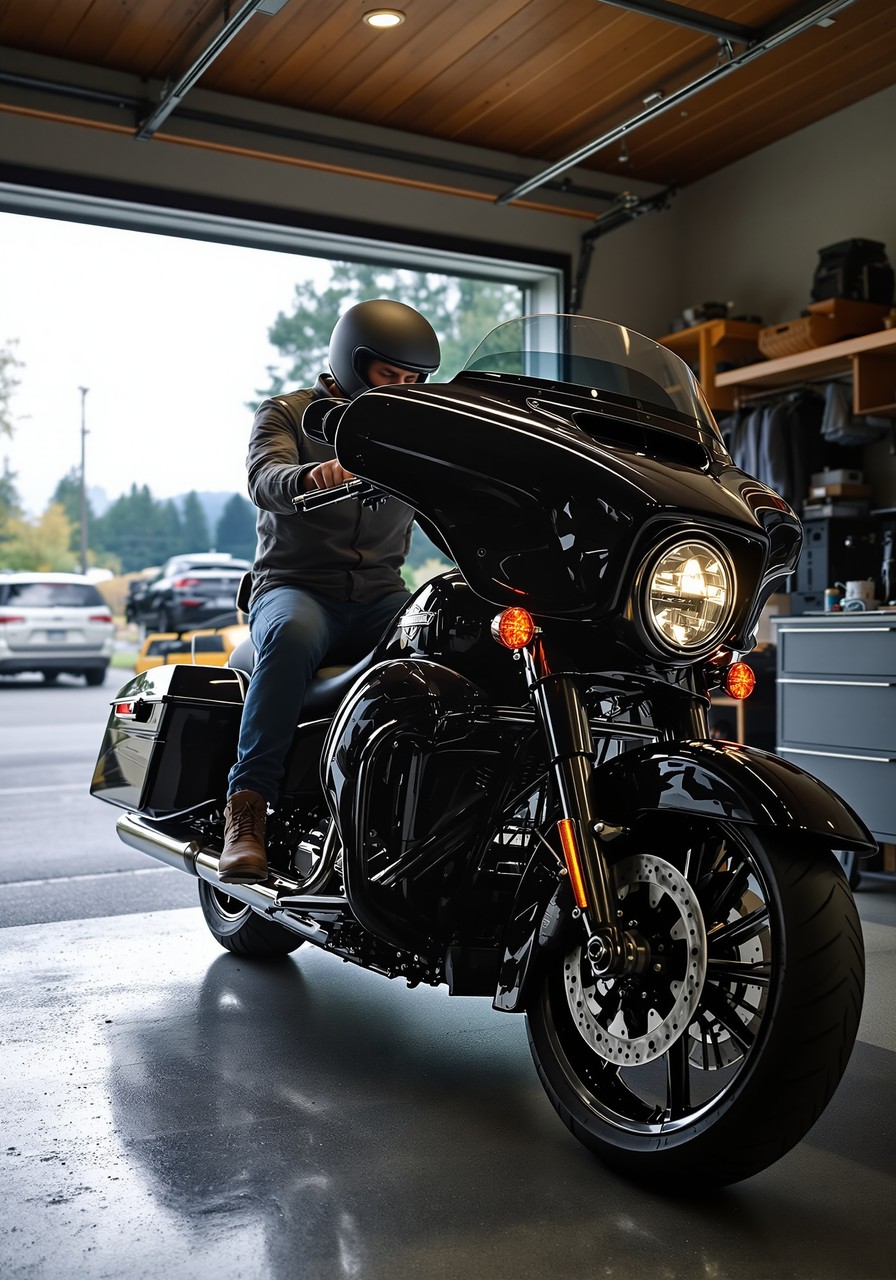
The new adventure and touring bikes ship with heated grips and cornering ABS stock. That is PNW-ready straight off the floor. #RideNationOR #NewIron #GearUp
Safety & OR Law
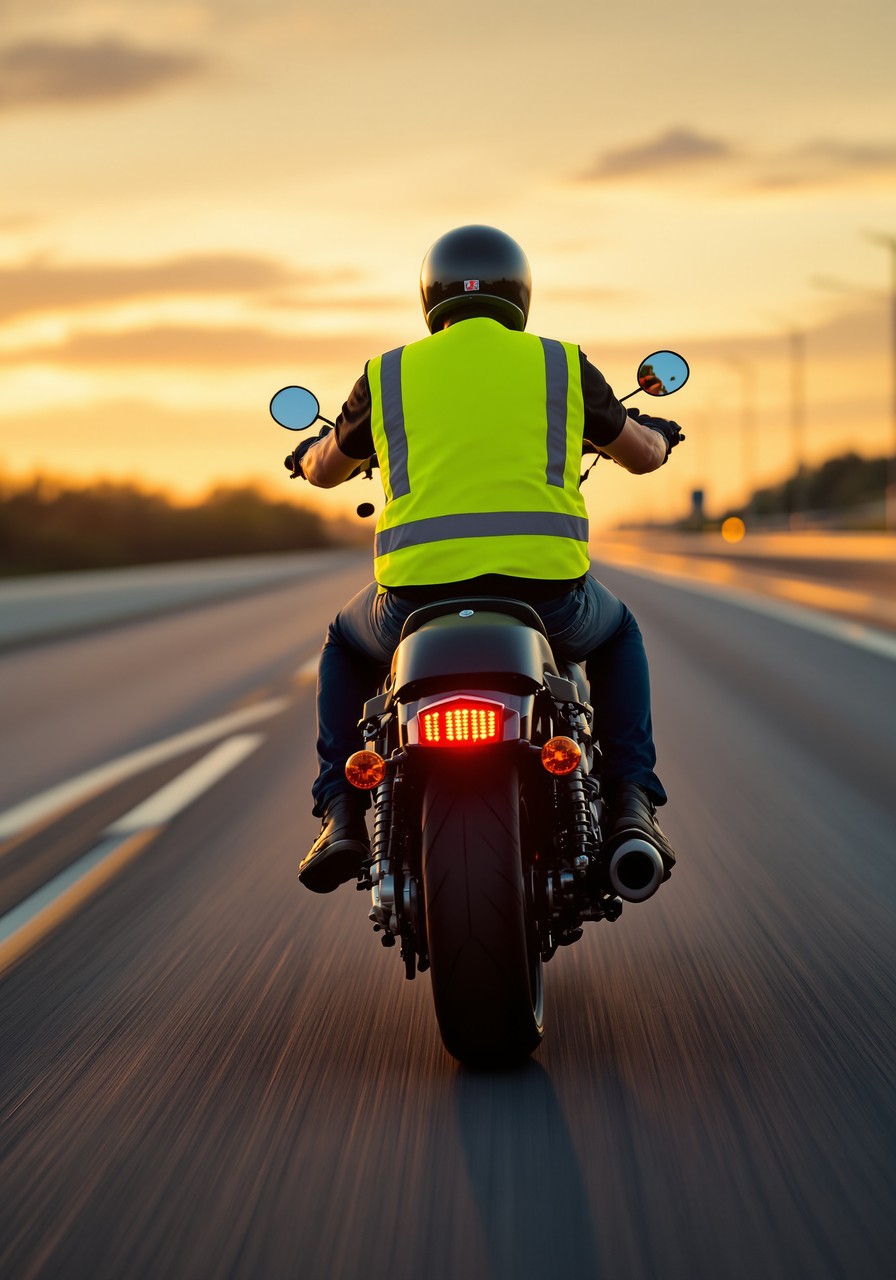
Because PIP is not on your bike, a small crash can mean big out-of-pocket bills fast. Knowing how your coverage stacks up is worth a free case review. #RideNationOR #RiderRights #OregonRiders
Engagement
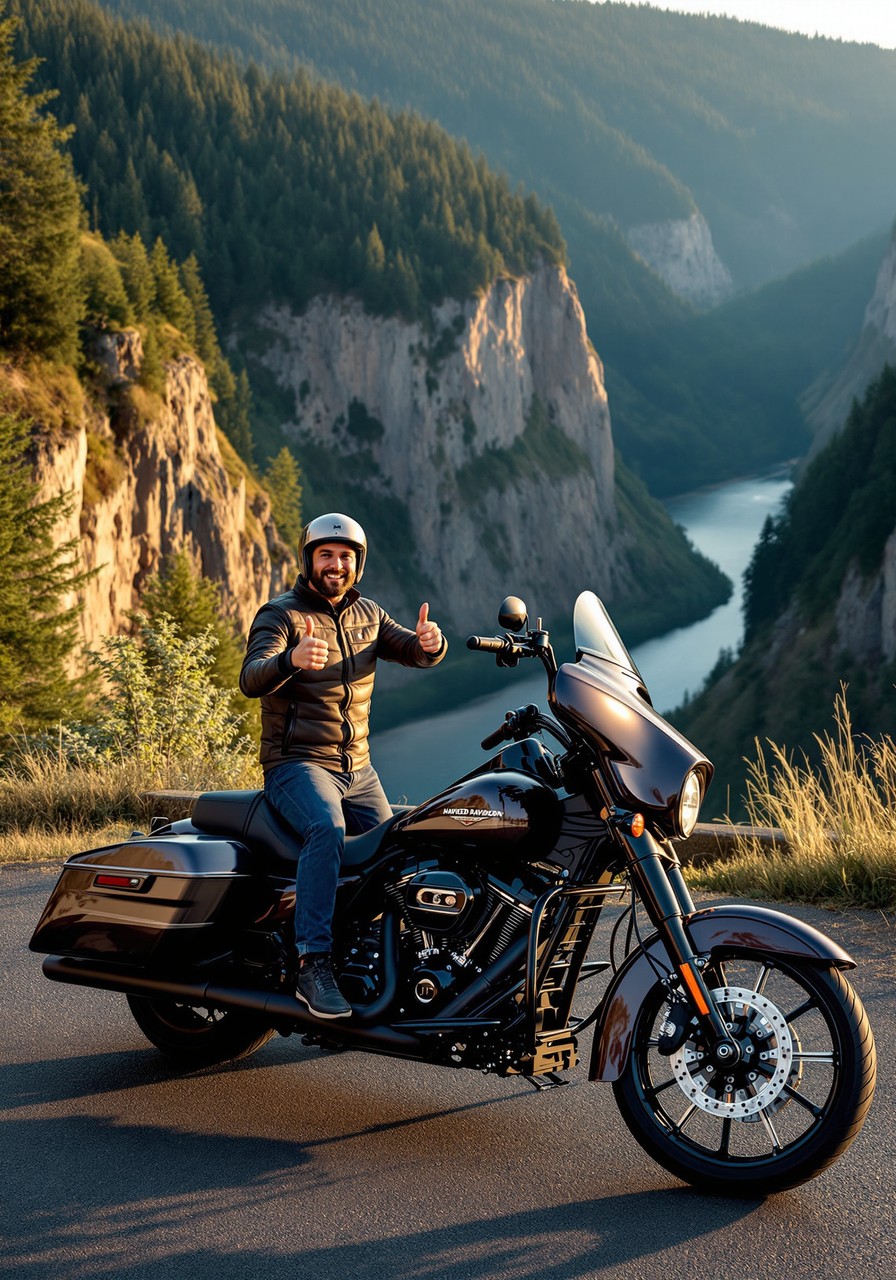
Drop one emoji that sums up your whole riding season so far. We will read every reply. #RideNationOR #PortlandRiders #TwoWheels
Giveaway & Countdown
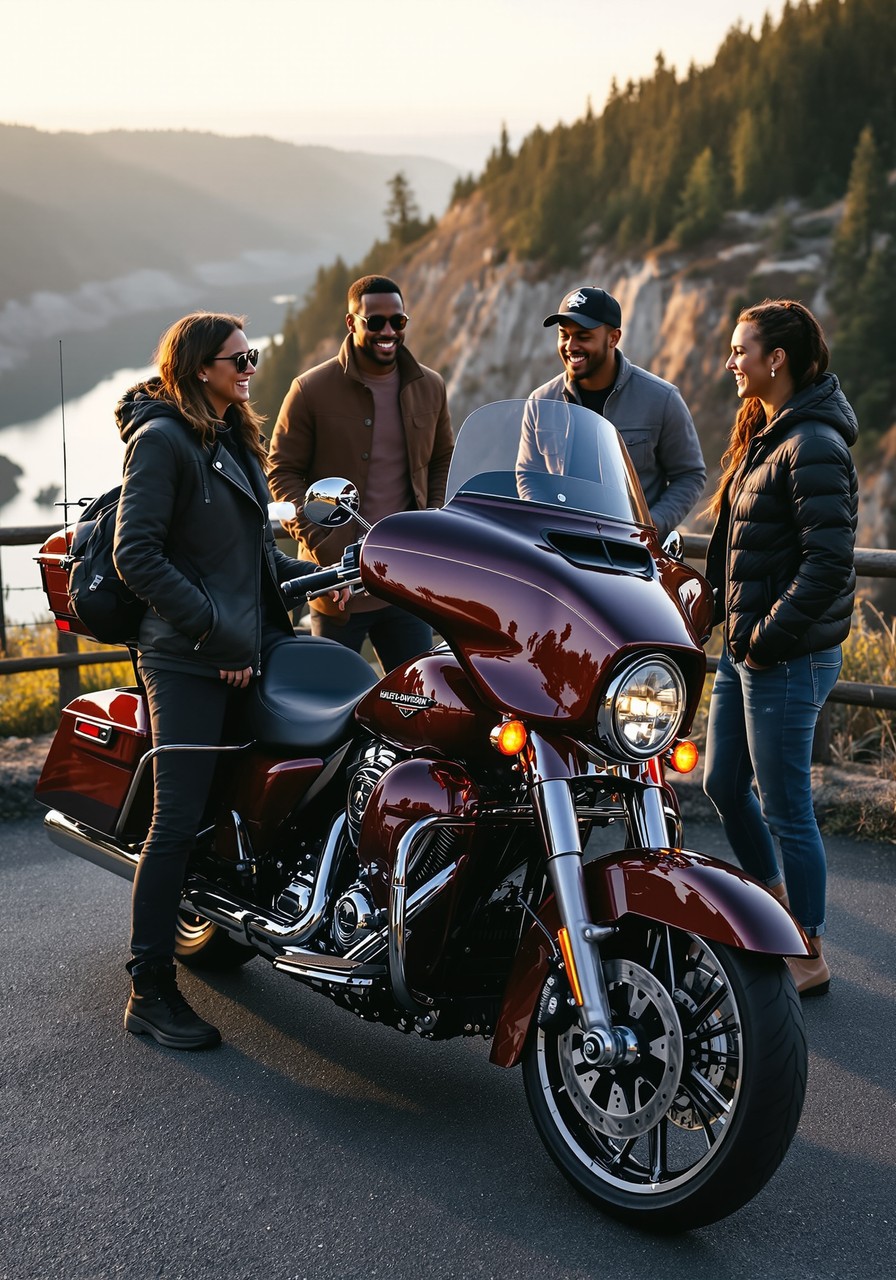
Tag a buddy, share the post, keep the momentum. This is what Ride Nation is about. #RideNationOR #BikersWin #PortlandRiders
Local OR & Rides
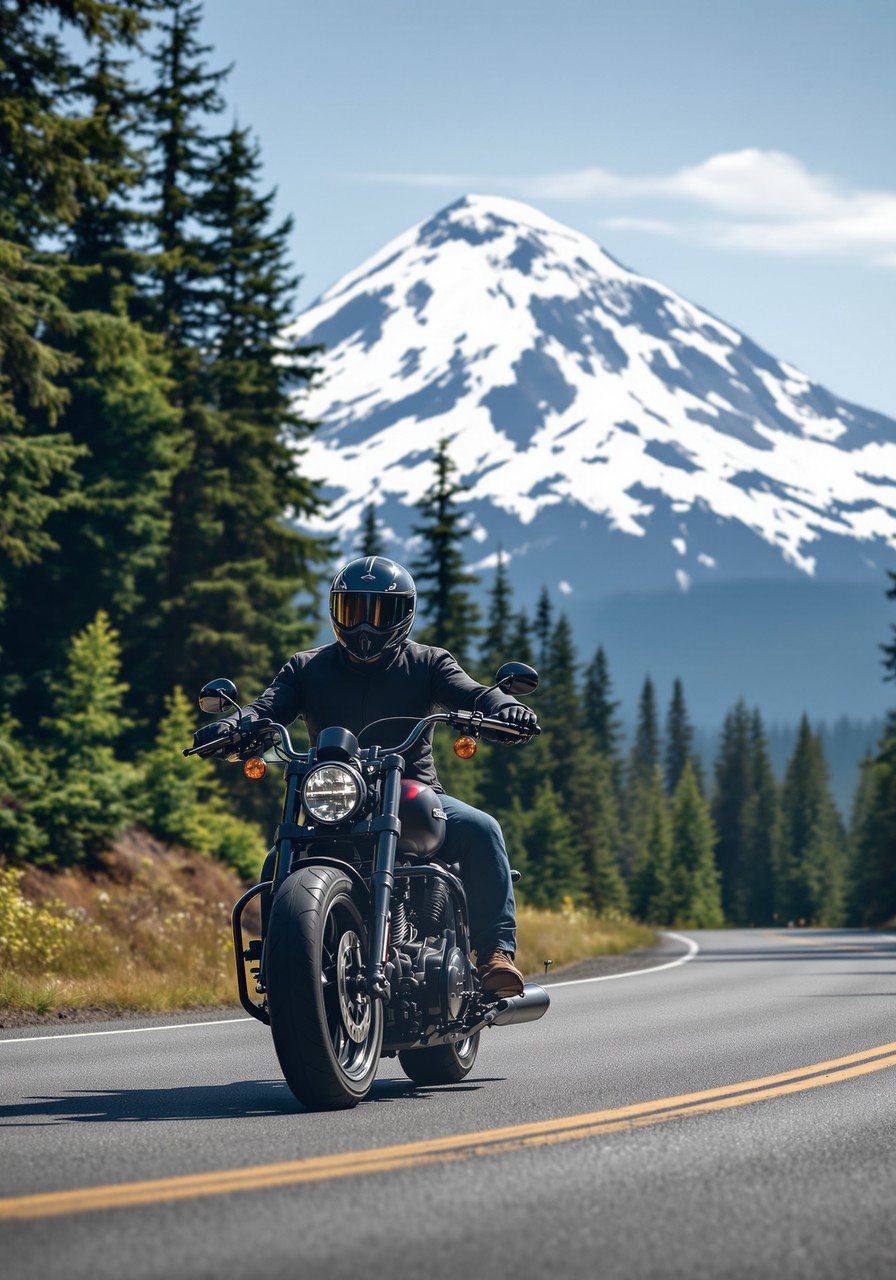
Metal-grate bridge decks downtown feel like glass in the rain. Relax on the bars and let the bike track across. #RideNationOR #PortlandRiders
Gear & New Iron
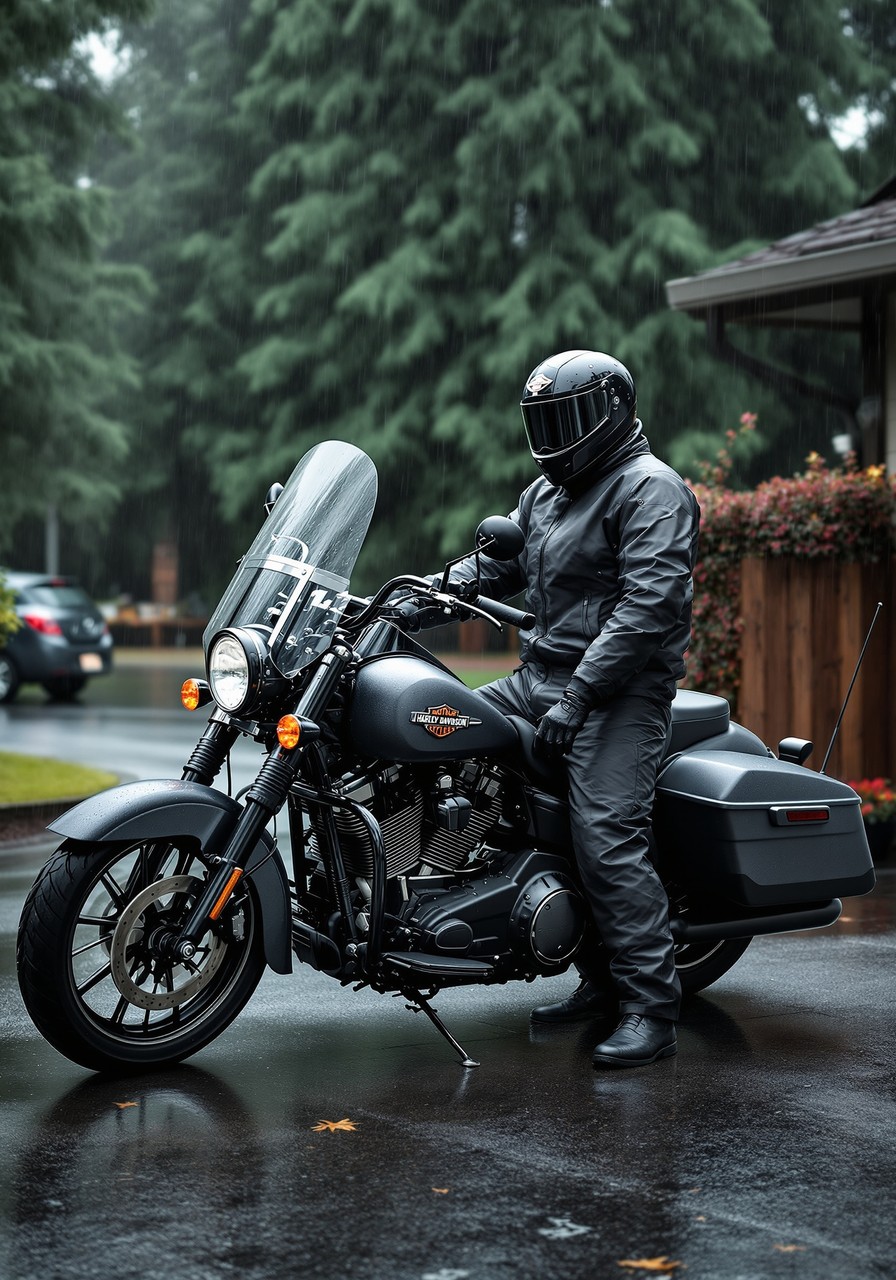
Test riding a new model? Book it on a wet day if you can. That is how you actually ride it around Portland. #RideNationOR #NewIron #RiderTips
Safety & OR Law
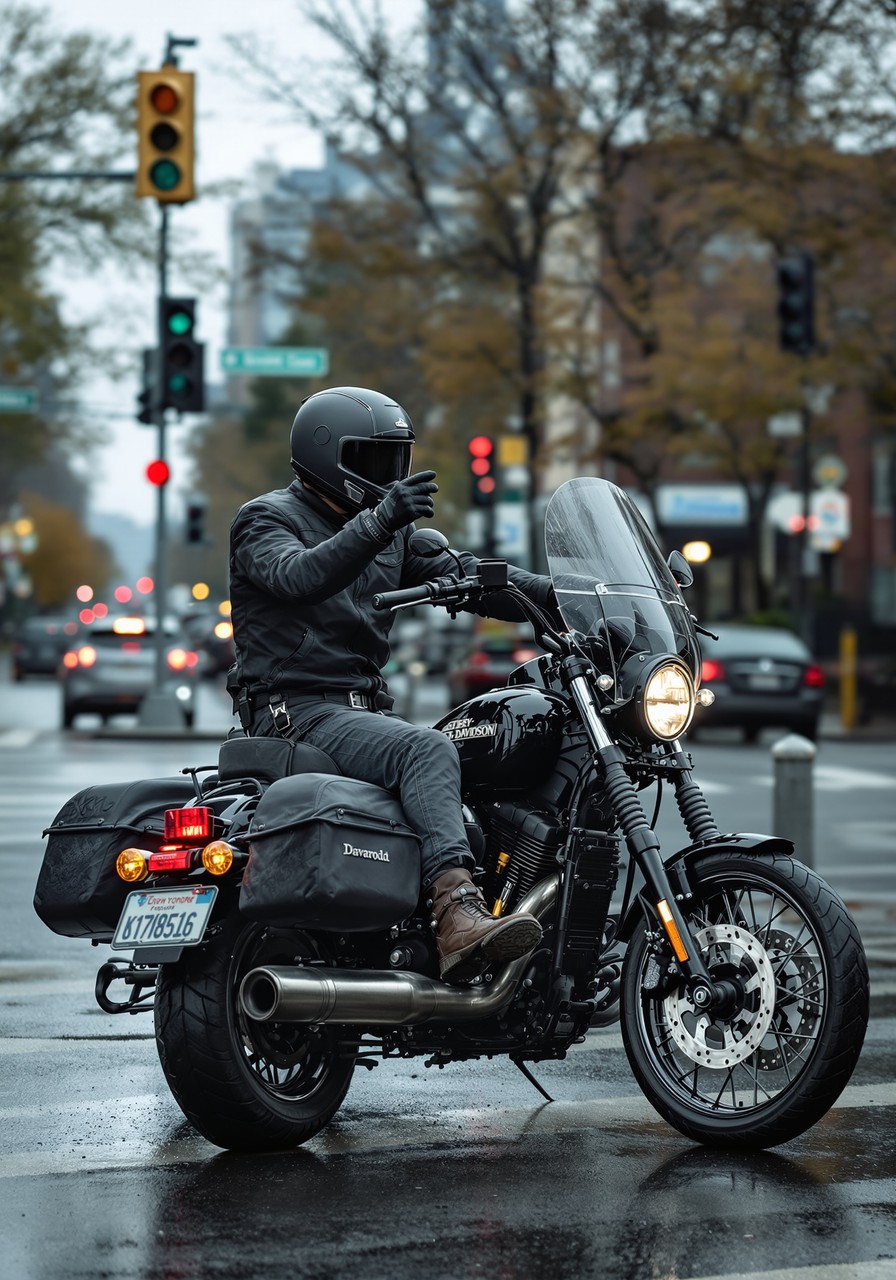
Hit by an uninsured or hit-and-run driver? Your UM coverage can step in where theirs never existed. A free case review tells you what you are owed. #RideNationOR #KnowYourRights #PortlandRiders
Engagement
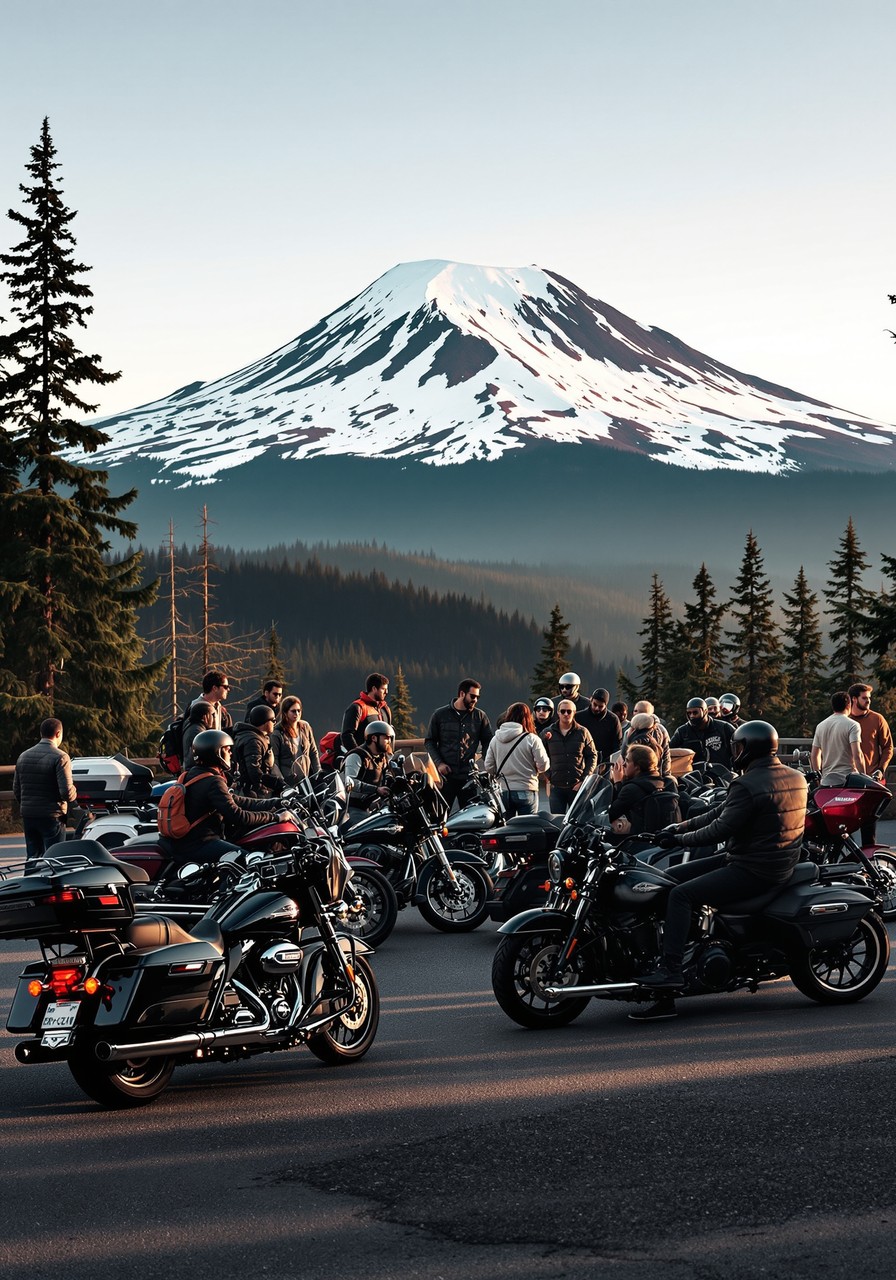
Poll: your rain-day ritual is (a) YouTube ride vids, (b) polishing chrome, (c) map-nerding new routes. Pick one. #RideNationOR #PNWMoto #OregonRiders
Giveaway & Countdown
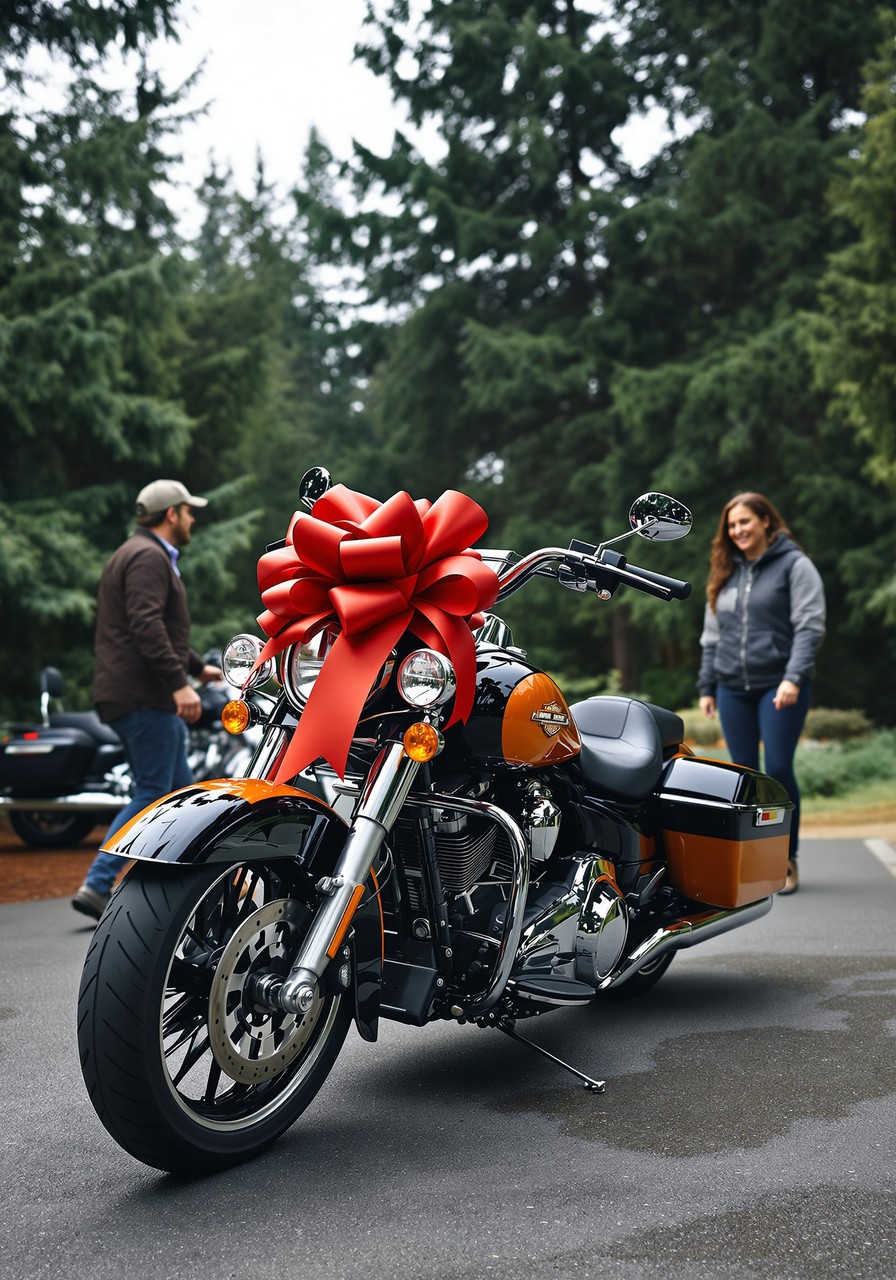
Big things happening in the PNW moto family. Twenty thousand reasons to stay tuned. #RideNationOR #MotorcycleGiveaway #OregonRiders
Local OR & Rides
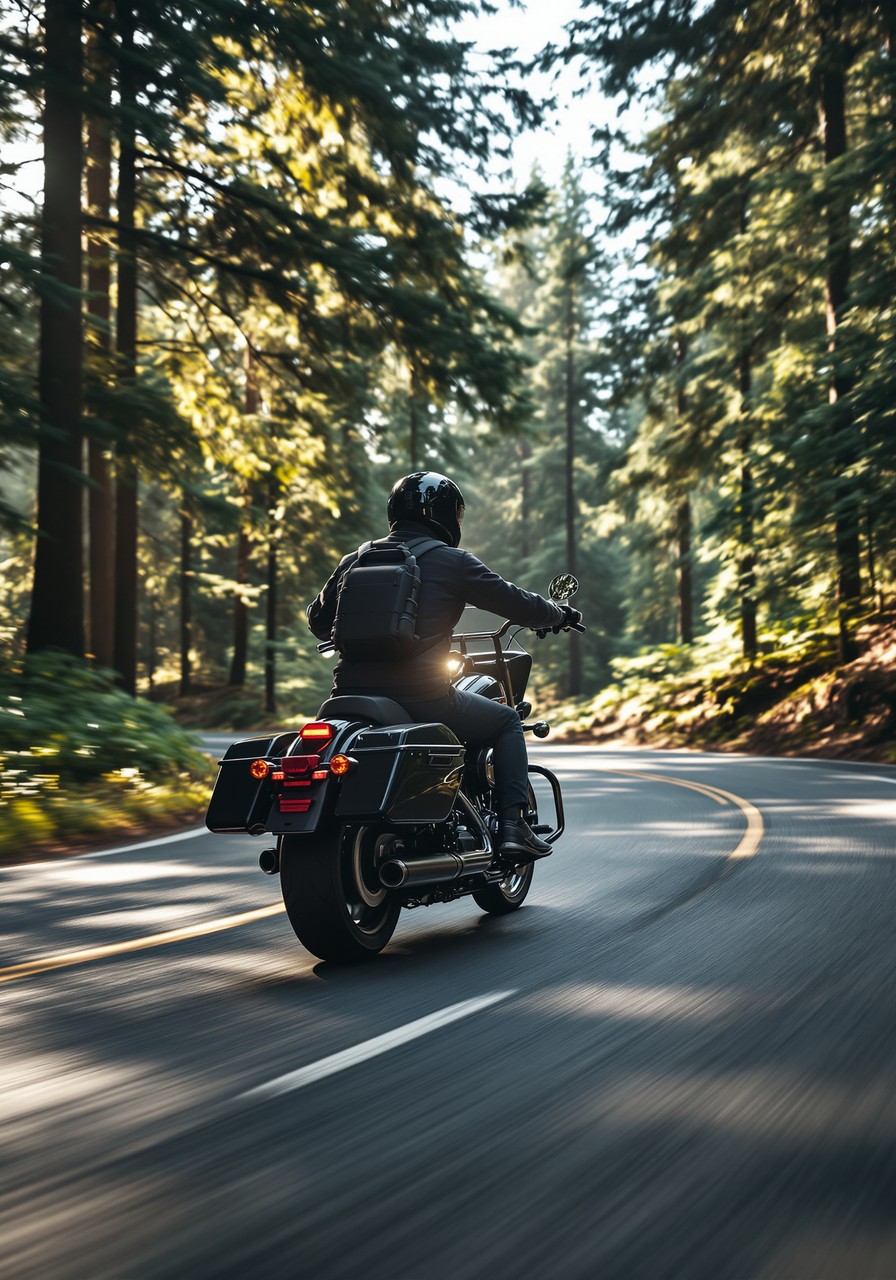
Lolo Pass Road out past Zigzag turns to gravel and shade fast. Know where the pavement ends before you are in it. #RideNationOR #MountHood #MotorcycleRoads
Gear & New Iron
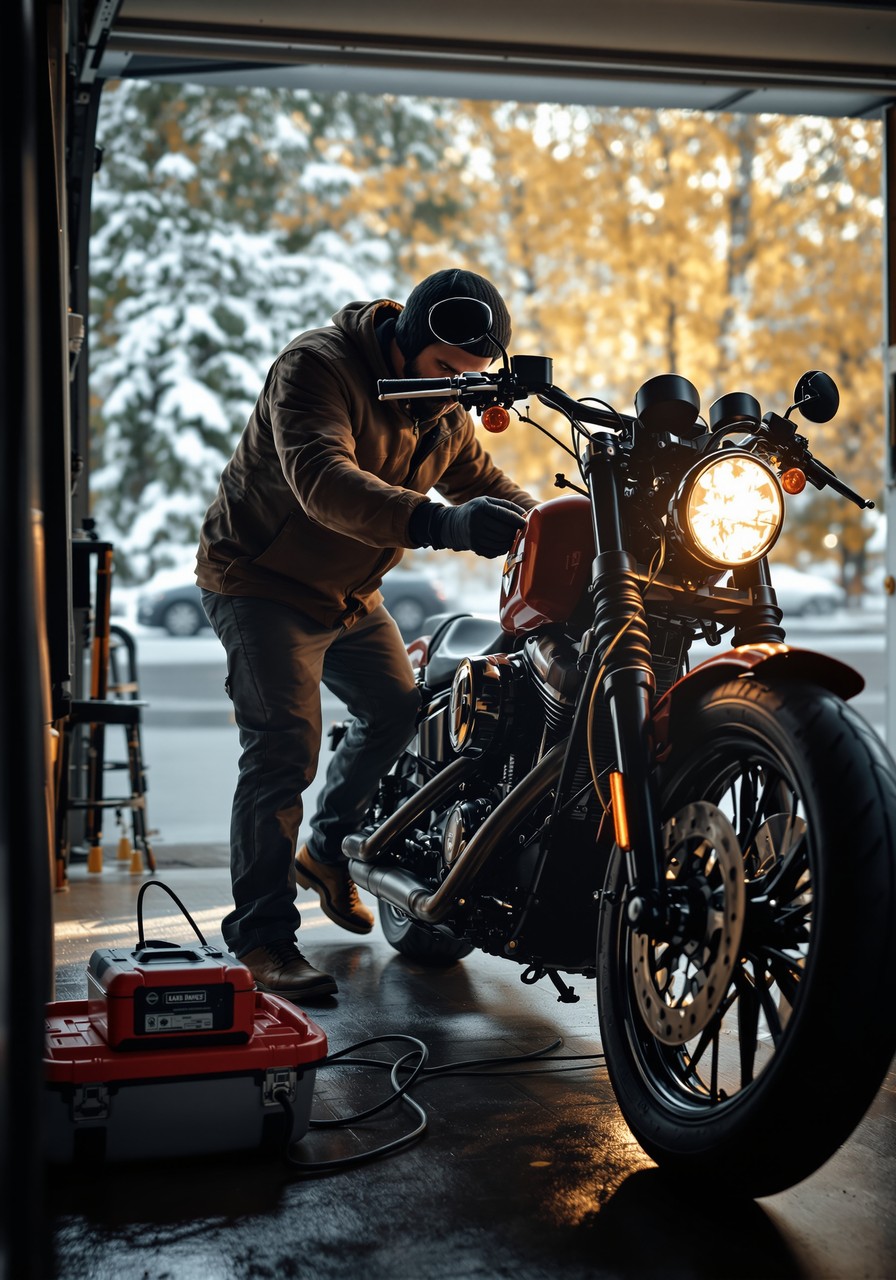
New bike, old habits: re-torque, check tire pressure, and set your levers before the first real ride. Fresh off the lot is not dialed in. #RideNationOR #NewIron #MotorcycleMaintenance
Safety & OR Law
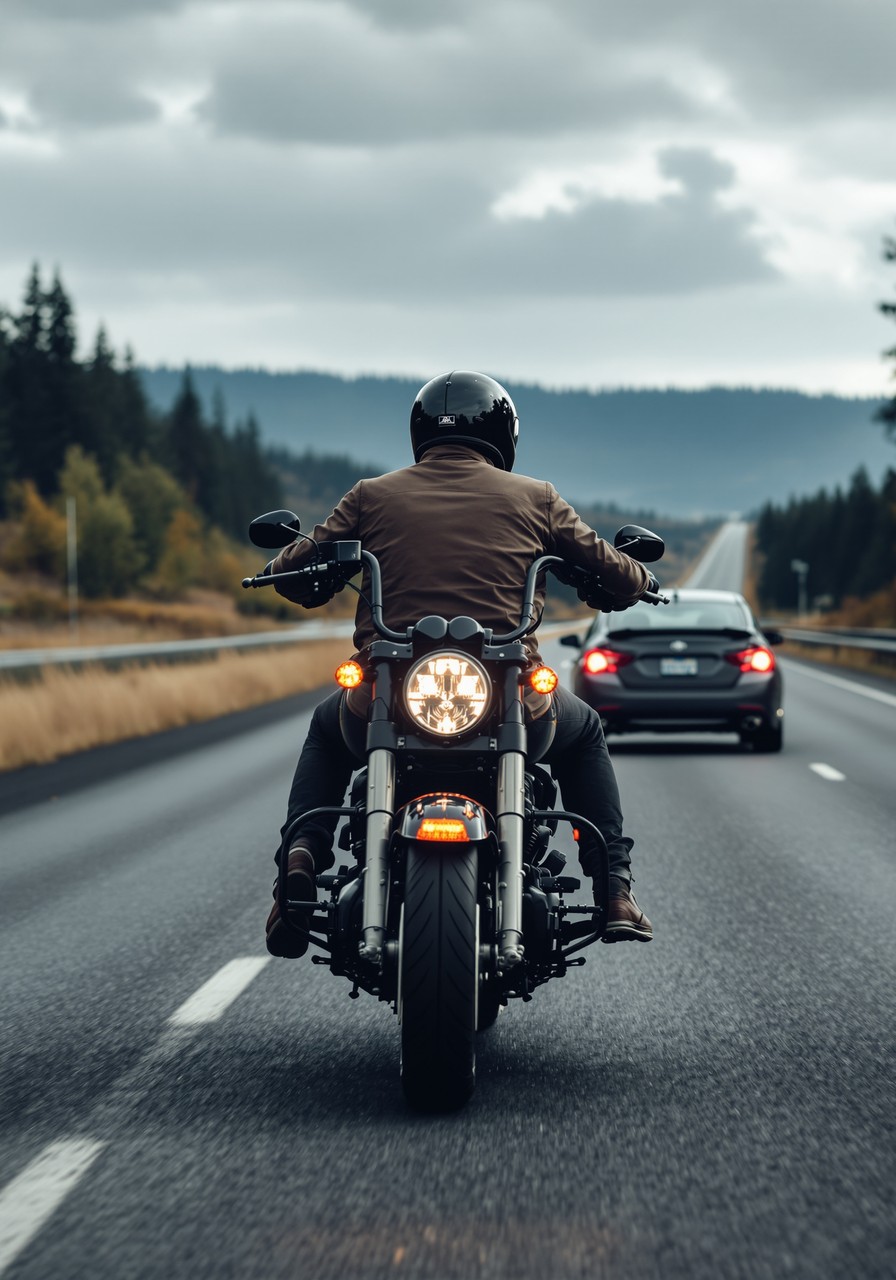
Never give a recorded statement to the other driver's insurer before you understand your rights. A free case review levels the field first. #RideNationOR #RiderRights #KnowYourRights
Engagement
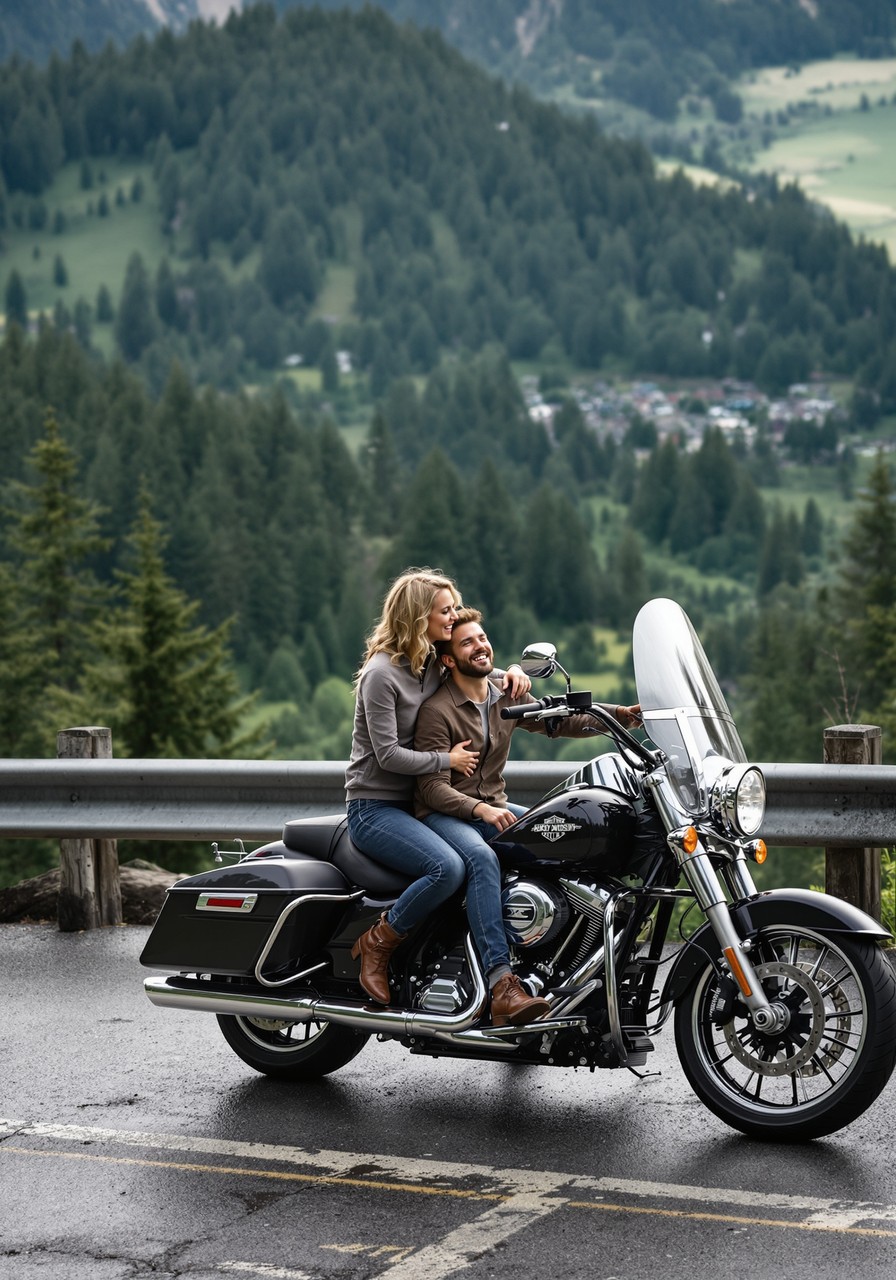
Tag your ride-or-die and finish this: the best mile we ever rode together was ______. #RideNationOR #RideOrDie #PacificNorthwest
Giveaway & Countdown
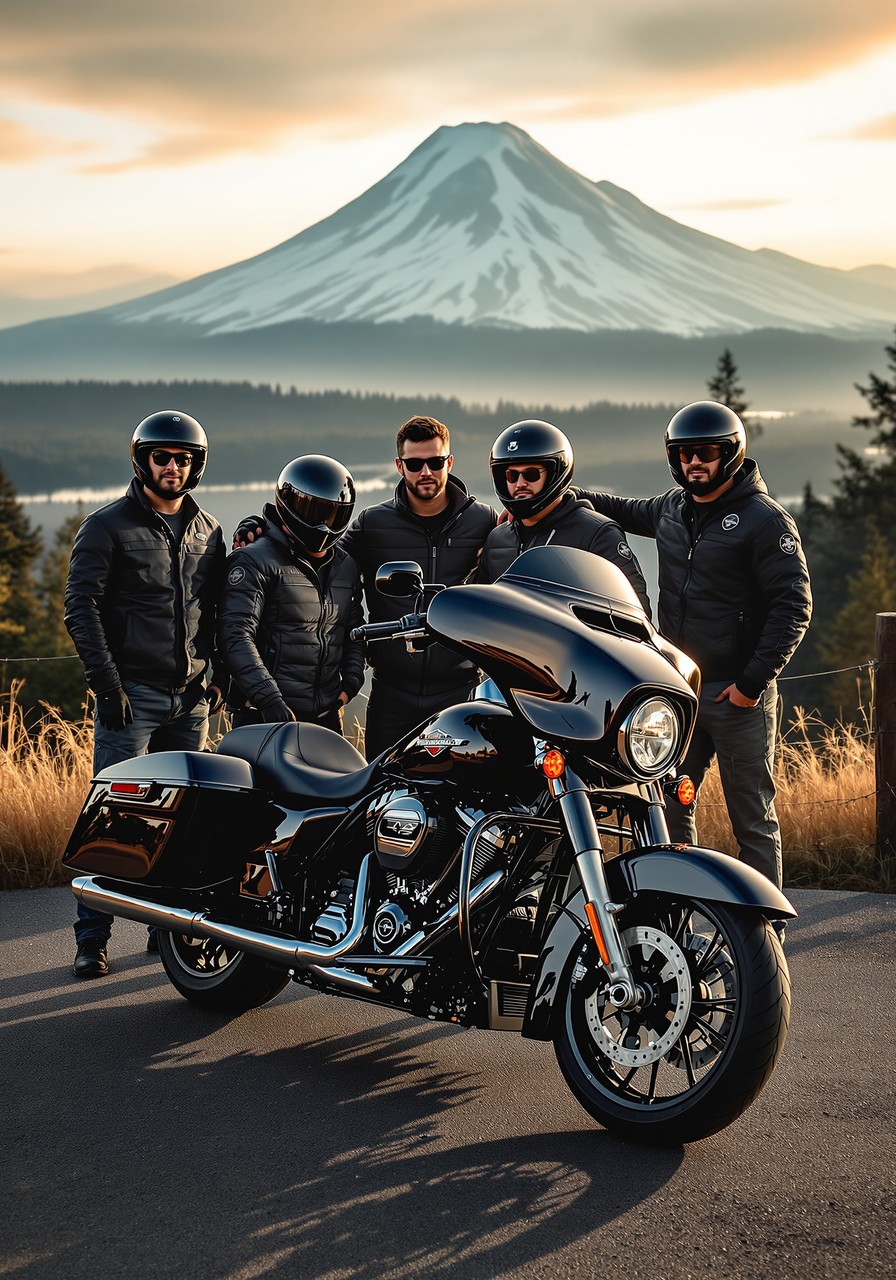
The energy is building and so is the crew. Who is ready for a $20K winner? #RideNationOR #BikersWin #20kGiveaway
Local OR & Rides
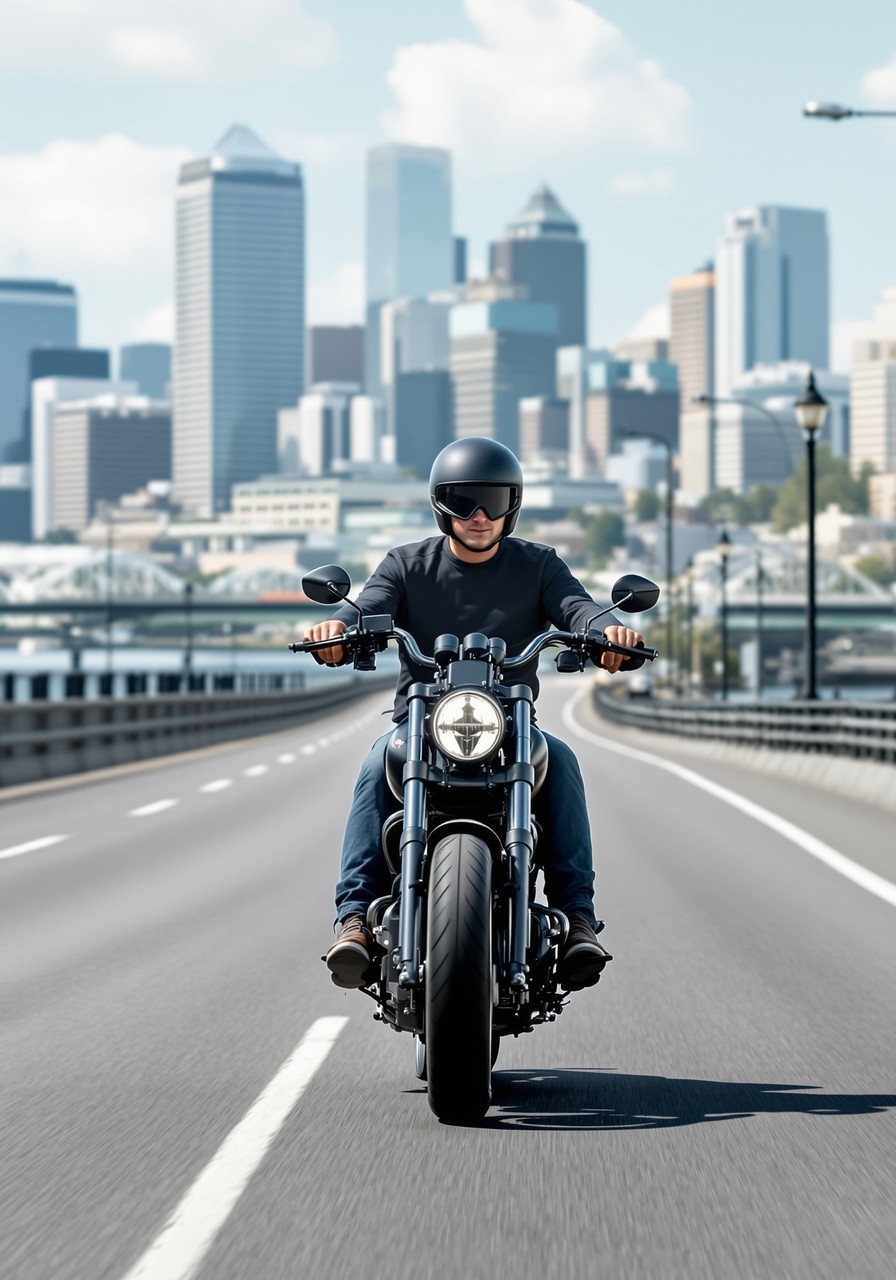
Astoria at the mouth of the Columbia is a long coast day, but the bridge and the river views pay it back. #RideNationOR #OregonCoast #PacificNorthwest
Gear & New Iron
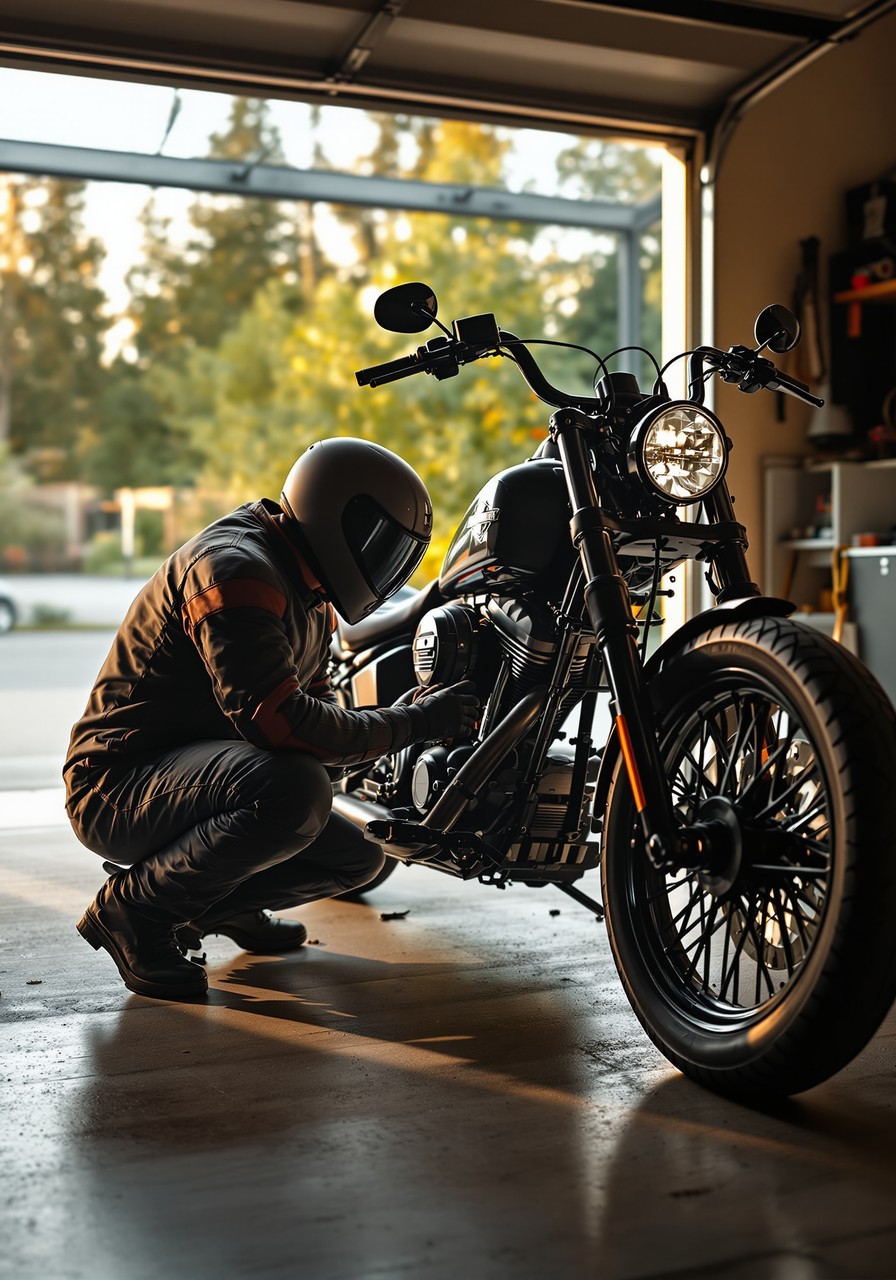
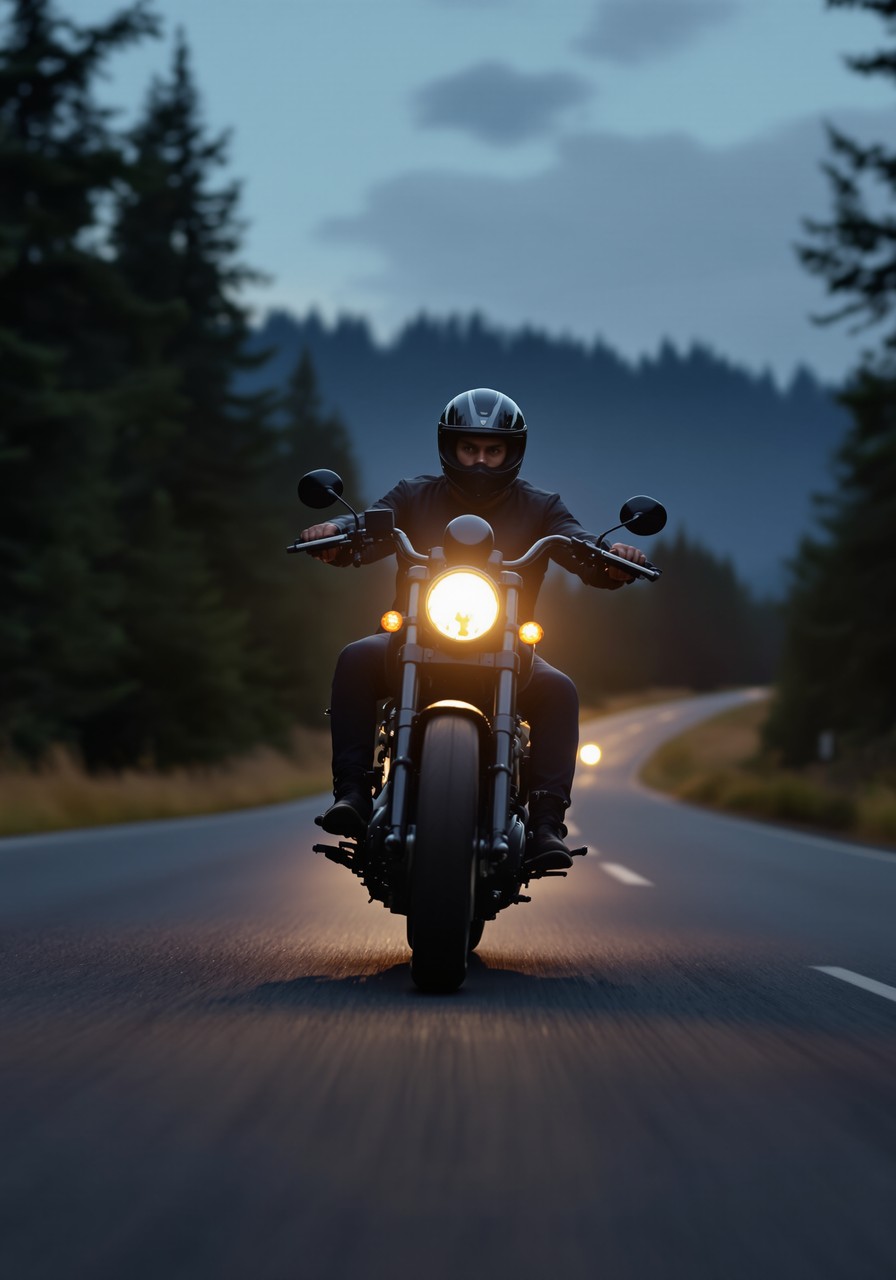
Whatever you ride, gear up like the road is wet, because in Portland it usually is. Dry rider, sharp rider, safe rider. #RideNationOR #ATGATT #PNWMoto
Safety & OR Law
Hi-viz and rain gear do more than keep you dry, they keep you visible through Portland's gray months. Gear up, stay seen, ride another day. #RideNationOR #ATGATT #MotorcycleSafety